
A gummy smile is when a lot of gum shows above your upper teeth as you smile. For some patients, it makes no difference, and for others, it affects how they feel about their smile. Either view is fine, and it is your choice whether to do anything about it.
This guide explains what a gummy smile is, what can cause it, how a dentist works out which cause applies, and the treatment options for a gummy smile, from reshaping the gum to other approaches. It covers what surgery involves and what treatment can and cannot do.
This article is general information only. It is not a recommendation. What suits you depends on an examination of your teeth, gums and bone.
What is a Gummy Smile?
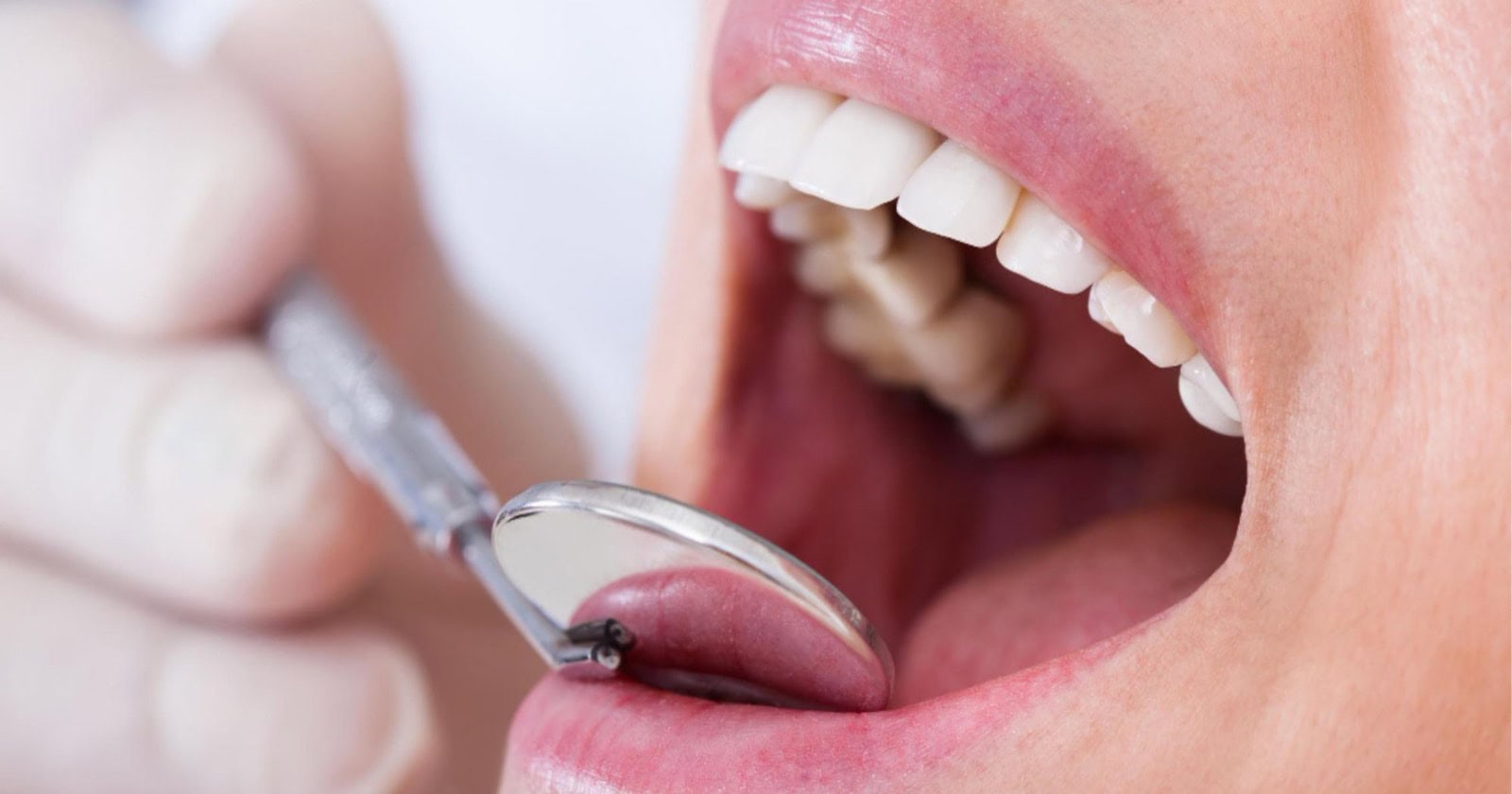
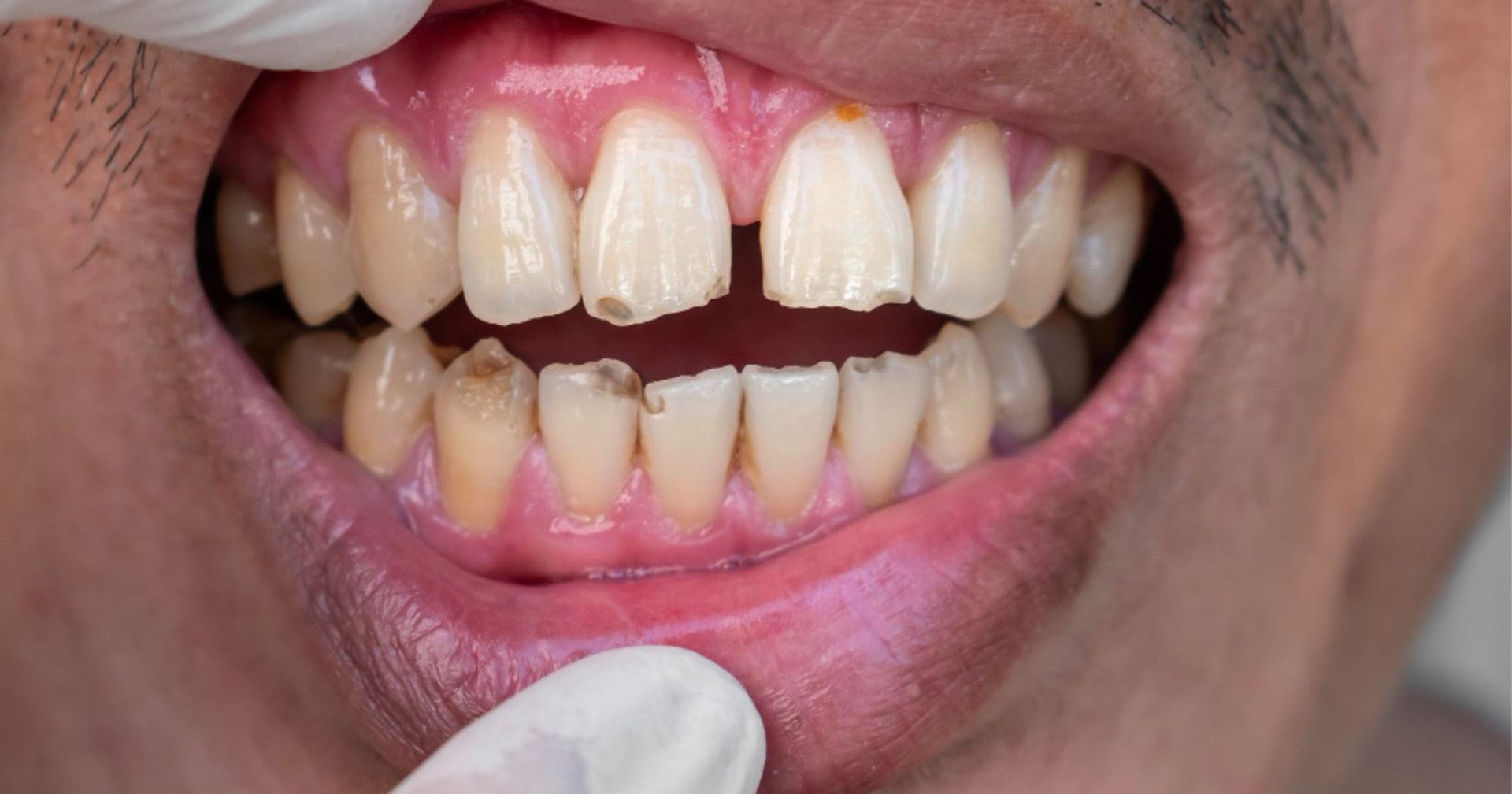
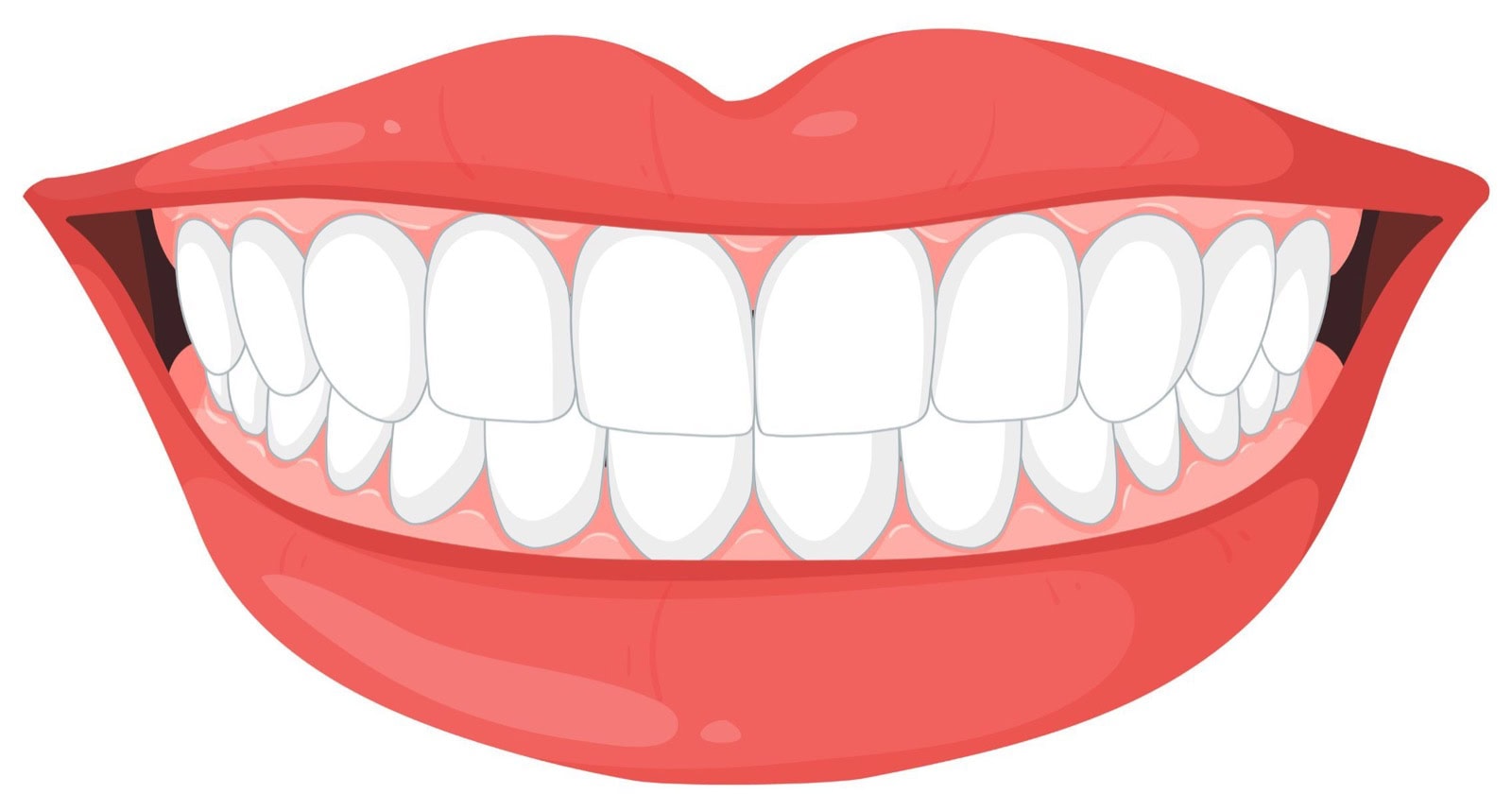
A small amount of gum showing when you smile is normal. A gummy smile means a larger band of gum shows, which can make the teeth look short.
There is no single measure of when it counts as gummy. It depends on how you feel about your smile.
What Causes a Gummy Smile?
There is often more than one cause, and working out which matters, because it decides what treatment will help.
Gum factors
The gum may sit lower over the teeth, covering more of the crown than usual. This can be natural, because some patients’ teeth have not fully emerged or the gum has stayed high. Gums can also be swollen or overgrown from inflammation, which is a gum health issue. Our article on the stages of gum disease and treatment explains how gum disease affects the gums.
Lip factors
An upper lip that is short, or that lifts high when you smile, can show more gum, even when the gum itself is normal.
Jaw and bone factors
A longer upper jaw can make more gum show. In some patients, the bone sits close to the crown of the tooth, which leaves less room for the gum, so it covers more of the tooth.
Tooth factors
Teeth that are short, small or worn can look as though they are sitting in a lot of gum, even when the gum is where it should be.
Health factors
Some health conditions, hormonal changes such as pregnancy, and some prescribed products can cause the gums to enlarge. If you take any, ask your doctor, and don’t change or stop anything without their advice.
Genetics play a large part, and a gummy smile often runs in families.
How a Dentist Works Out the Cause
A gummy smile can’t be assessed from a photo. Your dentist will usually:
- Look at your smile, including how far your lip lifts.
- Check the health of your gums and whether inflammation is part of the picture.
- Measure the gum, the teeth and, where appropriate, the bone, which may involve X-rays.
- Ask about your health and any products you take.
- Talk about what you would like to change.
This tells your dentist whether the gum, the teeth, the lip or the jaw is the main cause, and which options may be worth discussing.
Gummy Smile Treatment: The Options
Treatment depends on the cause. Your dentist will explain what is available at the practice, and some options are provided by other practitioners. In general, options include:
- Treating the gums first. If inflammation or gum disease is involved, that needs treatment before anything else.
- Reshaping the gum. When the gum itself is the cause, a procedure sometimes called a gum lift or gum contouring reshapes the gum edge to show more of the tooth.
- Reshaping the bone as well. If the bone sits close to the crown, the bone may need adjusting too. This is a more involved surgical procedure.
- Restorative treatment. If teeth are short or worn, treatments such as porcelain veneers or crowns can change tooth proportions, so the gum looks less prominent.
- Lip repositioning. A surgical procedure that limits how far the upper lip lifts, considered when the lip is the main cause.
- Orthodontic or jaw assessment. In more significant cases linked to the position of the jaw, an assessment by another practitioner may be suggested.
- Leaving it as it is. For many patients, that is a perfectly good choice.
Our cosmetic gum lift page explains what that treatment involves at Prahran Family Dental.
Gummy Smile Surgery: What to Know
Gummy smile surgery covers several procedures, and what is involved depends on which is recommended. In general:
- Local anaesthetic is used to manage discomfort. Individual experiences vary.
- The treated area may be sore, swollen or tender for a time afterwards.
- Healing varies between patients, and your dentist will give you aftercare advice and arrange a review.
- A procedure on the gum is usually less involved than one on the bone or the lip.
As with any surgery, your dentist should explain the risks and what to expect before you decide.
What Treatment Can and Can’t Do
Treatment can help improve the balance of your smile. It cannot guarantee a particular look, and it may not fully change a smile when the main cause is the lip or the jaw.
Things to be aware of:
- Gum or bone that has been removed does not grow back.
- The gum can sometimes shift after healing so that the final result can differ from the plan.
- Sensitivity can occur if more of the tooth or root is exposed.
- Bleeding, swelling and infection are possible after any surgery.
- Further treatment may be needed if the result is not as planned.
Results vary between patients.
Do You Need To Treat a Gummy Smile?
A gummy smile is usually a cosmetic matter, not a health problem. The exception is when the gum is swollen or inflamed, which should be looked at for health reasons.
If it doesn’t bother you, there is no need to do anything. If it does, an assessment can tell you what is causing it and what, if anything, may help.
Gummy Smile FAQs
Can a gummy smile be fixed without surgery?
Sometimes. If short or worn teeth are the main cause, restorative treatment can change how the teeth and gum balance without gum surgery. If the cause is the gum, bone or lip, surgery is usually involved. An assessment shows which applies.
Is a gummy smile unhealthy?
Usually not. It is more often a matter of how the gum, lip, jaw and teeth are shaped. If the gum is swollen, bleeds or feels sore, have it checked, because that can be a gum health problem.
Does a gum lift hurt?
Local anaesthetic is used to manage discomfort during the procedure. Individual experiences vary. Some tenderness and swelling afterwards is common, and your dentist will advise you on aftercare.
Can the gum grow back after reshaping?
Gum tissue that has been removed does not usually grow back, though the gum can sometimes move after healing. Your dentist can explain what to expect in your case.
Talk to Us About Your Smile in Prahran
Wondering what is behind your gummy smile, or whether anything could help? The next step is an examination.
At Prahran Family Dental, your dentist can look at your gums, teeth and smile, explain what may be causing the look and talk through your options before you decide on anything.
Call us on (03) 9533 2288 or contact us online to talk about your smile.
We are at Shop 7, 180 Commercial Road, Prahran, VIC 3181, and we see patients from Prahran, Windsor, South Yarra, Toorak and Armadale.
This article is general information and does not replace advice from a registered dental practitioner. All surgical and dental procedures carry risks. Results vary between patients. Ask your dentist whether treatment is appropriate for you.