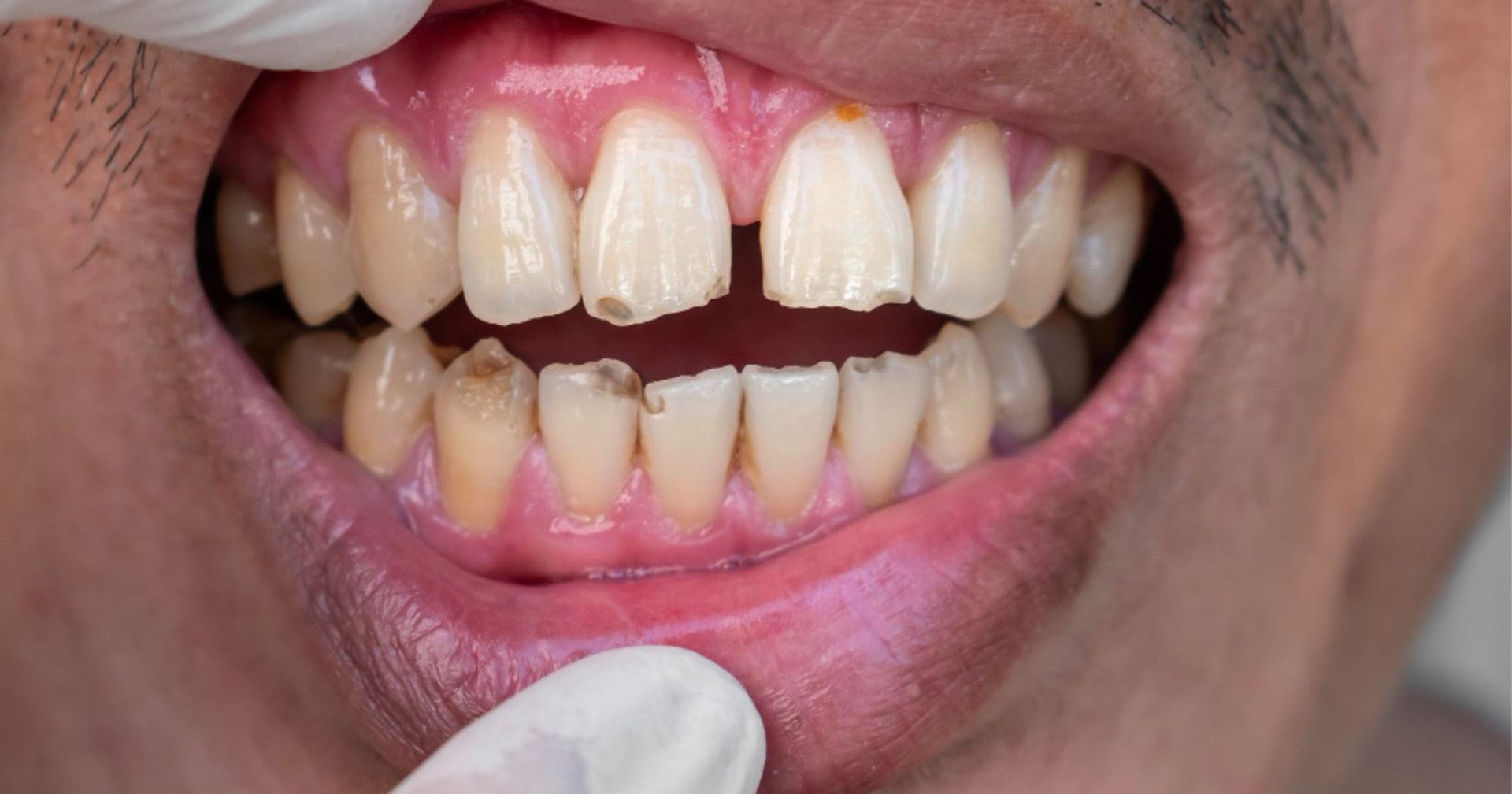

Jaw clicking is common, and when it doesn’t come with pain, it’s often nothing to worry about. Sometimes a clicking jaw is a sign of a problem that’s worth having checked.
This guide explains what causes jaw clicking, what clicking on one side or when eating can mean, and when to see a dentist.
It’s general information, not a diagnosis. Only an examination can show what’s going on.
What Is Jaw Clicking?
You have a jaw joint on each side of your face, in front of your ears, called the temporomandibular joint (TMJ). It connects your jaw to your skull and lets you speak, eat, swallow and make facial expressions.
Jaw clicking or popping is a sound the joint makes when you open or close your mouth. Clicking or popping without pain is common, is considered normal, and doesn’t need treatment.
Why Is My Jaw Clicking? Possible Causes
If you’re asking why your jaw is clicking, there are a few possible reasons:
- An injury to the jaw, head or neck
- Jaw clenching or teeth grinding, which can be linked to stress or anxiety. See our guide to teeth grinding.
- Wear and tear in the joint, such as osteoarthritis
- Other joint conditions, such as rheumatoid arthritis
In many cases, the exact cause isn’t clear, and some have clicking without any obvious cause.
Jaw Clicking on One Side
Jaw clicking on one side can happen, and on its own it doesn’t tell you what’s causing it. It’s worth having it checked if it’s new, painful, or comes with limited movement or locking.
Jaw Clicking When Eating
Your jaw joints move every time you chew, so clicking or grating when you eat is one of the most common times you notice it. If it comes with pain when eating, a feeling that your jaw is stuck, or trouble eating or drinking, see a dentist or doctor.
When Jaw Clicking Is Worth Checking
Clicking without pain is usually fine. See a dentist or doctor if you notice:
- Pain in the jaw joint or chewing muscles
- Pain that spreads to your face or neck
- Jaw stiffness
- Limited movement, or the jaw locking
- Ringing in the ears, hearing loss or dizziness
- A change in the way your upper and lower teeth fit together
- Headaches
If symptoms don’t get better after a few weeks, they can become long-term, so it’s worth having them looked at.
Seek urgent care if you also have vision problems, such as double or blurred vision, difficulty eating or drinking, or frequent and severe headaches.
What a Dentist Does at a Jaw Assessment
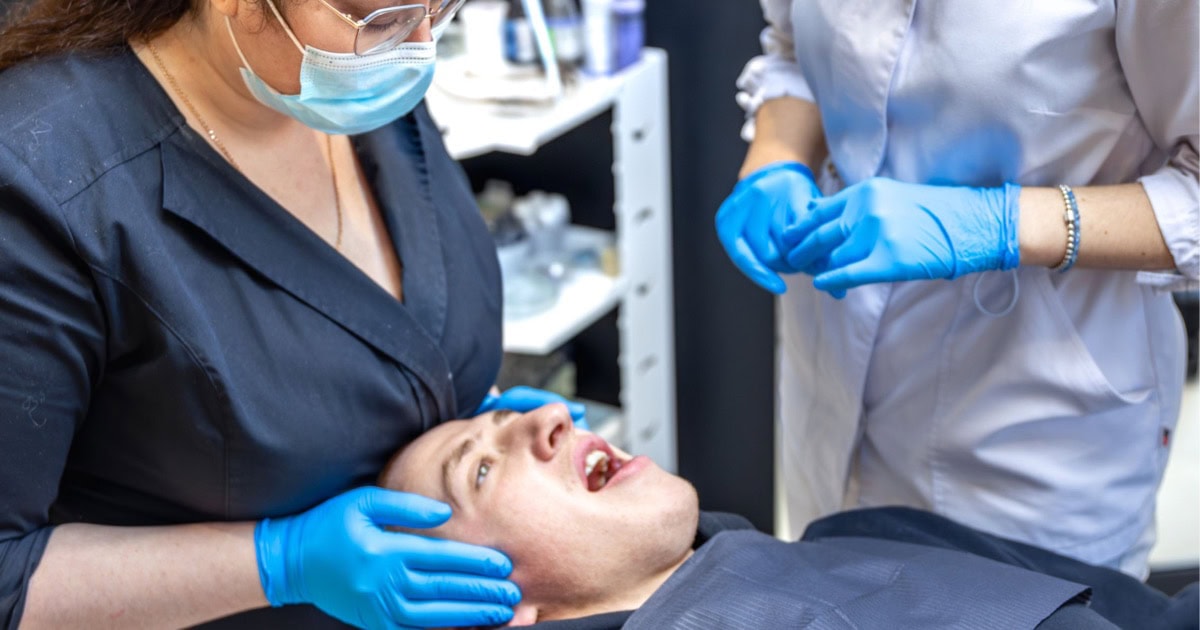
There’s no single standard test, so your dentist looks at the whole picture. This usually includes:
- Asking about your symptoms, when they happen and what makes them better or worse
- Feeling the jaw for tenderness, listening for clicking and checking how it moves
- Checking your teeth for wear that can come from grinding
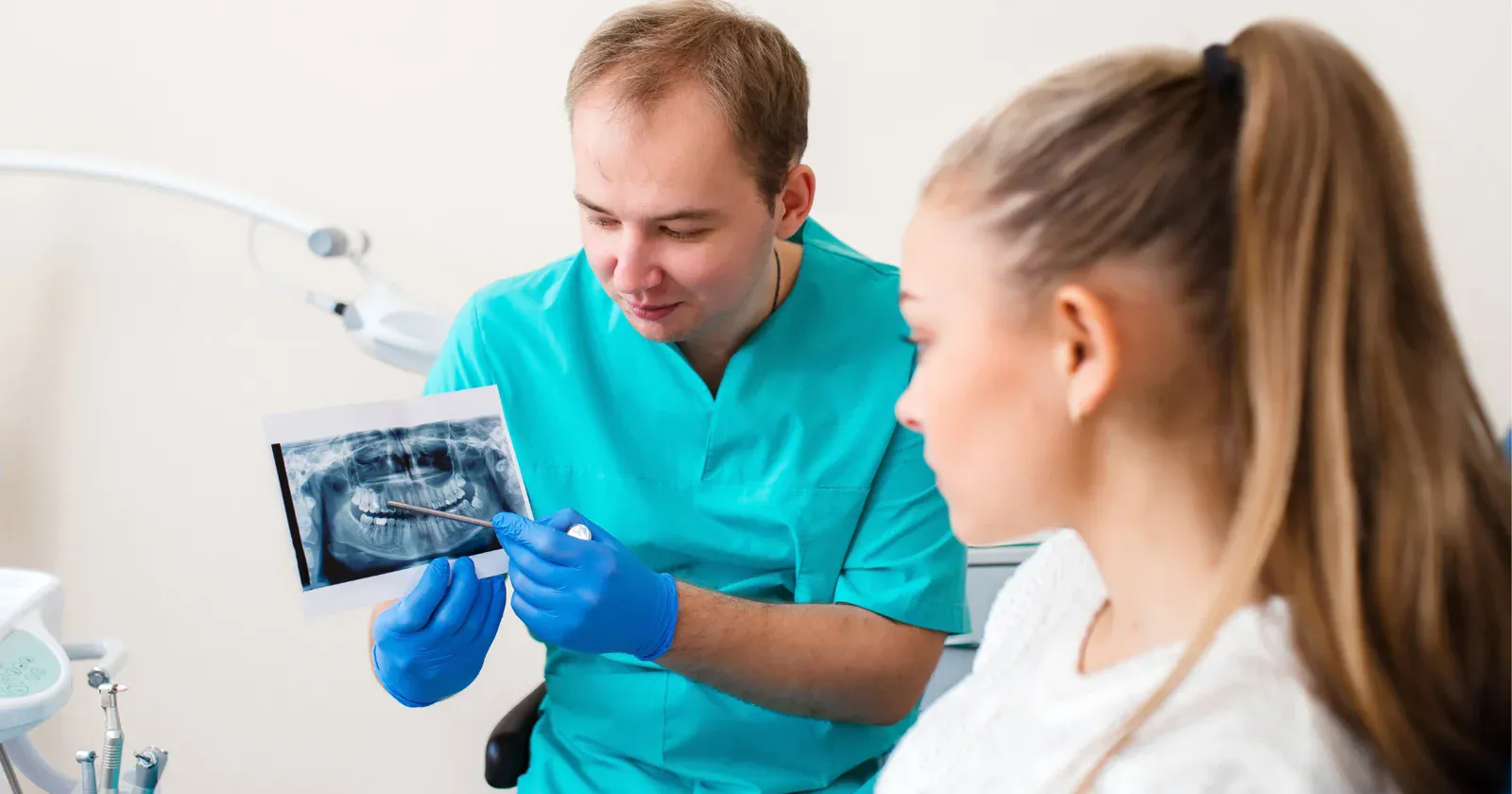
- Imaging, such as an X-ray, if it’s needed
Pain in the mouth, jaw or face doesn’t always come from the jaw joint, so other causes may need to be ruled out. Your dentist may suggest seeing your GP or another health professional.
What Can Help
Many jaw problems are temporary, and many go away without treatment. If you need support, the approach is usually gentle:
- Eat soft foods and cut food into small pieces.
- Avoid opening your mouth wide.
- Cut back on habits such as clenching, chewing gum and biting your nails.
- Try heat or cold on the face, along with gentle jaw exercises. A physiotherapist can show you suitable ones.
- Manage stress, for example with relaxation techniques.
- For pain relief, ask your pharmacist or GP what’s suitable for you.
A dentist or doctor may sometimes suggest a night guard or splint, which fits over the teeth to protect them and may help reduce clenching. There isn’t a lot of evidence that these ease jaw pain, and they don’t change your bite. An occlusal splint is intended to protect the teeth, not permanently change how they meet. If wearing it causes pain or discomfort, stop using it and contact your dentist for advice.
Treatments that permanently change the teeth or bite generally aren’t recommended first. Results vary between patients, and your dentist will explain the benefits, risks and limits of any option.
Reducing the Risk
- Manage stress and anxiety.
- Keep up regular dental check-ups.
- If you grind your teeth, talk to your dentist.
Frequently Asked Questions
Is jaw clicking normal?
Often, yes. Clicking or popping without pain is common and doesn’t need treatment.
Is a clicking jaw a sign of a jaw joint problem?
Not on its own. Painful clicking, locking, limited movement or pain spreading to the face or neck are more reasons to have it checked.
Can stress cause jaw clicking?
Stress can lead to jaw clenching or teeth grinding, and symptoms can feel worse when you’re stressed or anxious.
Will jaw clicking go away on its own?
For many, jaw symptoms improve with time. If yours don’t improve after a few weeks, see a dentist or doctor.
Can a dentist fix a clicking jaw?
Sounds without pain don’t usually need treatment. If there are other symptoms, your dentist can assess them and talk through gentle options. No outcome can be guaranteed.
Is jaw clicking on one side a problem?
Not necessarily. If it’s new, painful or comes with locking or limited movement, have it checked.
Book a Jaw Assessment in Prahran
If your jaw clicks and you’re worried, or it comes with pain, locking or stiffness, an assessment is the next step. Your dentist can examine your jaw and teeth, explain what they find and talk through your options before you decide anything. You can also read about our general dentistry.
At Prahran Family Dental, we see patients from Prahran, Windsor, South Yarra, Toorak, and Armadale. Call us on (03) 9533 2288 or book online. Visit us at Shop 7, 180 Commercial Road, Prahran VIC 3181.
Sources: Healthdirect Australia. “Temporomandibular joint dysfunction.” healthdirect.gov.au (last reviewed November 2025). National Institute of Dental and Craniofacial Research (NIDCR). “TMD (Temporomandibular Disorders).” nidcr.nih.gov (last reviewed September 2026).
Any surgical or invasive procedure carries risks. Before proceeding, consider seeking a second opinion from an appropriately qualified health practitioner.