

Planning your child's first dental visit and knowing when to start can feel like guesswork for a lot of parents, especially with a first child. This guide covers the general timing for a first visit, what typically happens once you're there, and practical guidance on baby teeth care and cleaning in the meantime.
When Should Your Child First See a Dentist?
As a general rule, aim for that first visit around the time the first tooth comes through, ideally within six months of it appearing, or by the first birthday if no tooth has shown up yet. This is earlier than many parents expect, since it's common to assume dental visits only become relevant once a child has a full set of teeth or is old enough to sit still and cooperate.
The early timing is less about treatment and more about establishing a baseline, monitoring how teeth are coming through, and giving your child a chance to get used to the environment before there's ever a reason to be concerned.
Baby Teeth Care Before the First Dental Visit
Before any teeth show up, wiping a baby's gums with a clean, damp cloth after feeds is a good habit to start, keeping the mouth clean and building the routine early. Once the first tooth erupts, brushing can begin with a small, soft toothbrush and water. For children under 18 months, toothpaste is generally not needed unless your dentist advises otherwise. From 18 months to six years, use a small smear of low-fluoride children's toothpaste, with individual advice from your dentist where needed.
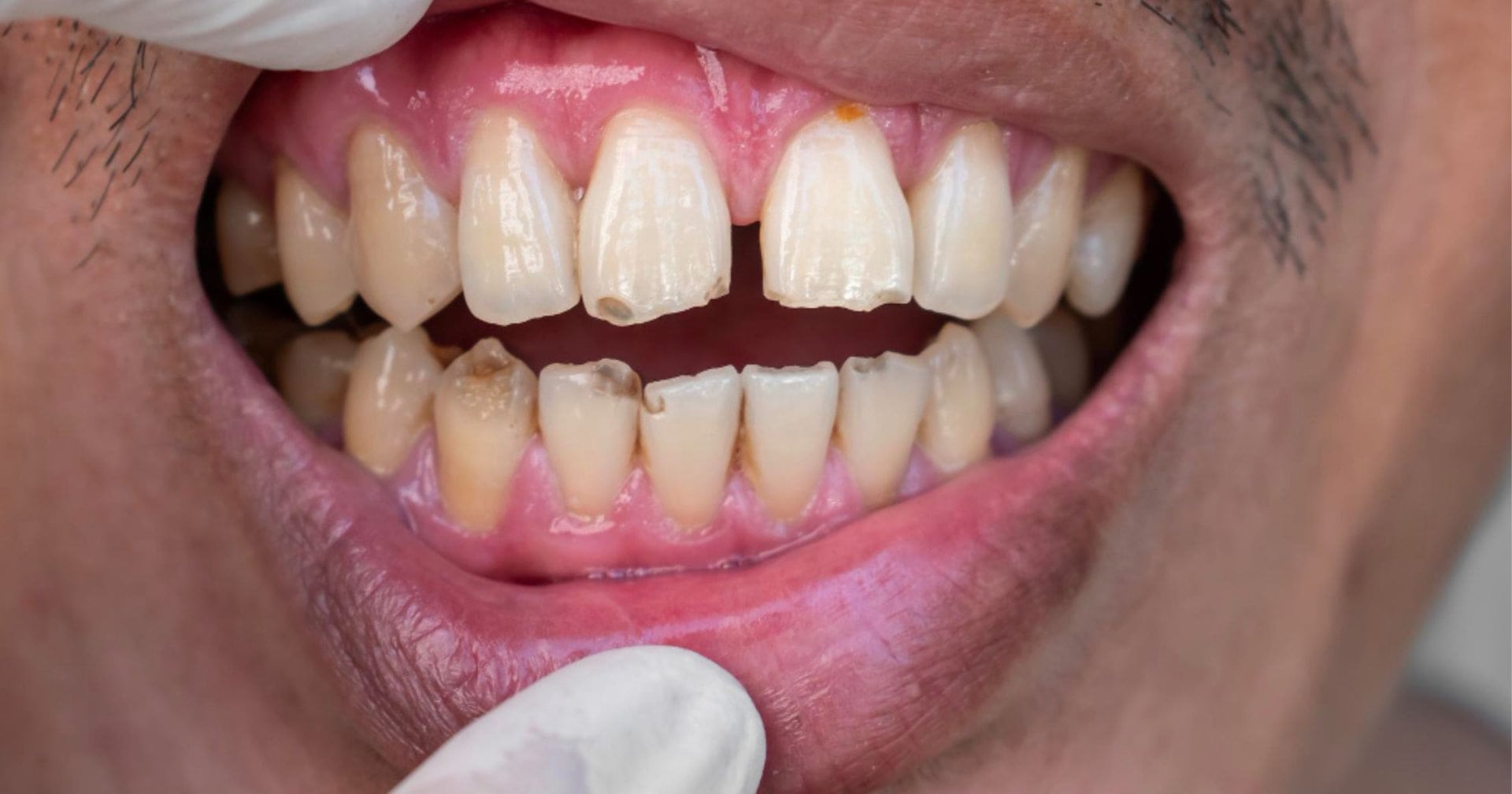
Avoiding putting a child to bed with a bottle of milk or juice is worth mentioning too, since prolonged contact between sugary liquid and teeth overnight is a well-known contributor to early childhood decay. The timing of when the first tooth appears varies quite a bit between babies, so there's a wide range of what's considered typical.
What Happens at Your Child's First Dental Visit
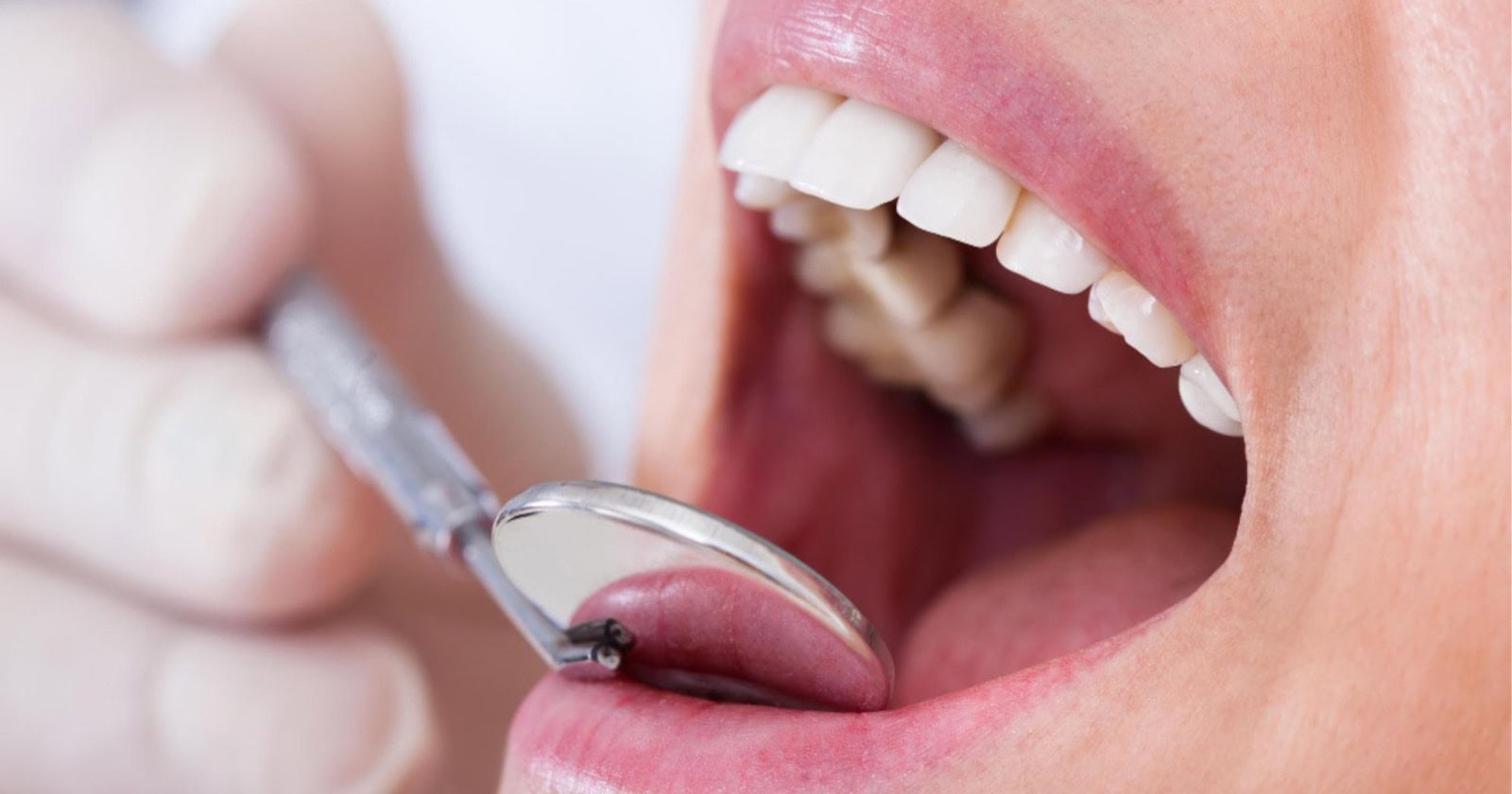
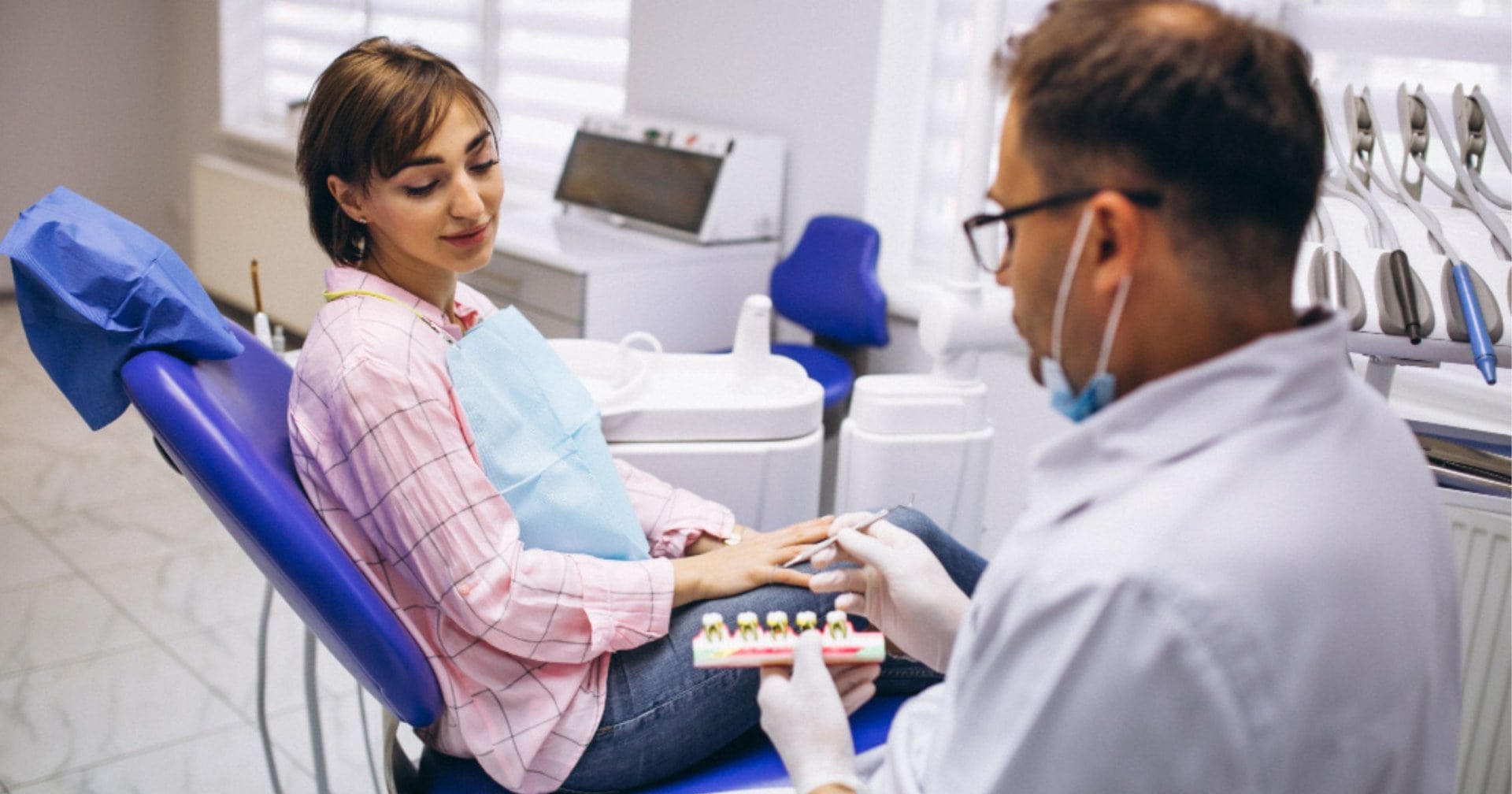
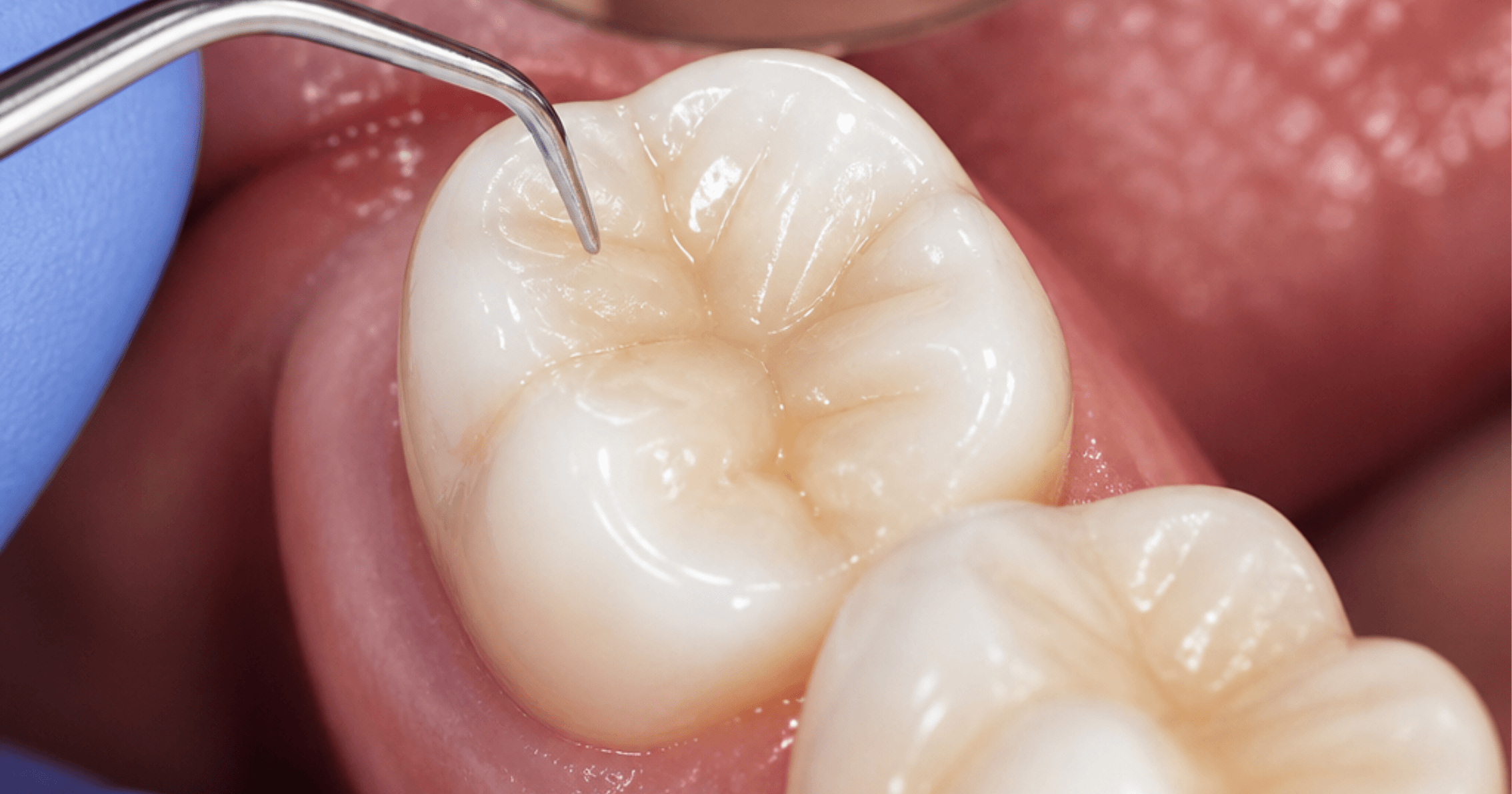
First visits are generally kept short and low-pressure, with the focus on familiarity rather than treatment. A dentist will typically count teeth, check how the jaw and bite are developing, and have a gentle look with a mirror, sometimes with your child sitting on your lap rather than in the chair alone if that helps them feel more settled.
For a very young or particularly nervous child, a full clean might not happen at the very first visit at all; building comfort with the experience is often treated as the priority in itself, since a positive early association tends to make future visits go more smoothly.
Choosing a Practice for the First Visit
When looking for a children's dentist, a comfortable, unhurried environment and a practitioner who can explain things in plain, age-appropriate terms tend to matter more to how the experience goes than any specific piece of equipment or decor. Ask how the practice supports nervous or very young children, since this varies between practices.
Children's Teeth Cleaning
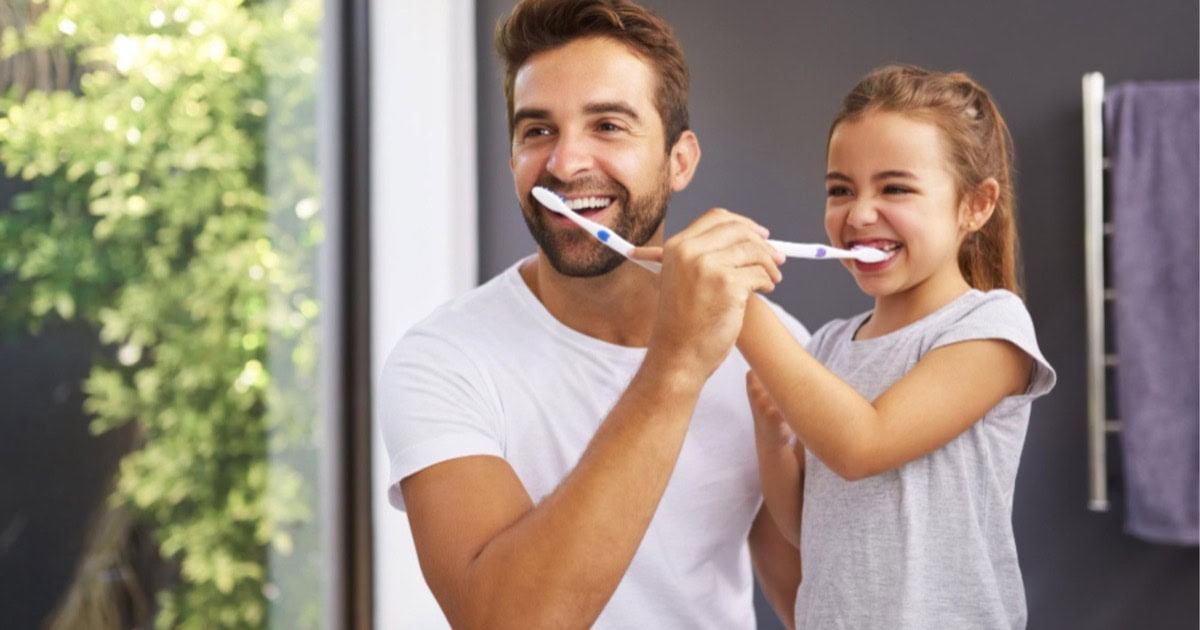
Most children need help with brushing well beyond when they first learn to hold a toothbrush, generally until they have the fine motor control to do a thorough job themselves, often somewhere around six to eight years old, though this varies. Use water only under 18 months unless your dentist advises otherwise, then a small smear of low-fluoride children's toothpaste until six years. From six years, a pea-sized amount of regular fluoride toothpaste is generally suitable.
Encouraging your child to spit out toothpaste rather than swallow it, and flossing once teeth start touching each other, are both worth introducing as the mouth develops.
Source: Australian Dental Association guidance on choosing toothpaste — https://teeth.org.au/tips-for-choosing-toothpaste.
The Child Dental Benefits Schedule
The Child Dental Benefits Schedule (CDBS) is a government program administered through Medicare that provides funding toward basic dental services for eligible children. A child is generally eligible if they're eligible for Medicare, are aged 0 to 17 at some point during the calendar year, and their family receives a qualifying government payment, such as Family Tax Benefit Part A, at some point during that year.
The scheme covers services including check-ups, X-rays, cleaning, fillings, and extractions, up to a capped amount over a two-calendar-year period; the exact capped figure is adjusted periodically, so it's worth confirming the current amount directly through Medicare. There's no separate application required, since eligibility is assessed automatically by Services Australia.
Helping Your Child Feel Comfortable at the Dentist
A few things parents can do ahead of an appointment tend to help:
- Use plain, neutral language when talking about the visit, rather than words that might introduce worry your child hadn't had before.
- Let the dentist take the lead in explaining what's happening, rather than pre-explaining every detail yourself.
- Bring a comfort item if your child has one they'd like to hold during the visit.
- Model a calm, matter-of-fact attitude yourself, since children often take their cue from a parent's tone.
Frequently Asked Questions
What age should a child have their first dental visit?
General guidance suggests within six months of the first tooth appearing, or by their first birthday, whichever comes first.
Does my child need a dental visit if they don't have teeth yet?
It's still worth having a first visit around their first birthday even if only a few teeth have come through, since it establishes a baseline and gives your child early exposure to the environment.
How often should children see the dentist after their first visit?
This is generally discussed at the first visit and depends on individual factors, though many children are reviewed roughly every six months as a starting point.
What if my child is scared or upset at the dentist?
This is common, particularly at early visits. Dentists experienced with children generally have ways of adjusting the pace and approach for a nervous child, and building comfort over a few visits rather than expecting an immediate calm response is a reasonable way to think about it.
Is the Child Dental Benefits Schedule automatic, or do I need to apply?
Eligibility is assessed automatically by Services Australia based on your family's circumstances. There's no separate application to submit.
How much toothpaste should young children use?
Under 18 months, brush with water only unless your dentist recommends toothpaste. From 18 months to six years, use a small smear of low-fluoride children's toothpaste. From six years, a pea-sized amount of regular fluoride toothpaste is generally suitable. Supervise brushing and encourage your child to spit rather than swallow.
When do baby teeth typically start falling out?
This varies, but it commonly begins somewhere around five to seven years of age, with permanent teeth gradually replacing them over the following years.
Book Your Child a Dental Visit in Prahran
If it's time for your child's first visit, or you're looking for a dental home for your family, we're happy to help.
At Prahran Family Dental, we see patients from Prahran, Windsor, South Yarra, Toorak, and Armadale. Call us on (03) 9533 2288 or book online. Visit us at Shop 7, 180 Commercial Road, Prahran VIC 3181.
Any surgical or invasive procedure carries risks. Before proceeding, consider seeking a second opinion from an appropriately qualified health practitioner.