
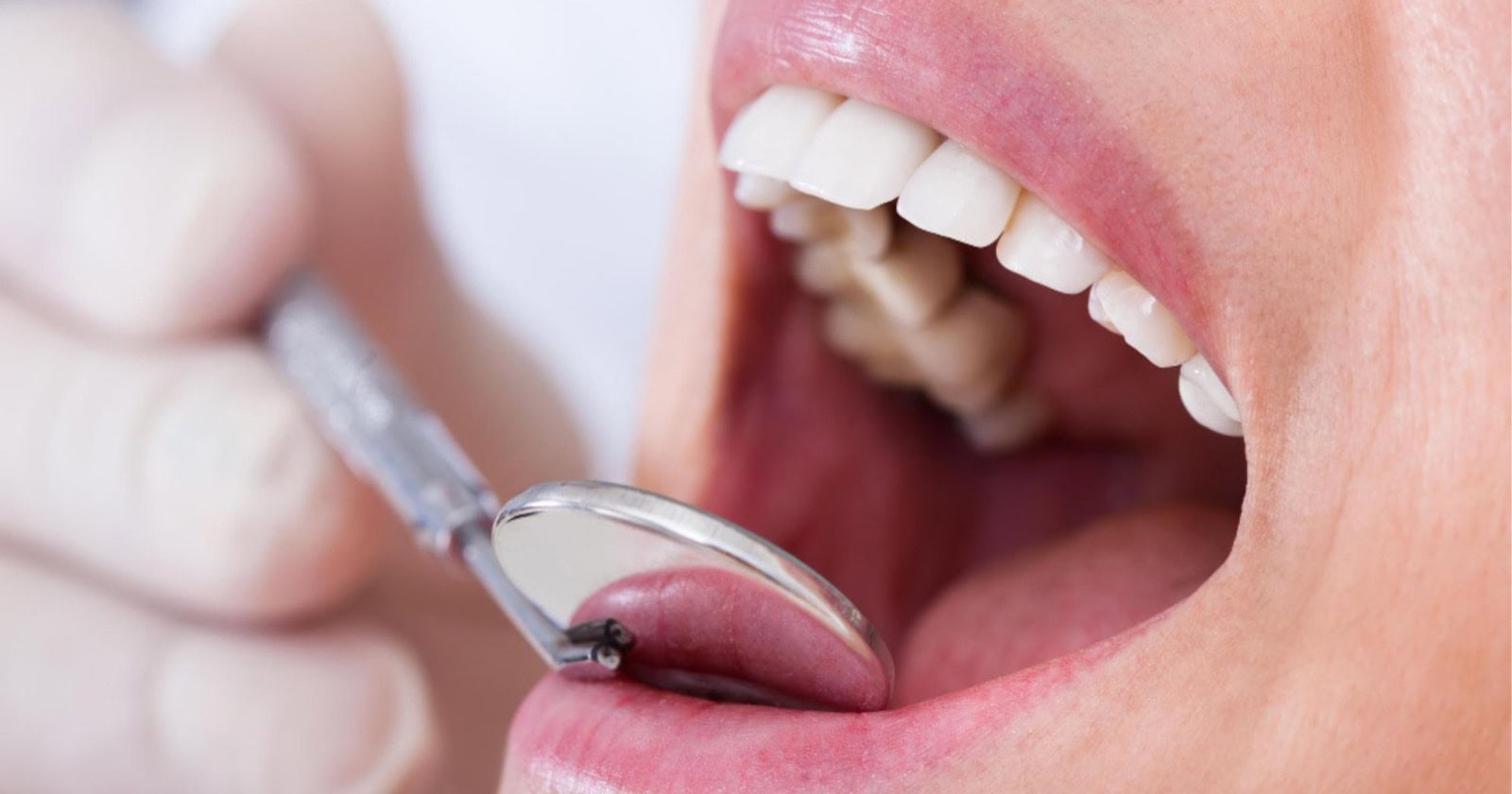
Teeth grinding is common, and many people do it without realising. Left unmanaged, it can gradually wear down and damage teeth, sometimes affecting existing dental work along the way. This guide covers what teeth grinding actually does to your teeth, what tends to cause it, and the steps that can help you manage it, along with answers to common questions.
What Is Teeth Grinding?
Teeth grinding, also called bruxism, is the repeated clenching or rubbing of the upper and lower teeth together. It can happen during the day, often without much awareness, or overnight during sleep. Sleep-related grinding is usually the harder of the two to notice, since it happens while you're unconscious of it. Many people only find out they grind their teeth when a partner mentions the sound, or when a dentist spots the signs during a check-up.
Awake Grinding vs Sleep Grinding
Grinding tends to fall into one of two patterns, and the two can feel quite different day to day.
Awake grinding
This usually shows up as clenching rather than a back-and-forth grinding motion. It often happens during concentration, such as while working, driving or scrolling on a phone, and many people can learn to notice and interrupt it once they know to look out for it.
Sleep grinding
This is harder to catch, since it happens while you're asleep. It tends to involve more forceful movement than awake clenching, which is part of why it can cause more noticeable wear over time. Most people find out they grind in their sleep from a partner, or from a dentist noticing wear patterns during a check-up.
What Causes Teeth Grinding?
Stress and tension
Stress and tension are commonly associated with daytime clenching and grinding. Jaw muscles can tighten in response to everyday pressure, and for some people this shows up as grinding without them noticing. Busy periods at work, exams, or ongoing personal stress are all commonly reported alongside an increase in grinding.
Bite alignment
The way the teeth come together when you bite may also be a contributing factor. Teeth that are crooked, missing, or otherwise out of alignment may contribute to grinding, as the jaw searches for a comfortable resting position. This is one of the reasons a dental check-up is useful, since it looks at the bite as a whole rather than just the teeth in isolation.
Sleep-related factors
Grinding during sleep is sometimes linked to disrupted or lighter sleep. It can happen alongside other sleep-related habits and often goes unnoticed until it's picked up by a partner or a dentist. Some people grind more during certain sleep stages than others, which is part of why the pattern can seem inconsistent from night to night.
Lifestyle factors
Caffeine, alcohol and smoking are commonly associated with an increased likelihood of grinding for some people, though individual triggers vary considerably from person to person. Keeping a rough note of when grinding seems worse can sometimes help you and your dentist spot a pattern.
What Teeth Grinding Does to Your Teeth
The physical effects of grinding build up gradually, often over months or years, which is part of why it can go unaddressed for so long.
Enamel wear
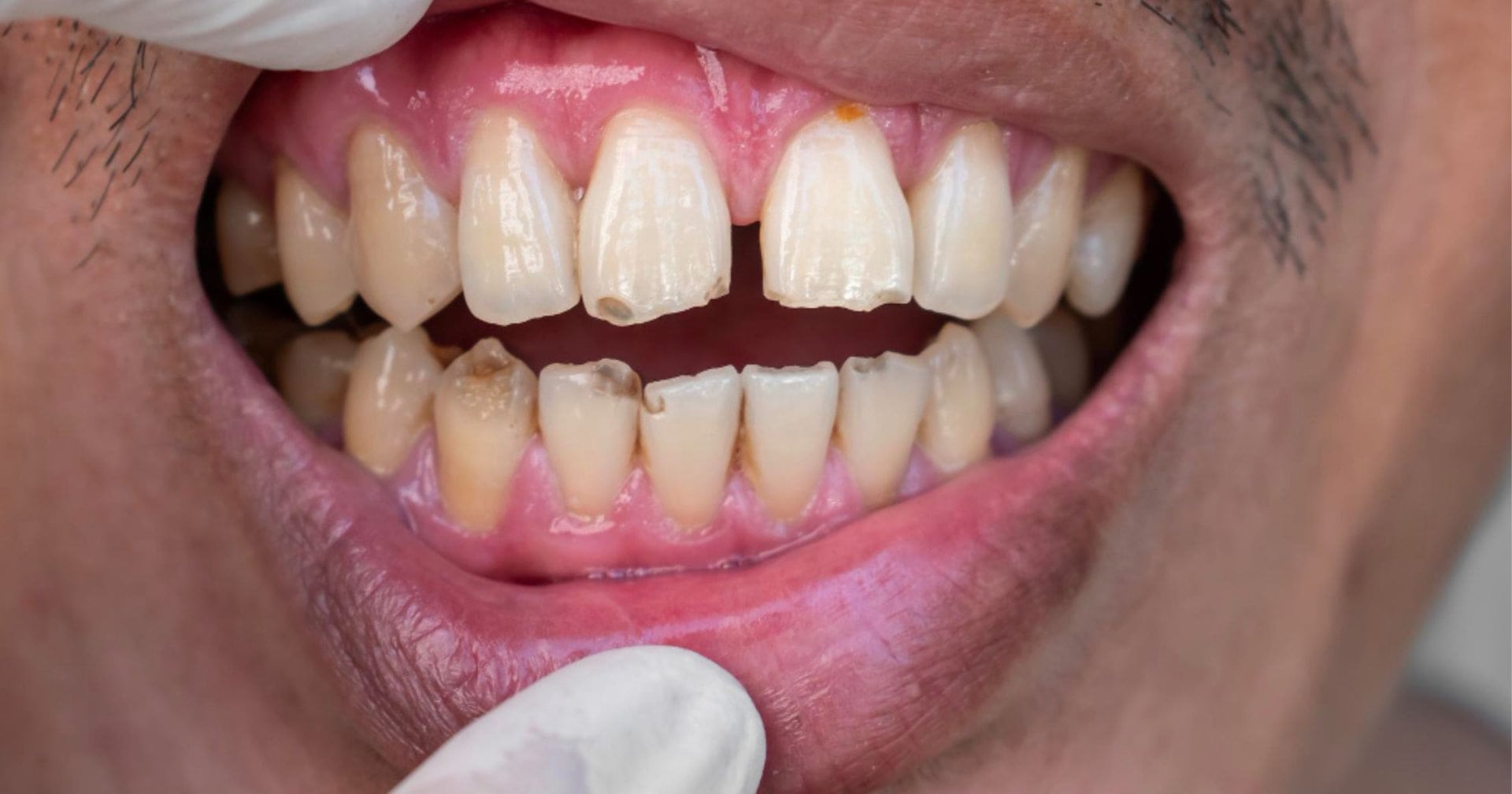
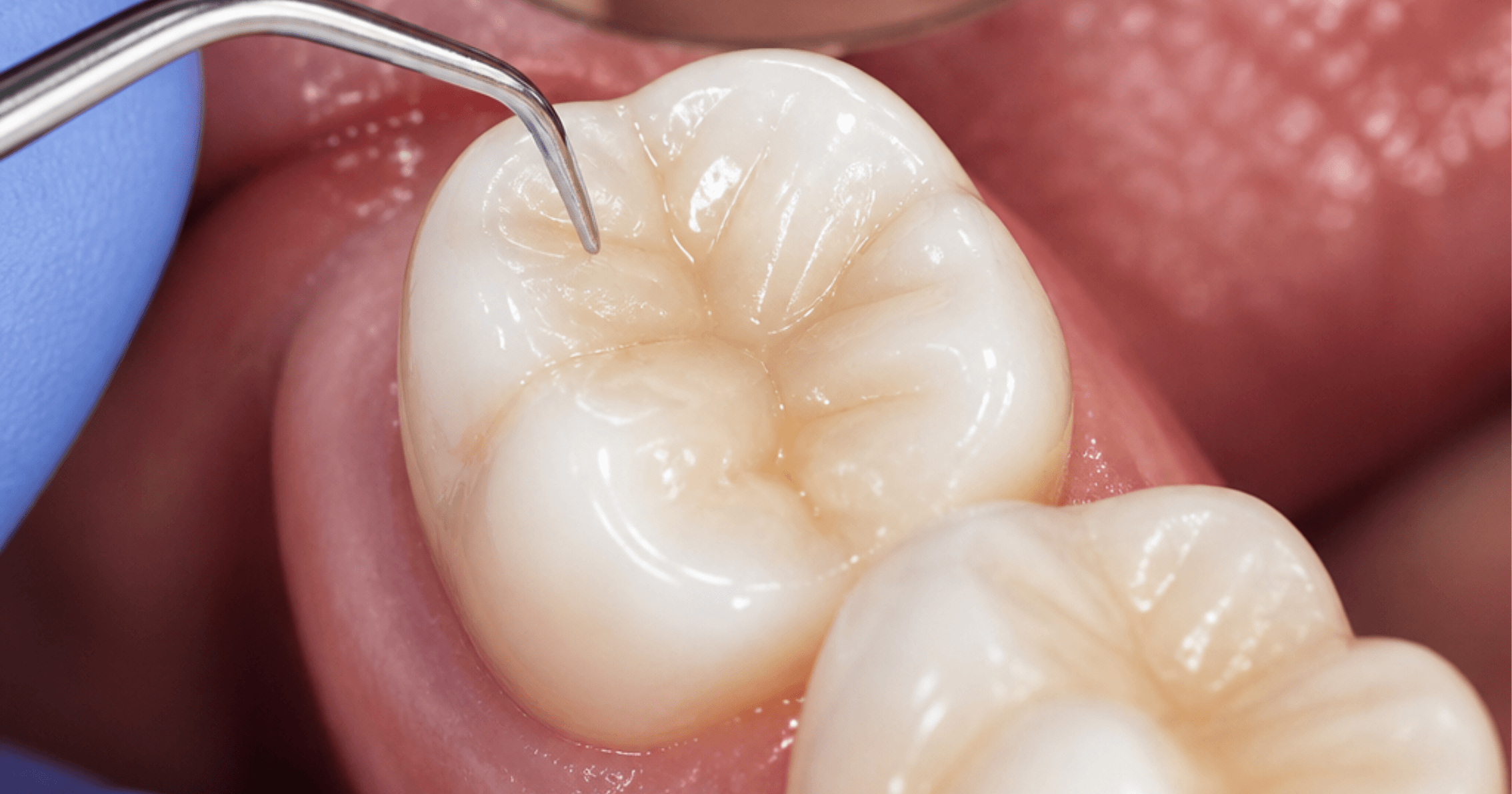
Repeated grinding wears down the biting surfaces of your teeth. Over time, this can flatten the natural curves and ridges of the tooth, changing how your teeth meet when you bite down.
Chips and cracks
The pressure involved in grinding can chip the edges of teeth or create small cracks, particularly in teeth that are already weakened by fillings or previous dental work.
Damage to existing dental work
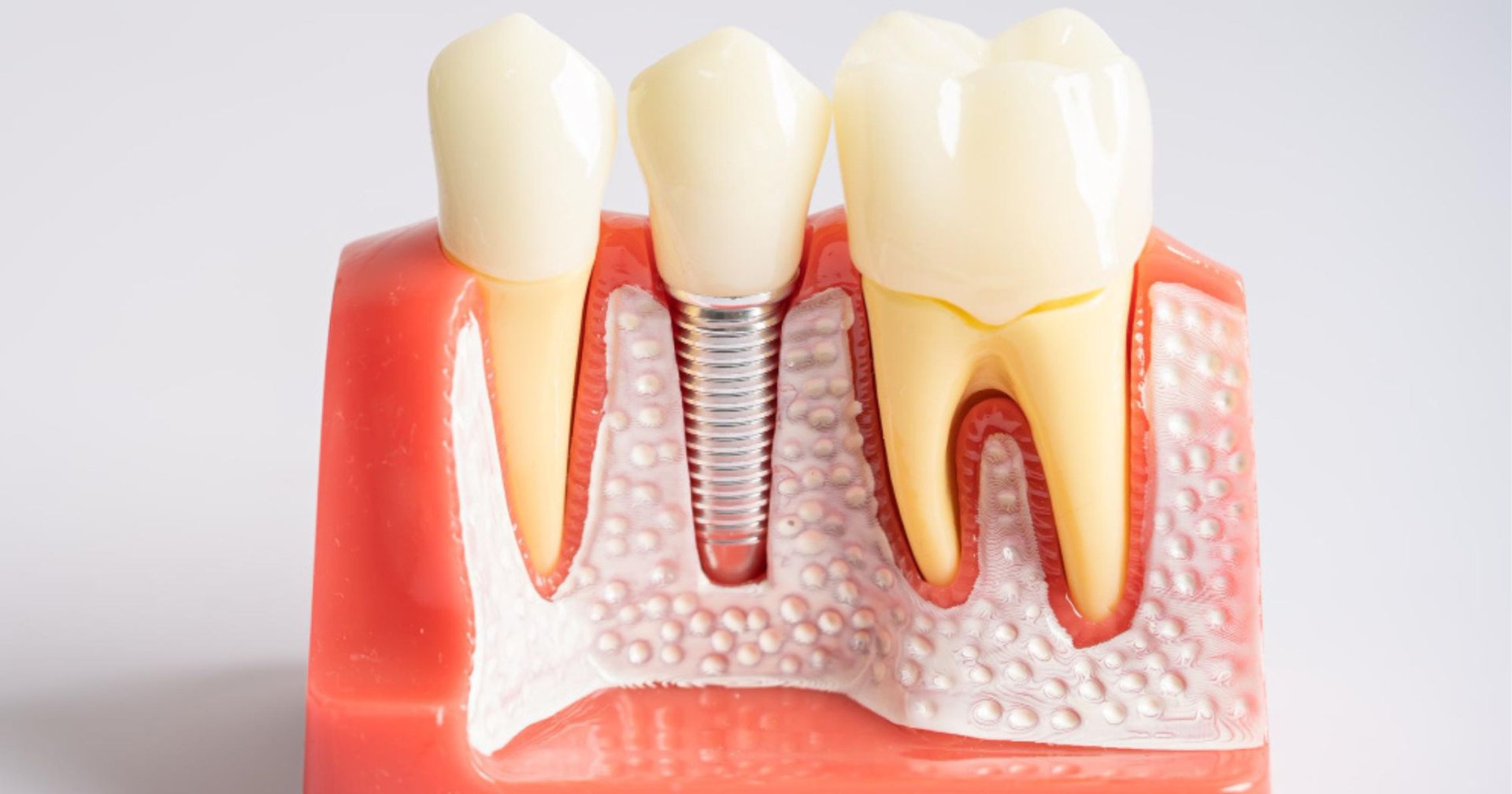
Fillings, crowns and bridges are not immune to the forces involved in grinding. Existing restorations can wear, loosen or crack under the same pressure that affects natural tooth structure.
Sensitivity
As enamel wears thinner, the underlying layer of the tooth can become more exposed, which may lead to sensitivity to cold, hot, or sweet food and drink.
Jaw muscle tension
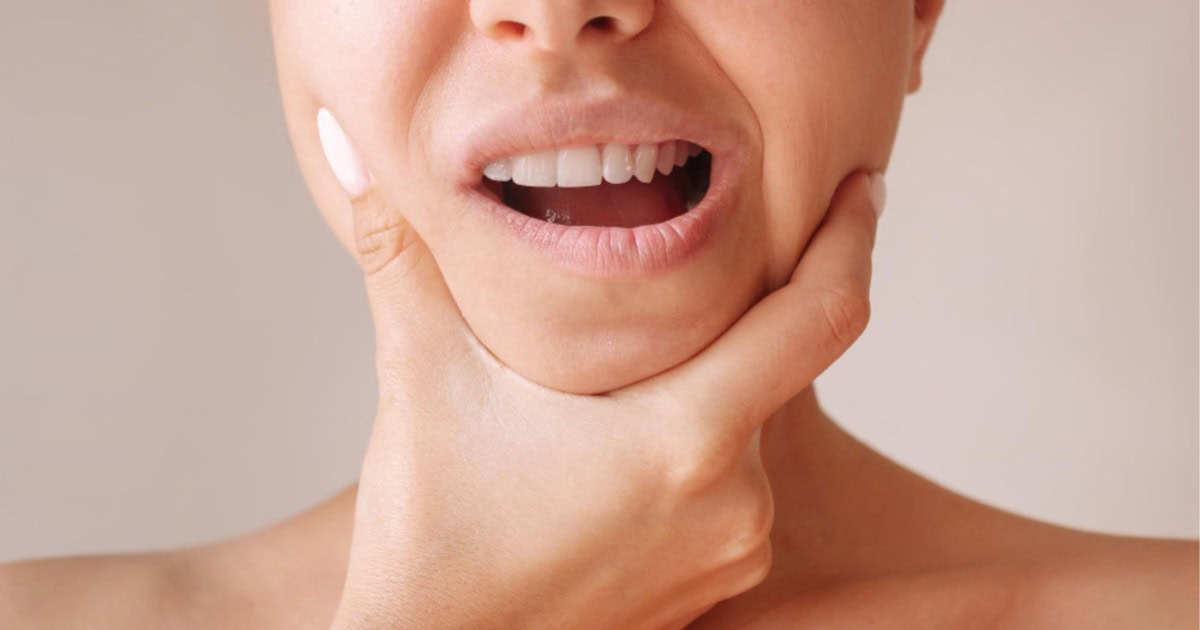
Grinding involves the same muscles used for chewing, and ongoing clenching can leave the jaw feeling tight or tired, particularly first thing in the morning after a night of sleep-related grinding.
Headaches and facial discomfort
Some people notice a dull ache around the temples or jawline, especially after waking. This is linked to the same muscle tension involved in clenching and grinding, rather than being a separate issue on its own.
As with any dental concern, how noticeable these effects become varies between patients, depending on how often and how forcefully someone grinds, and how long it has been happening.
Teeth Grinding in Children
Grinding isn't only an adult issue. It can also occur in children, particularly around the time baby teeth come through and again as adult teeth start to erupt.
In many cases it settles on its own as a child's bite develops, but it's still worth mentioning to your dentist at a regular check-up so it can be monitored over time. A dental check-up for kids gives your dentist the chance to look at wear patterns early and flag anything that needs a closer look.
How Teeth Grinding Is Identified
Because grinding often happens without the person realising, it's frequently picked up during a routine dental check-up rather than reported by the patient. A dentist can look for flattened or worn biting surfaces, small cracks, and wear patterns that point to grinding rather than general use. An examination is the most reliable way to confirm what's going on and how far it has progressed.
How to Manage Teeth Grinding
Look at stress and daily habits
Since stress and tension are commonly linked to grinding, some people find it helps to build in ways to manage day-to-day pressure. Cutting back on habits such as prolonged gum chewing, nail biting, and chewing on pens may help reduce unnecessary strain on the jaw.
Review caffeine and alcohol intake
Cutting back on caffeine and alcohol may help reduce grinding for some people, though results vary between patients, and it isn't a fix for everyone.
Keep up with regular dental check-ups.
Regular dental examinations allow your Prahran dentist to monitor any wear on your teeth over time and catch changes early, before they progress further.
Night guards and occlusal splints
A dentist may recommend a custom-fitted night guard, also called an occlusal splint, to help protect teeth from grinding damage. It separates the upper and lower teeth, but may not stop the grinding itself. Suitability and the type of appliance depend on an individual assessment.
Repair damaged teeth
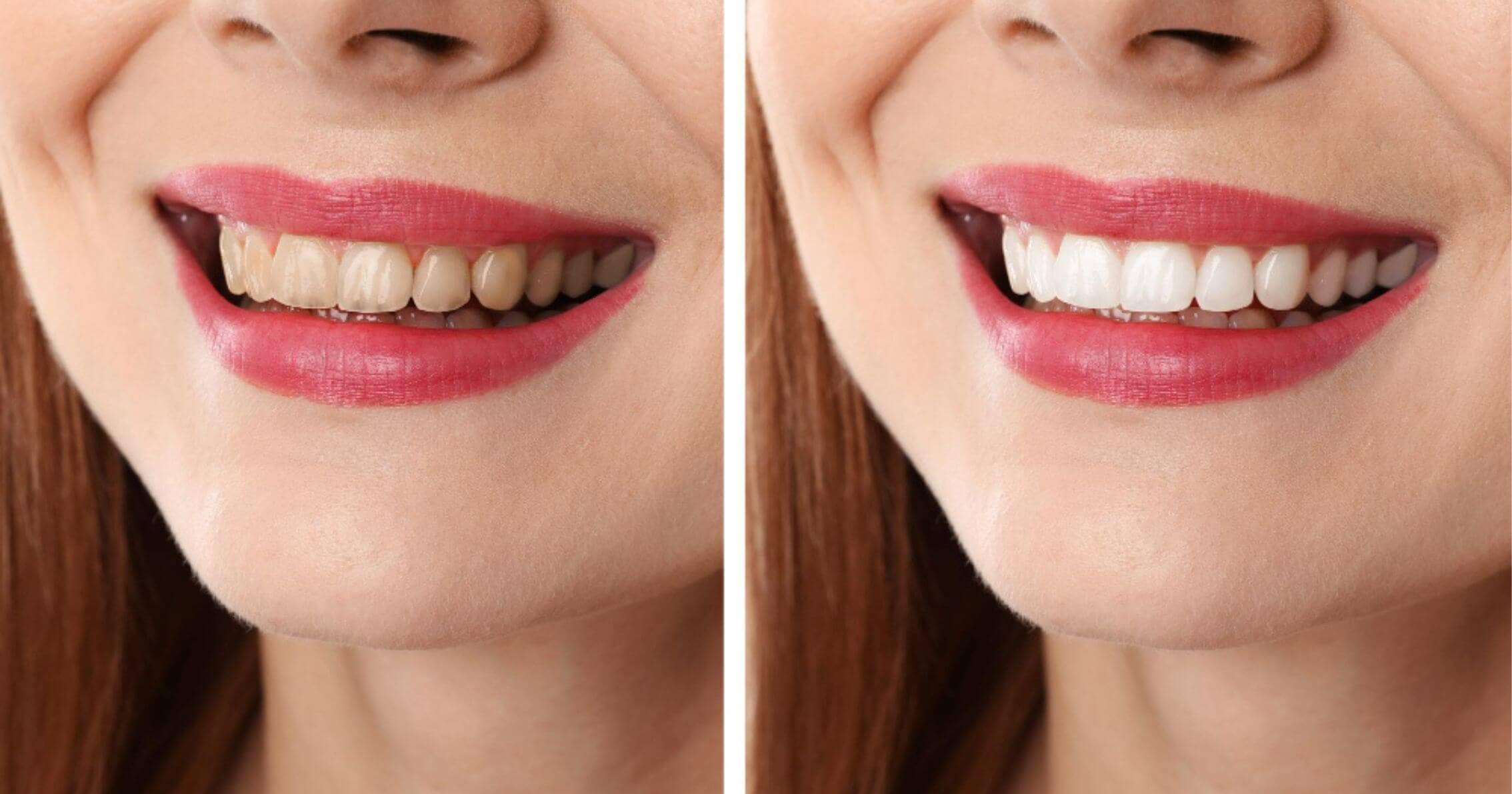
Where grinding has already caused chips, cracks or worn fillings, restorative treatment such as fillings, crowns or bridges can repair the affected teeth. As with any dental treatment, the material used may need maintenance or replacement over time, and your dentist will talk you through the options, risks and limitations that apply to your situation.
Speak with your GP if jaw pain persists
If jaw tension, soreness or headaches continue, it's worth mentioning this to your GP alongside your dentist, particularly if it's affecting your sleep or daily comfort.
Why It's Worth Addressing Early
Enamel wear from grinding builds up gradually, and because it happens slowly, it's easy to put off doing anything about it. The trade-off is that once enamel has worn away or a tooth has chipped, that structure doesn't come back on its own.
Catching wear at an earlier stage generally means simpler monitoring, while more advanced wear or repeated damage to existing dental work may call for a bigger conversation about restorative options. Regular check-ups give your dentist a baseline to compare against, so any new wear is easier to pick up early rather than after it's already progressed.
When to See a Dentist
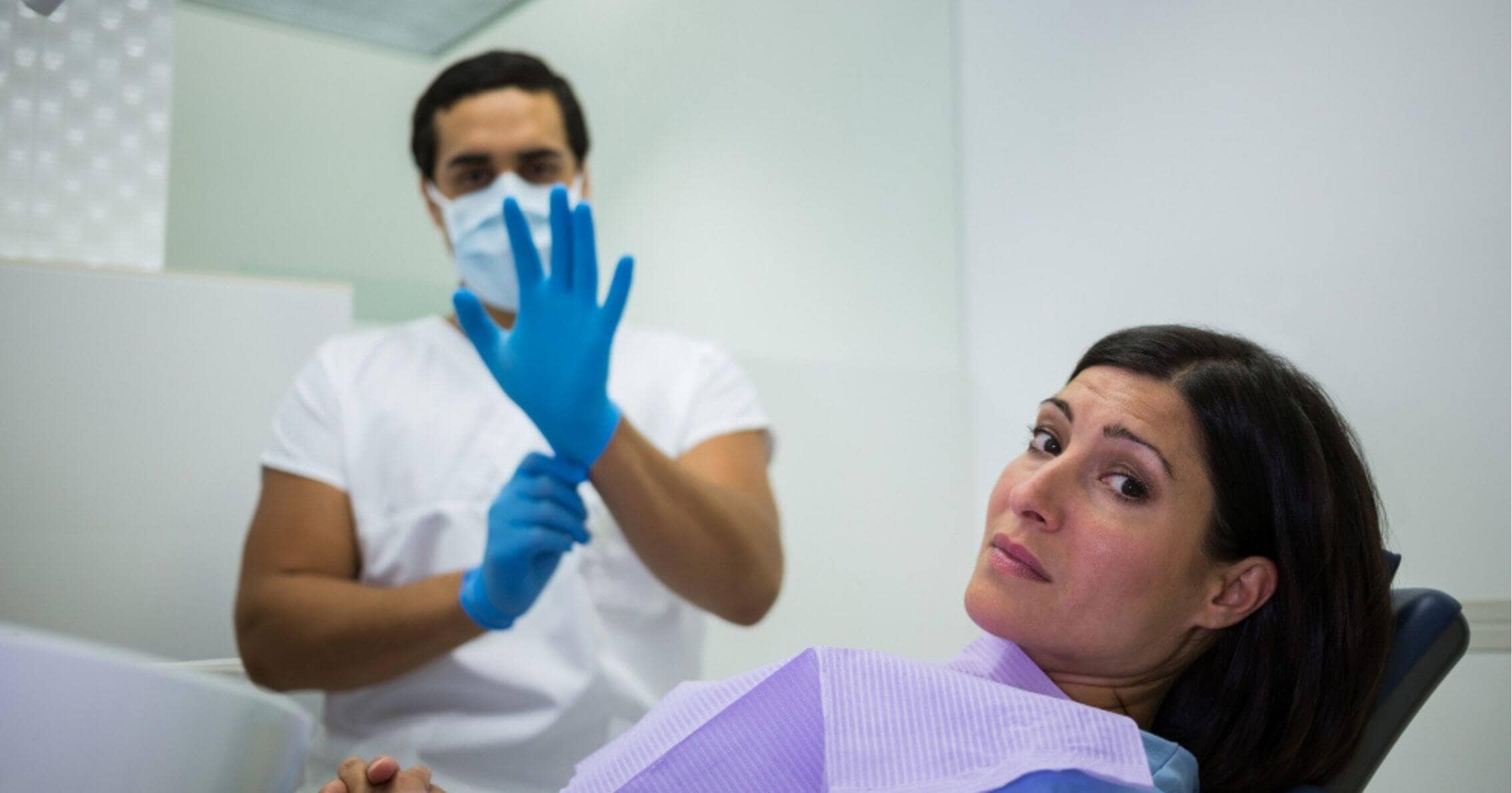
If you've noticed worn, chipped or sensitive teeth, or a partner has mentioned hearing you grind at night, an assessment is the best way to understand what's happening. A dentist can check for signs of wear, look at any existing dental work, and talk through a plan that suits your situation.
Frequently Asked Questions
Can teeth grinding cause permanent damage?
Enamel that has worn away does not grow back, so damage from grinding can be long-term. This is one of the reasons early assessment and monitoring matter. Results vary between patients depending on how much wear has already occurred.
Is stress always the cause of teeth grinding?
Not always. Stress is one commonly associated factor, but bite alignment and sleep-related factors can also contribute, sometimes in combination.
Does teeth grinding get worse over time if it's left unmanaged?
It can. Because the wear builds up gradually, grinding that isn't monitored may lead to more noticeable damage over months or years. This is different for every patient, which is why regular check-ups matter for tracking any change.
Can children grind their teeth?
Yes, children can experience teeth grinding as well as adults. If you've noticed signs in your child, a dental check-up is a good starting point to have it assessed.
Will teeth grinding go away on its own?
This varies between patients. Some notice a reduction after addressing stress or lifestyle factors, while others need ongoing monitoring from their dentist to manage the effects.
Can grinding affect crowns or fillings I already have?
Yes. Existing restorations are exposed to the same forces as natural teeth and can wear, loosen or crack from ongoing grinding, which is one reason regular check-ups are worthwhile if you think you grind your teeth.
How do I know if I grind my teeth in my sleep?
Common signs include a tight or sore jaw on waking, headaches around the temples, or a partner mentioning the sound at night. Because it happens while you're asleep, a dental check-up is often the clearest way to confirm it, based on wear patterns your dentist can see on your teeth.
What should I do if I think I grind my teeth?
Book an assessment with your dentist. They can check your teeth for signs of wear or damage and talk you through what's involved in managing it going forward.
Book an Assessment in Prahran
If grinding has started to affect your teeth, the team at Prahran Family Dental can take a look and talk you through next steps.
At your assessment, ask whether a night guard or occlusal splint may be suitable and what options are available for your situation.
We see patients from Prahran, Windsor, South Yarra, Toorak, and Armadale. Call us on (03) 9533 2288 or book online. Visit us at Shop 7, 180 Commercial Road, Prahran VIC 3181.
Any surgical or invasive procedure carries risks. Before proceeding, consider seeking a second opinion from an appropriately qualified health practitioner.