
Gum Disease Treatment
Support your gum health and overall oral wellbeing with early detection and treatment.
Periodontal disease, also known as gum disease or gum infection, is a condition that affects the gums and supporting structures of the teeth. It can range from mild inflammation to severe damage of the gums and bone.
What is Gum Disease?
Gum disease, also called periodontal disease, is an infection affecting the gums and the structures that support the teeth. It ranges from gingivitis — mild inflammation of the gum tissue — through to periodontitis, where the infection spreads to the bone supporting the teeth. In severe cases, affected teeth can be lost.
It is more common than most people realise. Research suggests that around half of the general population has some degree of gum disease, rising to approximately 70% in adults aged 65 and over.

What Causes It?
Gum disease develops when bacteria in plaque accumulate on the teeth and gumline over time. Without proper oral hygiene, plaque can turn into tartar, which cannot be removed with brushing alone. Tartar build-up creates an environment where bacteria thrive, leading to ongoing inflammation and, over time, damage to the gum and bone tissue beneath.
Signs to Watch For
Gum disease often develops without pain in its early stages, making it easy to miss. Common signs include:
- Gums that bleed when brushing or flossing
- Red, swollen, or tender gums
- Persistent bad breath that doesn't improve with brushing
- Gums that appear to be pulling away from the teeth
- Teeth may start to feel loose or move out of their normal position.
- Sensitivity along the gumline
If you are experiencing any of these, it is worth getting checked sooner rather than later. Gum disease responds much better to treatment in its earlier stages.

Signs to Watch For
Gum disease often develops without pain in its early stages, making it easy to miss. Common signs include:
- Gums that bleed when brushing or flossing
- Red, swollen, or tender gums
- Persistent bad breath that doesn't improve with brushing
- Gums that appear to be pulling away from the teeth
- Teeth may start to feel loose or move out of their normal position.
- Sensitivity along the gumline
If you are experiencing any of these, it is worth getting checked sooner rather than later. Gum disease responds much better to treatment in its earlier stages.
How Is It Treated?
The type of treatment required depends on how far the disease has progressed, with all options focused on treating infection and preventing further harm.

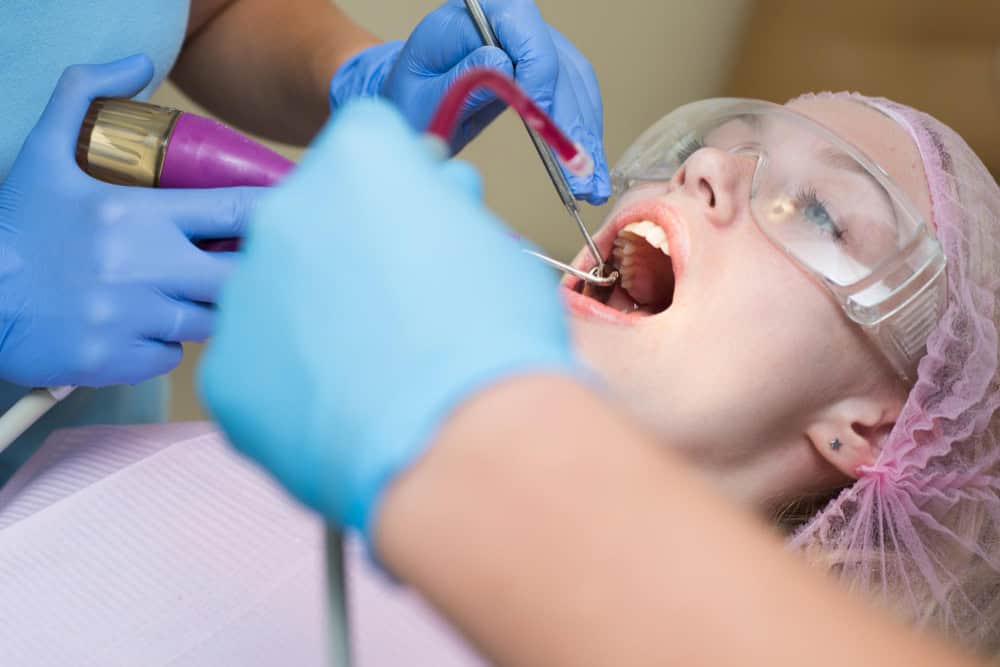
Scale and Clean
For mild gum disease (gingivitis), a professional scaling and cleaning is often all that is needed. This removes the plaque and tartar that brushing cannot reach, particularly along and just below the gumline. For most patients with gingivitis, regular professional cleanings are sufficient to restore gum health.
Surgical Treatment
In advanced cases that have not responded to deep cleaning, a surgical approach may be needed. The gum tissue is carefully opened to allow direct access to the root and bone, thoroughly cleaned, and then sutured to heal. Medicated rinses or other adjuncts may be prescribed in addition to surgery, depending on the case.
Regular monitoring and maintenance appointments are essential for long-term management of gum disease.
Deep Cleaning (Scale and Root Debridement)
Deep cleaning is often needed for periodontal disease with bone loss and deep gum pockets, as these areas can’t be cleaned properly at home.
The treatment involves numbing the gums and removing bacteria from deep pockets to reduce inflammation and help the gums reattach to the tooth roots.
Prevention
Outside of some aggressive forms of the disease, gum disease is largely preventable with consistent home care and regular dental visits.
At home, this means brushing twice daily and flossing once daily using the correct technique.
At the practice, professional cleaning every six months helps remove what home care cannot. For patients with an existing periodontal condition, more frequent visits are usually recommended to prevent disease progression.
Why Choose Prahran Family Dental for Gum Disease Treatment
Early Diagnosis
Gum disease is assessed at every check-up, not just when symptoms appear. Catching it early means simpler treatment and better outcomes.
Treatment Matched to the Severity
Not every case needs the same approach. Dr Jun assesses the extent of the disease and recommends the appropriate level of treatment — whether that is a routine clean, a deep clean, or something more involved.
Ongoing Monitoring
Periodontal disease requires long-term management, not a one-time fix. We work with patients to establish a maintenance schedule that keeps the condition under control.
Health Fund Friendly
We work with all major Australian private health funds and on-the-spot claiming where possible. Professional cleans and periodontal treatments are generally covered under general dental — speak with our team about your level of cover.
Frequently Asked Questions
Is gum disease serious?
Yes, if left untreated. In its early stages, it is very manageable, but advanced periodontal disease can lead to irreversible bone loss and tooth loss. There is also growing evidence linking untreated gum disease to broader health conditions, including cardiovascular disease and diabetes.
Will gum disease treatment hurt?
Routine scaling and cleaning cause little to no discomfort for most patients. Deep cleaning is performed under local anaesthetic, so the area is numb during the procedure. Some tenderness in the days following is normal and settles quickly.
Can gum disease come back after treatment?
Yes, which is why ongoing maintenance matters. Treatment clears the existing infection, but the bacteria that cause gum disease remain in the mouth. Regular professional cleans and consistent home care are what keep it from returning.
Is it normal for gums to bleed during brushing?
No. If your gums bleed easily, it may indicate early gum disease and should be assessed. It is a common misconception that bleeding means you are brushing too hard. More often, it means the gum tissue is inflamed and needs attention.
How often should I have my gums checked?
For most people, a six-monthly check-up and clean is sufficient. If you have an existing periodontal condition or are at higher risk, Dr Jun may recommend more frequent visits to monitor and maintain your gum health.