
Dental Fillings
Restore damaged teeth with natural-looking, durable fillings in a single visit.
A dental filling is a simple and effective treatment used to restore damaged or decayed teeth. It helps rebuild the natural shape, strength, and function of your tooth while maintaining a natural appearance.
What is a Dental Filling?

Restores Tooth Structure
Repairs teeth affected by decay, cracks, or wear.
Single Visit Treatment
Completed in one appointment for convenience.
Natural Appearance
Modern materials blend seamlessly with your teeth.
When is a Filling Needed?
Tooth decay (cavities)
Dental erosion
Discoloration correction
Cracked or chipped teeth
Worn teeth
Minor cosmetic improvements
The Dental Filling Process
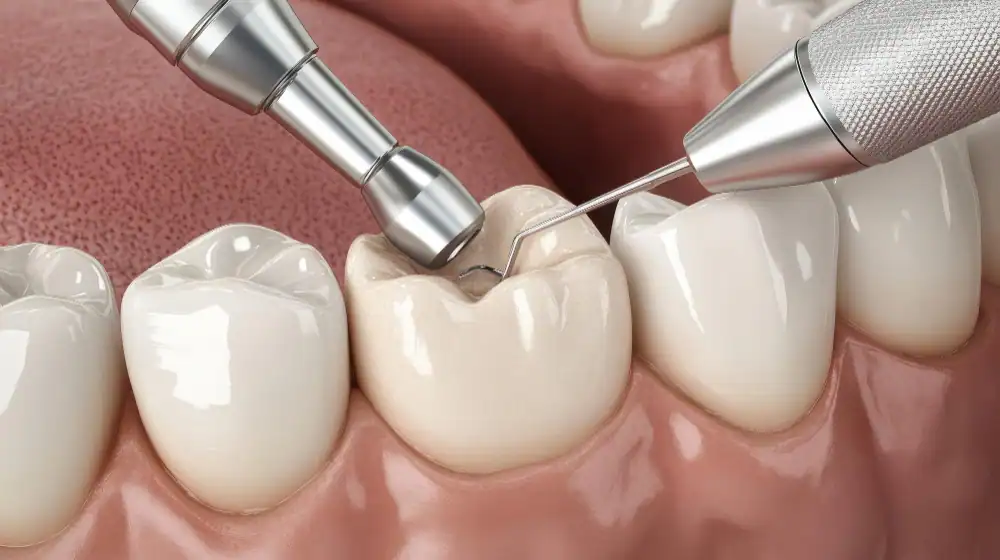
1. Tooth Preparation
-
- Removal of decay and damaged structure
- Cleaning of bacteria
- Tooth prepared for filling placement
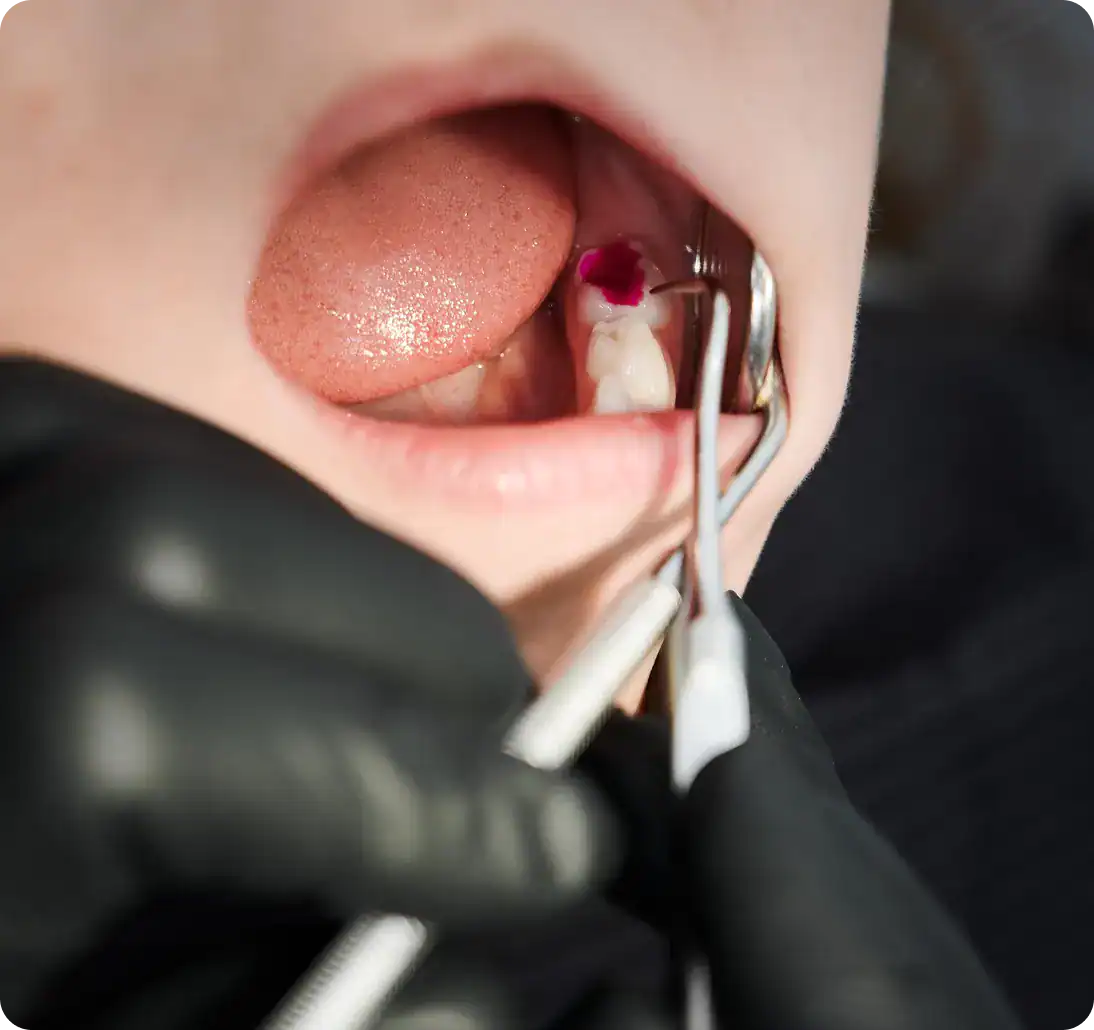
2. Placement of Filling
-
- Tooth surface conditioned and bonded
- Filling material placed and shaped
- Hardened and polished for natural fit
Types of Materials Used
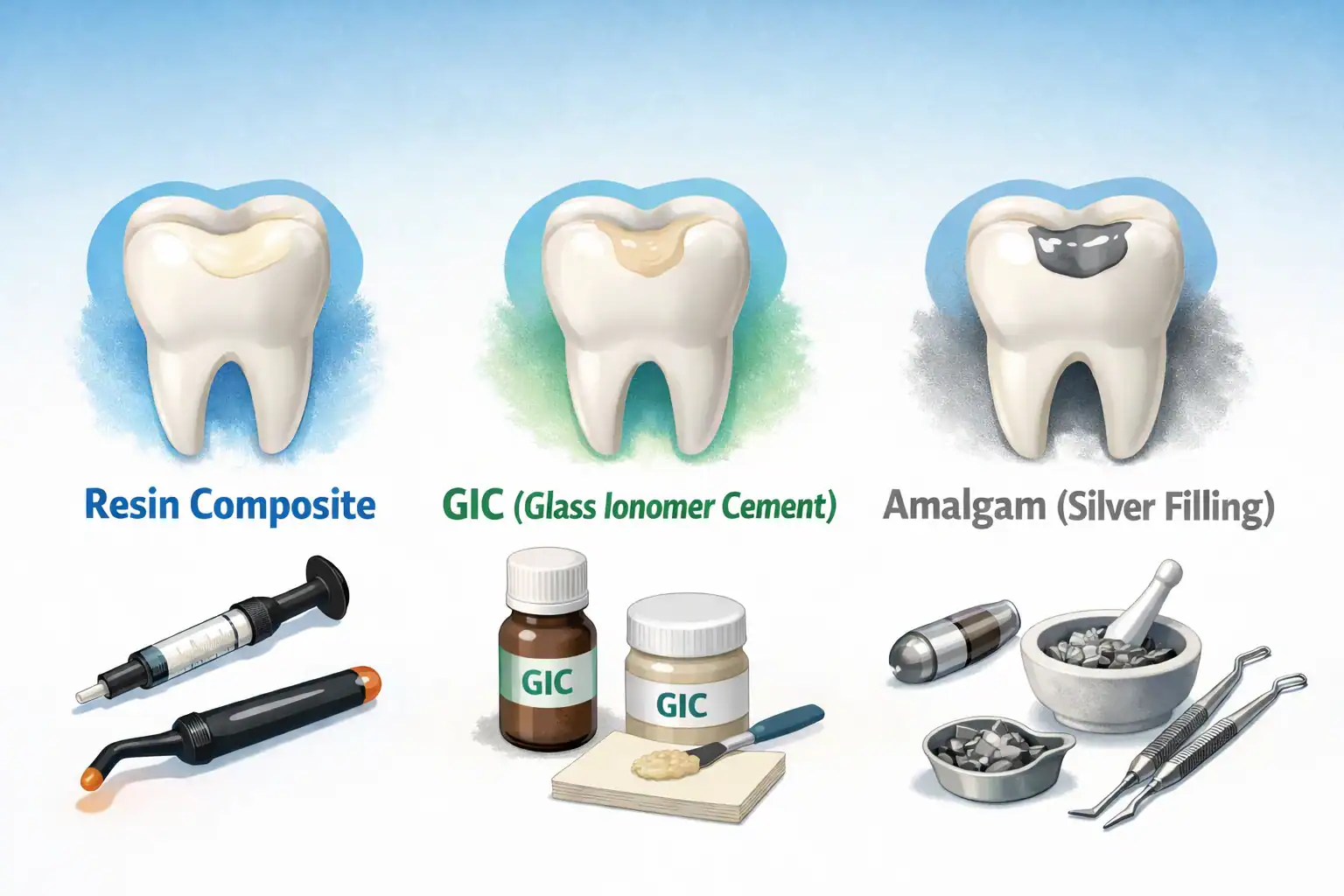
Resin Composite
Natural-looking, highly aesthetic, and bonds to tooth structure.
GIC (Glass Ionomer Cement)
Releases fluoride and helps protect against further decay.
Amalgam (Silver Filling)
Strong and durable, typically used for back teeth.
Pros
-
- Quick and simple procedure
- Natural tooth appearance
- Preserves tooth structure
- Cost-effective treatment
Cons
- May need replacement over time
- Less durable than crowns for large damage
- Sensitivity may occur temporarily
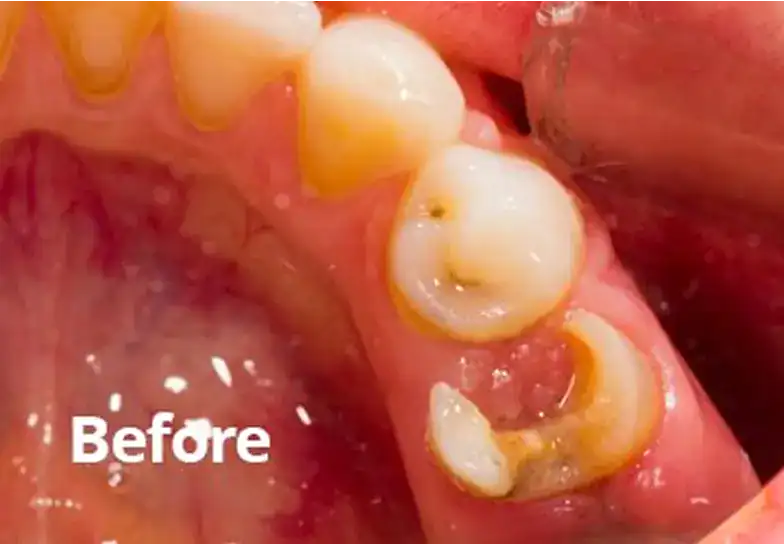
Real Results: Before & After
Witness the transformative power of our Precision-Crafted dental Fillings
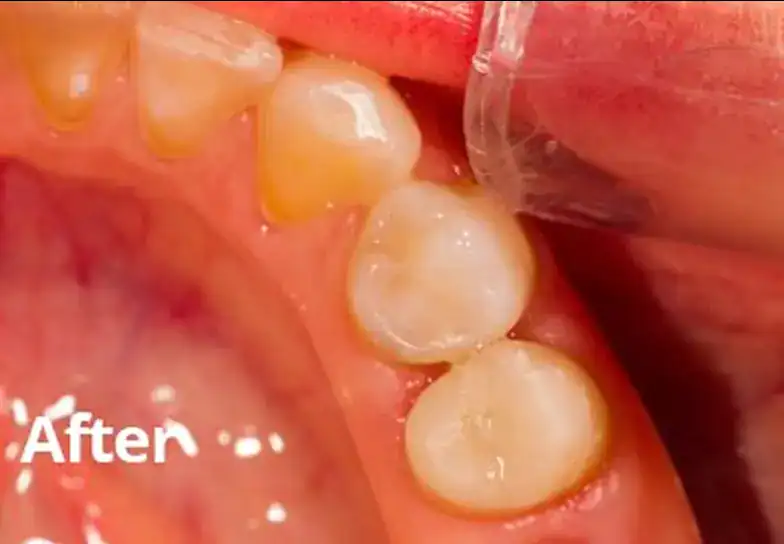
Why Choose Prahran Family Dental for Dental Fillings
Tooth-coloured composite fillings
We use white composite material that bonds directly to your tooth and blends with your natural shade, so repairs stay discreet. It suits fillings across the smile, from front teeth to back teeth.
A conservative approach
Because composite bonds to the tooth, Dr Jun can remove only the decayed or damaged part and preserve more of your healthy tooth structure. Keeping more of your own tooth helps it stay strong over time.
Most fillings in a single visit
A straightforward filling is usually completed in one appointment, often under local anaesthetic so you stay comfortable. You can generally return to your normal day soon afterwards.
Honest advice on what your tooth needs
A filling is not always the right answer for a heavily broken tooth. Dr Jun will assess the tooth and advise whether a filling, an inlay, an onlay or a crown will give it the most reliable long-term protection.
Health-fund friendly and easy to claim
We offer HICAPS on site, so if you have dental cover you can claim your rebate on the spot and simply settle any gap. Our team is happy to help you understand your options before we begin.
Frequently Asked Questions
Does getting a filling hurt?
We place fillings under local anaesthetic when needed, so the area is numb and the procedure is generally comfortable. If you feel anxious about dental treatment, let our team know and we will take things gently and keep you informed at each step.
How long does a filling last?
Composite fillings can last many years, though longevity varies from person to person depending on the size of the filling, where it sits in the mouth, your bite and how well you care for your teeth. Good brushing, flossing and regular check-ups all help a filling last longer.
Why might I need a crown or inlay instead of a filling?
When decay or a crack is large, there may not be enough healthy tooth left to hold a filling securely. In those cases a stronger restoration such as an inlay, onlay or crown can protect the tooth better. Dr Jun will assess the tooth and advise which option is most suitable for you.
Is it normal for my tooth to feel sensitive after a filling?
Some mild sensitivity to hot, cold or pressure for a few days is common and usually settles on its own. If sensitivity is strong, lingers or your bite feels uneven, please contact us so we can check and adjust the filling if needed.
Should I replace my old silver fillings?
An older amalgam filling does not always need replacing simply because it is dark in colour. We generally recommend replacing a filling only if it is worn, leaking, cracked or has decay underneath. Dr Jun will check your existing fillings at your visit and talk through whether tooth-coloured replacements are worthwhile for you.