
Dental Extractions
Safe, gentle removal of damaged or infected teeth with your comfort in mind.
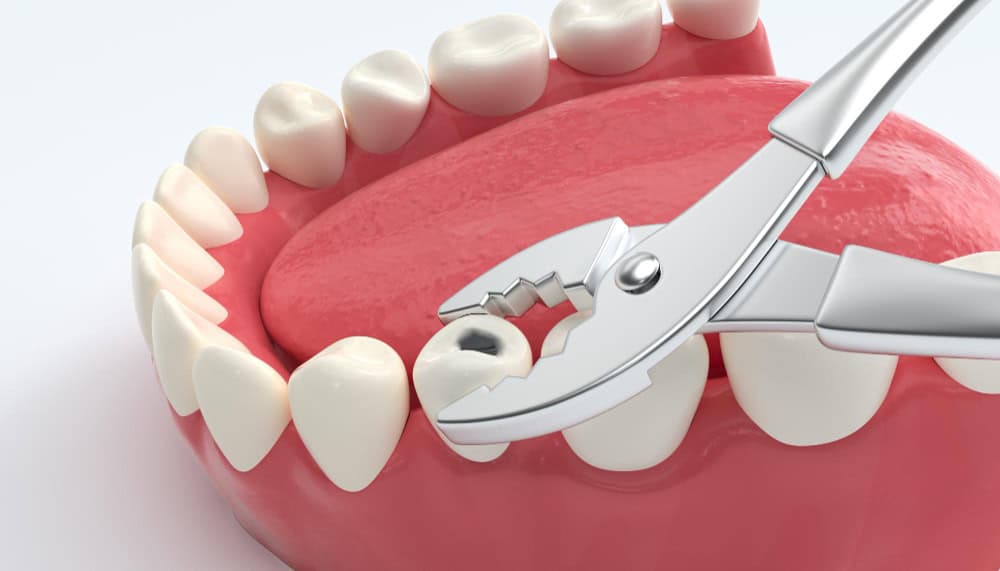
A dental extraction is the removal of a tooth when it is damaged, infected, or cannot be restored. At Prahran Family Dental, we always aim to preserve natural teeth whenever possible and only recommend extraction when necessary.
What is a Dental Extraction?
It is the process of removing a tooth or its fragment from the mouth.
Dental extraction is needed when a tooth is infected, heavily decayed, destroyed or broken from trauma.
Even though dental extraction might be one of the favoured treatment options for a toothache for many people, dentists at Prahran Family Dental try to avoid extractions unless absolutely necessary.
We encourage regular dental check-ups to detect dental problems early and avoid tooth extractions.
Whenever a dental extraction is needed, dentists at Prahran Family Dental aim to perform it as smoothly and painlessly as possible so the experience is more comfortable for you

When is a Dental Extraction needed?

Tooth Infection
Dental Abscess
Dental Trauma
Irreversibly inflamed dental nerve (pulp)
Prior to orthodontic treatment (braces)
Impacted tooth
Ways to Save Your Teeth
Once a tooth is removed, it cannot be replaced naturally. That’s why we always explore options to save your tooth whenever possible.
Early treatment prevents extraction
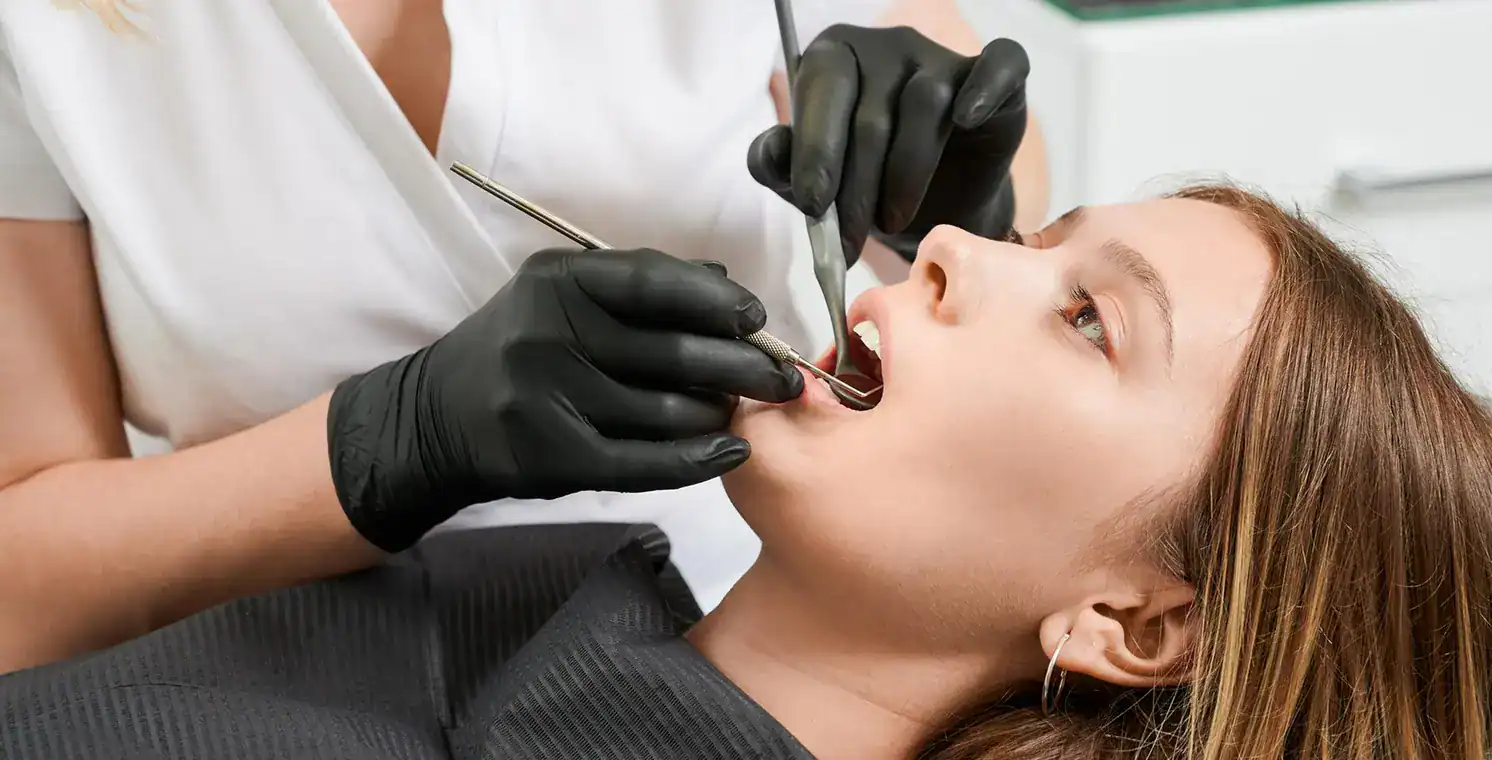
Regular check-ups help detect problems early
Root canal treatment can save infected teeth
Tooth Replacement Options
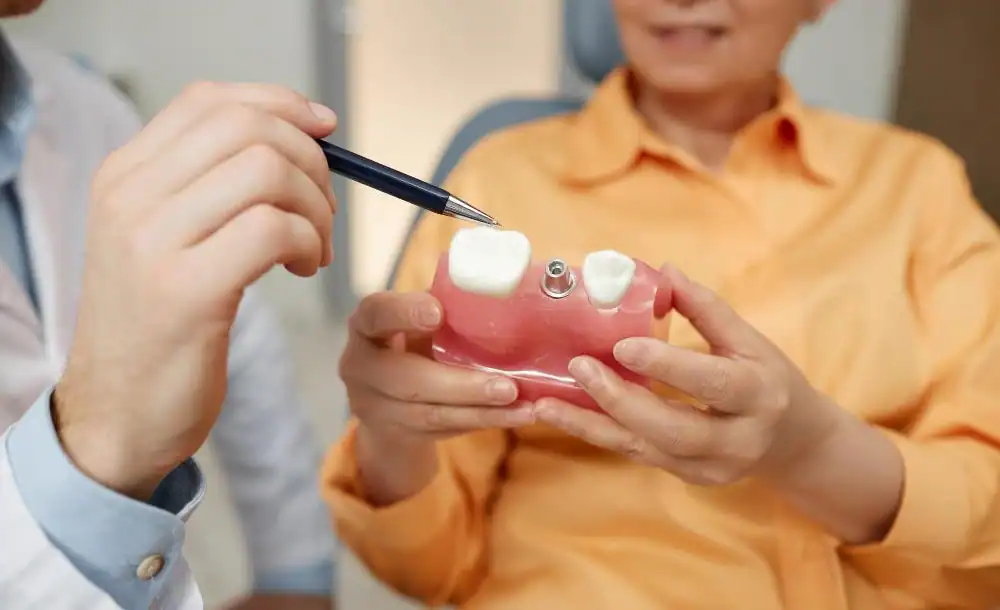
Tooth Replacement Options
Removable option to replace missing teeth
Dental Bridge
Fixed solution using adjacent teeth
Dental Implant
Long-term solution replacing tooth root
Pros
- Removes infection and pain
- Prevents spread of dental issues
- Improves oral health
Cons
- Permanent loss of natural tooth
- May require replacement treatment
- Healing time required
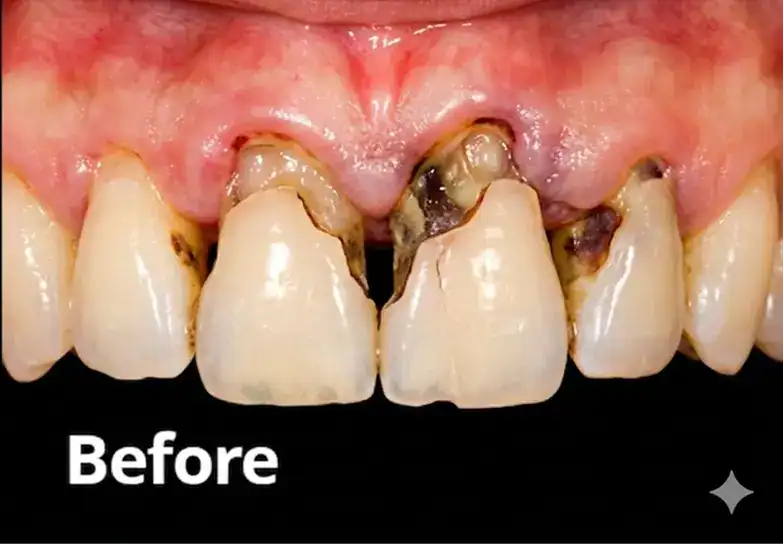
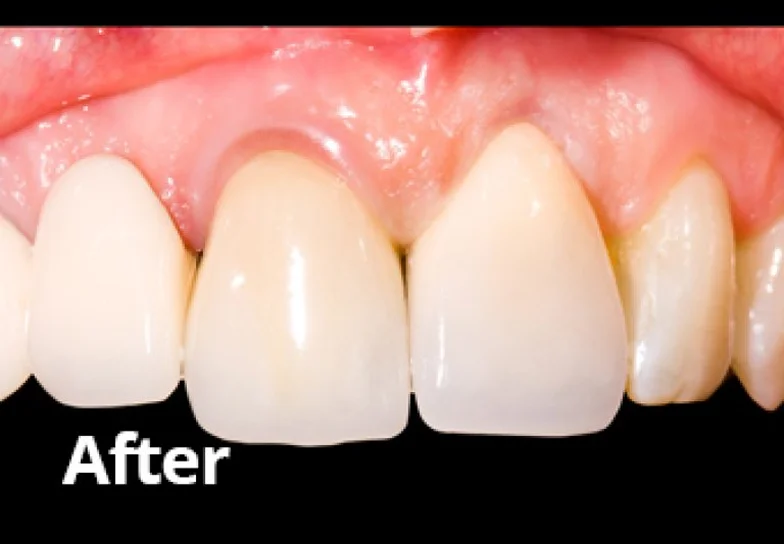
Real Results: Before & After
Witness the transformative power of our Precision-Crafted dental Extractions
Why Choose Prahran Family Dental for Dental Extractions
Saving teeth comes first
Removing a tooth is only recommended when it cannot be saved, such as when it is severely decayed, broken or causing crowding. Dr Jun will always look at whether the tooth can be repaired before suggesting extraction.
Comfortable, gentle treatment
Extractions are carried out under local anaesthetic so the area is fully numb and the procedure is comfortable. We work carefully and check in with you throughout.
Clear aftercare guidance
Good healing starts with knowing what to do at home. We give you simple, written aftercare advice so you can look after the area and reduce the risk of complications such as dry socket.
Replacement options discussed
After a tooth is removed you may wish to replace it. Dr Jun can talk you through options such as an implant, a bridge or a denture, so you can plan the next step when you are ready.
On-the-spot health fund claiming
We are a HICAPS-friendly practice, so if you have dental extras cover you can claim on the spot and only pay any gap. Our team is happy to explain your options beforehand.
Frequently Asked Questions
Will having a tooth out hurt?
The area is numbed with local anaesthetic, so you should feel pressure but not pain during the extraction. Any tenderness afterwards is usually mild and can be managed with the advice we provide.
What is the difference between a simple and a surgical extraction?
A simple extraction removes a tooth that is fully visible in the mouth, while a surgical extraction is used when a tooth is broken at the gum line or not fully through. Dr Jun will assess your tooth and advise which approach is needed.
How long does it take to heal?
The gum usually feels much better within a few days, and the socket continues to heal over the following weeks. Healing times vary from person to person, so Dr Jun will advise what to expect in your case.
How do I avoid dry socket?
Dry socket can occur if the healing blood clot is disturbed. To help avoid it, follow our aftercare advice, avoid smoking, do not rinse vigorously and steer clear of straws for the first few days.
Can I replace the tooth after it is removed?
Yes, in most cases the tooth can be replaced once the area has healed. Dr Jun can discuss options such as an implant, bridge or denture and help you decide what suits your situation.