
A chipped tooth is one of the more common dental injuries, and it can happen in an instant — biting into something hard, a knock during sport, or a fall. This article covers what to do straight after it happens, the different repair options, and how a dentist decides which one is right for you.
Common Causes of a Chipped Tooth
Teeth can chip for a range of reasons, including:
- Biting down on hard foods, ice, or objects like pens
- A blow to the face during sport or a fall
- Grinding or clenching, which gradually weakens enamel
- Existing decay or a large filling that has left the tooth more brittle
A tooth doesn't need to be visibly weak beforehand. Even healthy teeth can chip under enough force.
What to Do Immediately After Chipping a Tooth
If you chip a tooth, the following steps can help manage the situation until you're seen:
- Rinse your mouth gently with warm water
- If a piece of tooth has broken off, keep it in a small container with milk or your own saliva
- If there is bleeding, apply gentle pressure with clean gauze
- If the edge feels sharp against your cheek or tongue, you can temporarily cover it with sugar-free gum or dental wax
- Avoid chewing on that side of your mouth
- Contact your dentist as soon as you can, particularly if there's pain or sensitivity to hot and cold
A chipped tooth is a clinical situation worth acting on promptly, rather than waiting to see if it settles on its own.
How Severe Is the Chip?
Not all chips are the same, and the extent of the damage affects both symptoms and treatment.
Minor chips
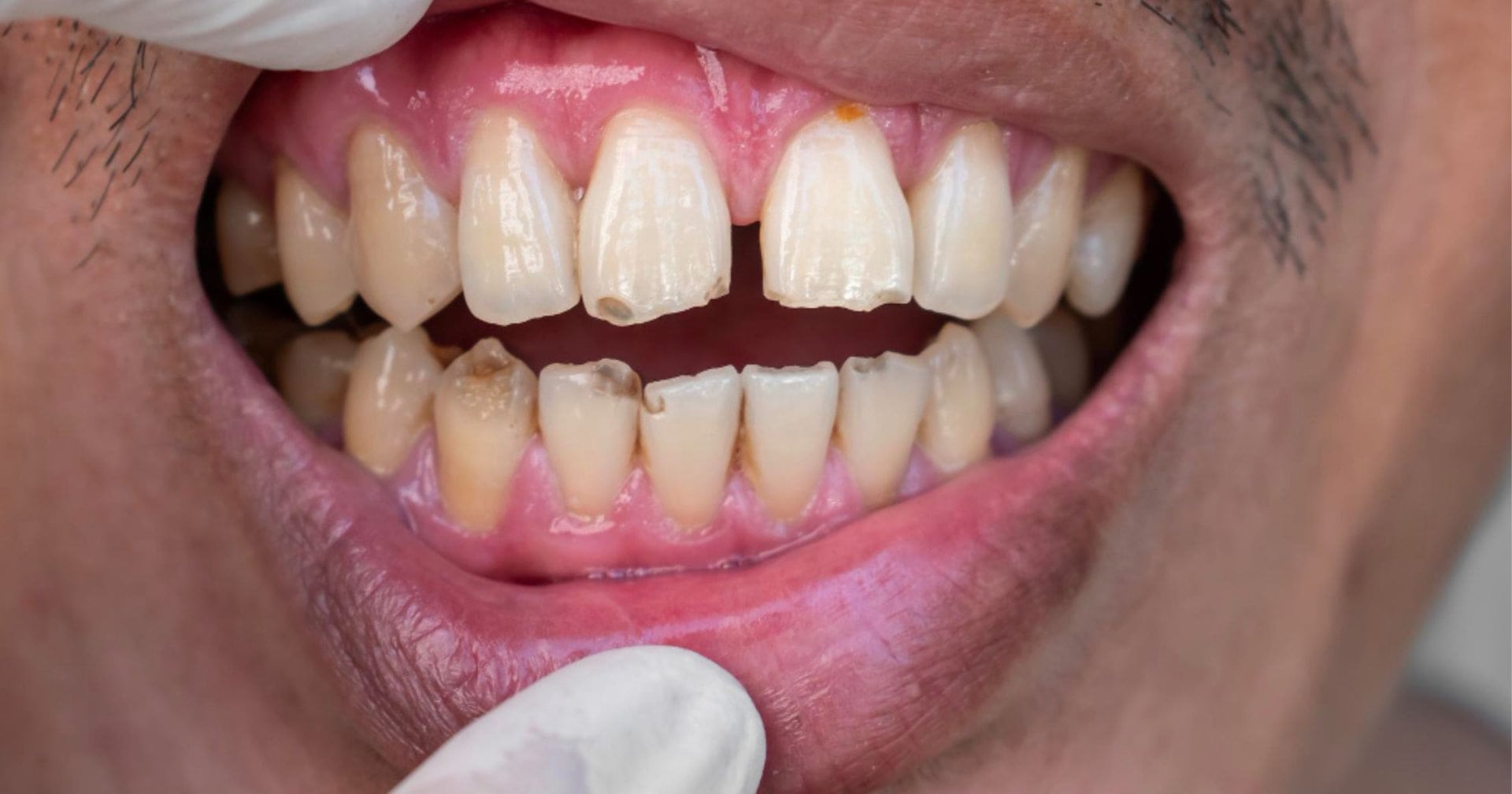
These usually only affect the outer enamel. There may be little to no sensitivity, but the edge can still feel rough or catch on your tongue.
Moderate chips
These extend into the dentine layer beneath the enamel. Sensitivity to temperature or sweet foods is common at this stage.
Severe chips
These reach the nerve (pulp) inside the tooth. This can cause noticeable discomfort and increases the risk of infection if left untreated.
How a Chipped Tooth Is Repaired
Several repair options exist, depending on the size, location and depth of the chip.
Dental Bonding
A tooth-coloured composite resin is applied to rebuild the missing part of the tooth and shaped to match its original form. Bonding is generally suited to smaller chips. It's less resistant to staining and wear than some other options, and may need to be reviewed or touched up over time.
Porcelain Veneer
For chips affecting a front tooth where appearance is a priority, a thin porcelain shell can be fitted over the visible surface. This involves removing a small amount of enamel to prepare the tooth, so it's not reversible.
Dental Crown
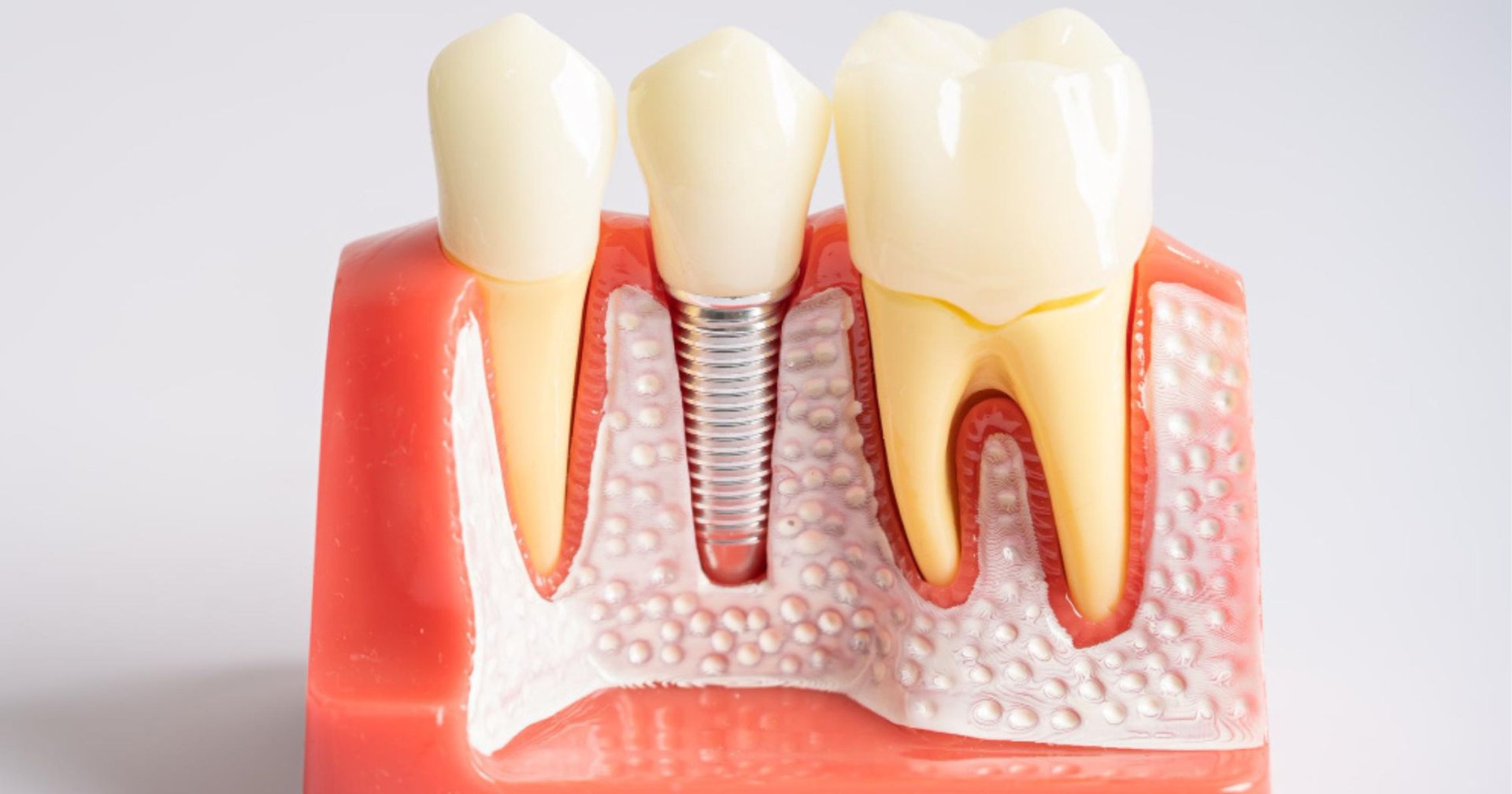
For more extensive chips, a crown covers the whole visible portion of the tooth. This requires removing more of the natural tooth structure than bonding or a veneer, and some temporary sensitivity afterwards is common.
Root Canal Treatment Followed by a Crown
If the chip has exposed the nerve, root canal therapy may be needed before the tooth is restored with a crown. This addresses infection risk and protects the remaining tooth structure.
Results vary between patients, and the right option depends on factors an examination can assess directly.

What Determines the Right Repair Option
A dentist will generally consider:
- The size and depth of the chip
- Whether the nerve is involved
- The tooth's position and how much bite force it takes
- Your aesthetic priorities, particularly for front teeth
Two chips that look similar can need different treatment depending on what's happening beneath the surface, which is why this is a decision best made following an examination rather than self-diagnosis.
Can a Chipped Tooth Get Worse If Left Untreated?
An untreated chip can be vulnerable to further cracking under normal biting pressure, and if the nerve is exposed, the risk of infection increases over time. Sensitivity can also persist or worsen. Having a chip assessed promptly allows a dentist to address it before it becomes a larger problem.
Frequently Asked Questions
Is a chipped tooth a dental emergency? It depends on the severity. A minor chip with no pain can usually wait for a routine appointment. A chip with bleeding, visible nerve exposure, or significant pain should be seen promptly.
Does chipped tooth repair hurt? Local anaesthetic is used to manage discomfort when needed during treatment. Individual experiences vary.
How long does a repair like bonding last? This depends on the individual, the size of the repair, and habits like grinding or biting hard foods. Your dentist can discuss what to expect for your specific repair during a consultation.
Can a chipped tooth be prevented? A properly fitted mouthguard during sport, avoiding chewing on ice or hard objects, and treating teeth grinding can all reduce the risk.
Chipped Tooth Treatment in Prahran
If you've chipped a tooth, an examination is the only way to confirm the extent of the damage and the right repair option.
At Prahran Family Dental, we see patients from Prahran, Windsor, South Yarra, Toorak and Armadale.
Call (03) 9533 2288 or book online. Visit us at Shop 7, 180 Commercial Road, Prahran (opposite Prahran Market).
Any surgical or invasive procedure carries risks. Before proceeding, consider seeking a second opinion from an appropriately qualified health practitioner.