
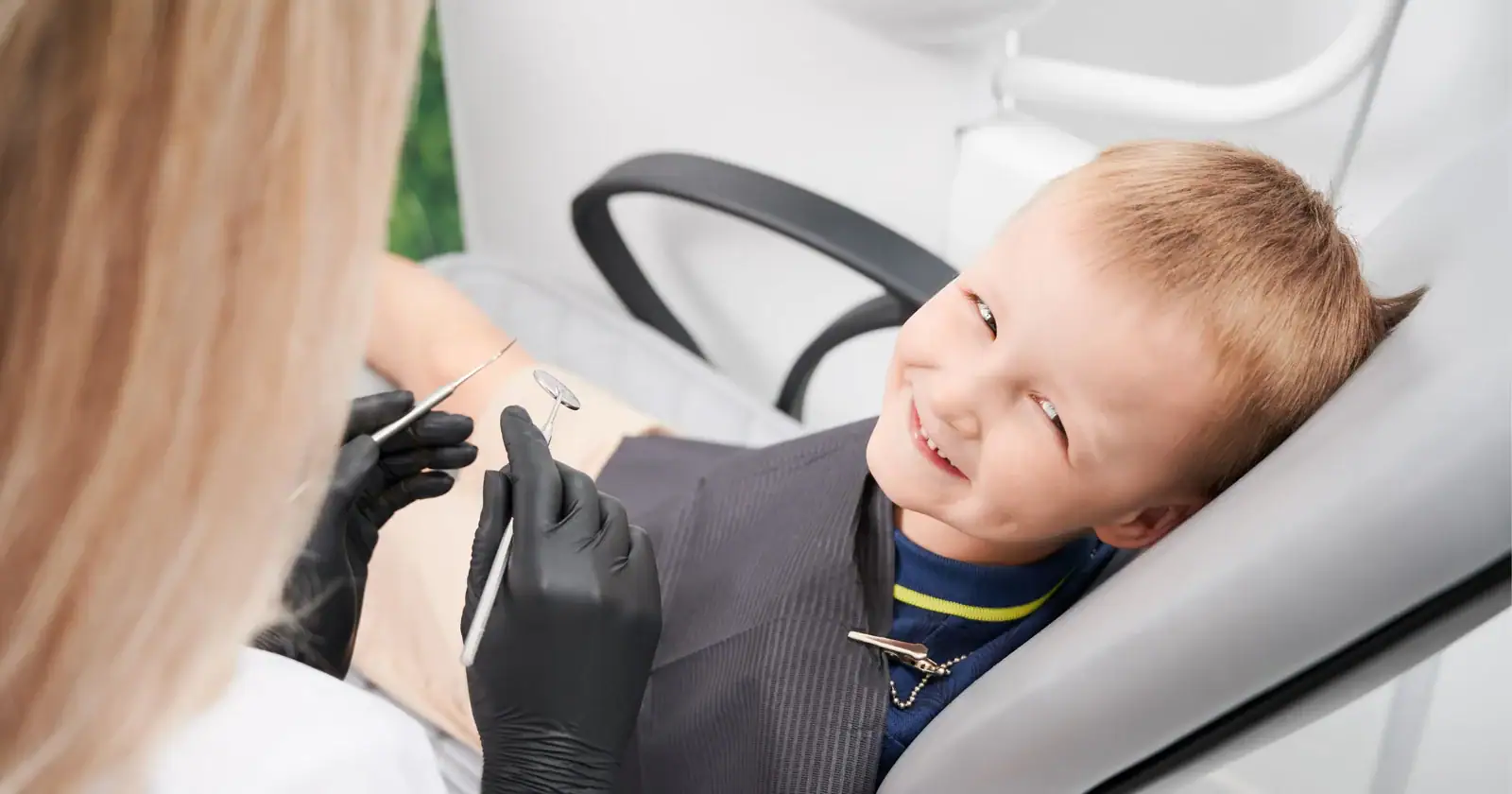
Molars aren’t flat. Their tops are ridged and creased, and those narrow creases, known as fissures, can hold on to plaque even after brushing. Fissure sealants are a preventive option aimed at exactly those spots. Dental fissure sealants can lower the risk of decay in the areas they cover, though not on the rest of the tooth.
This guide explains how fissure sealants work, who they may suit, their limitations, and how the CDBS relates to them. It’s general information, not a diagnosis. Only a dentist who examines the teeth can say whether sealants suit a particular tooth.
What Are Fissure Sealants?
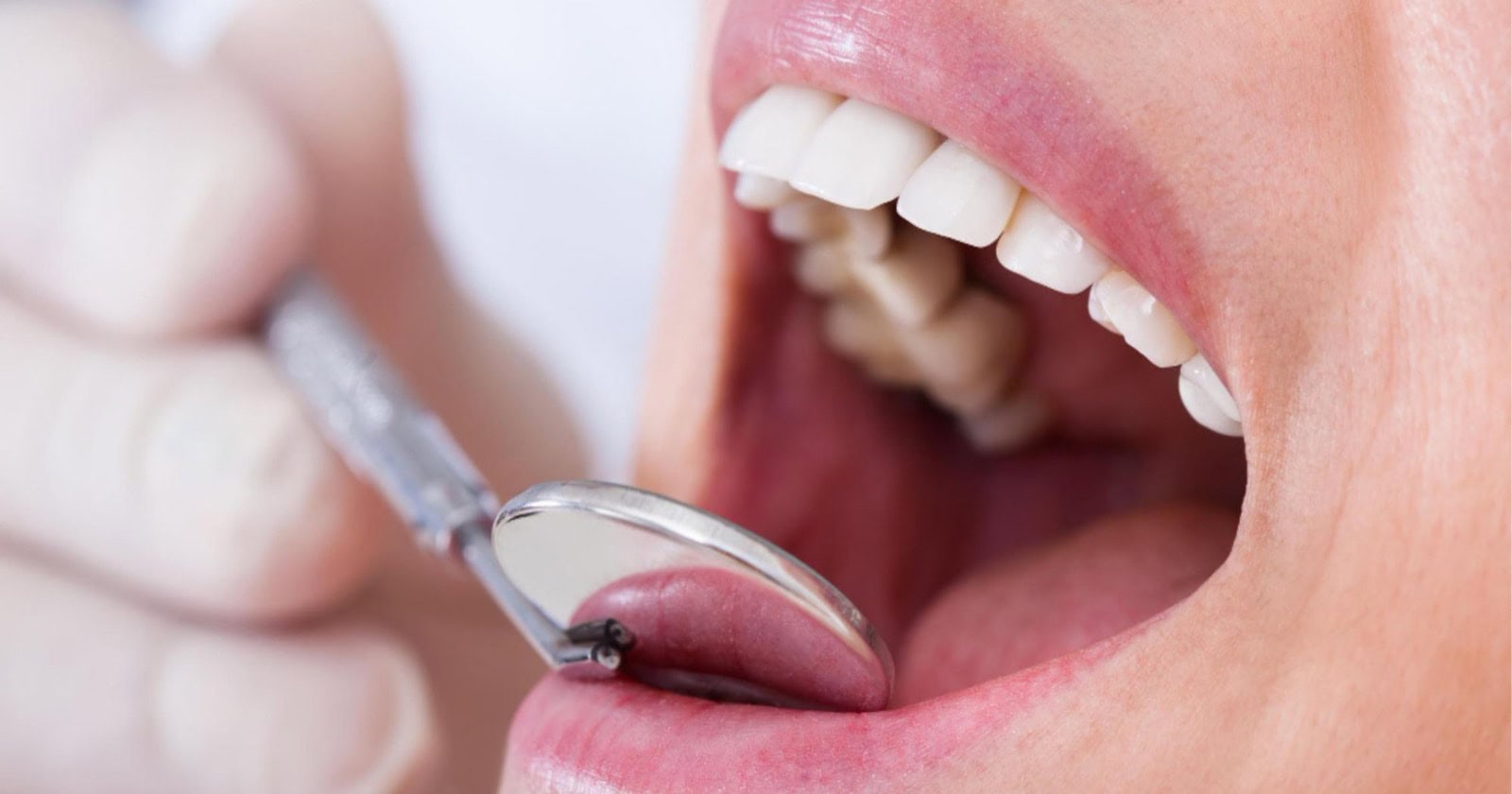
Fissure sealants are a thin coating of dental resin or a similar material, painted onto the chewing surface of a tooth and then set. Back teeth have natural grooves, called pits and fissures. Pit and fissure sealants fill and cover those grooves so they’re smoother and easier to clean.
Brushing is important, but a toothbrush bristle can’t always reach the bottom of a narrow groove. That’s why decay often starts there.
Fissure Sealants for Kids
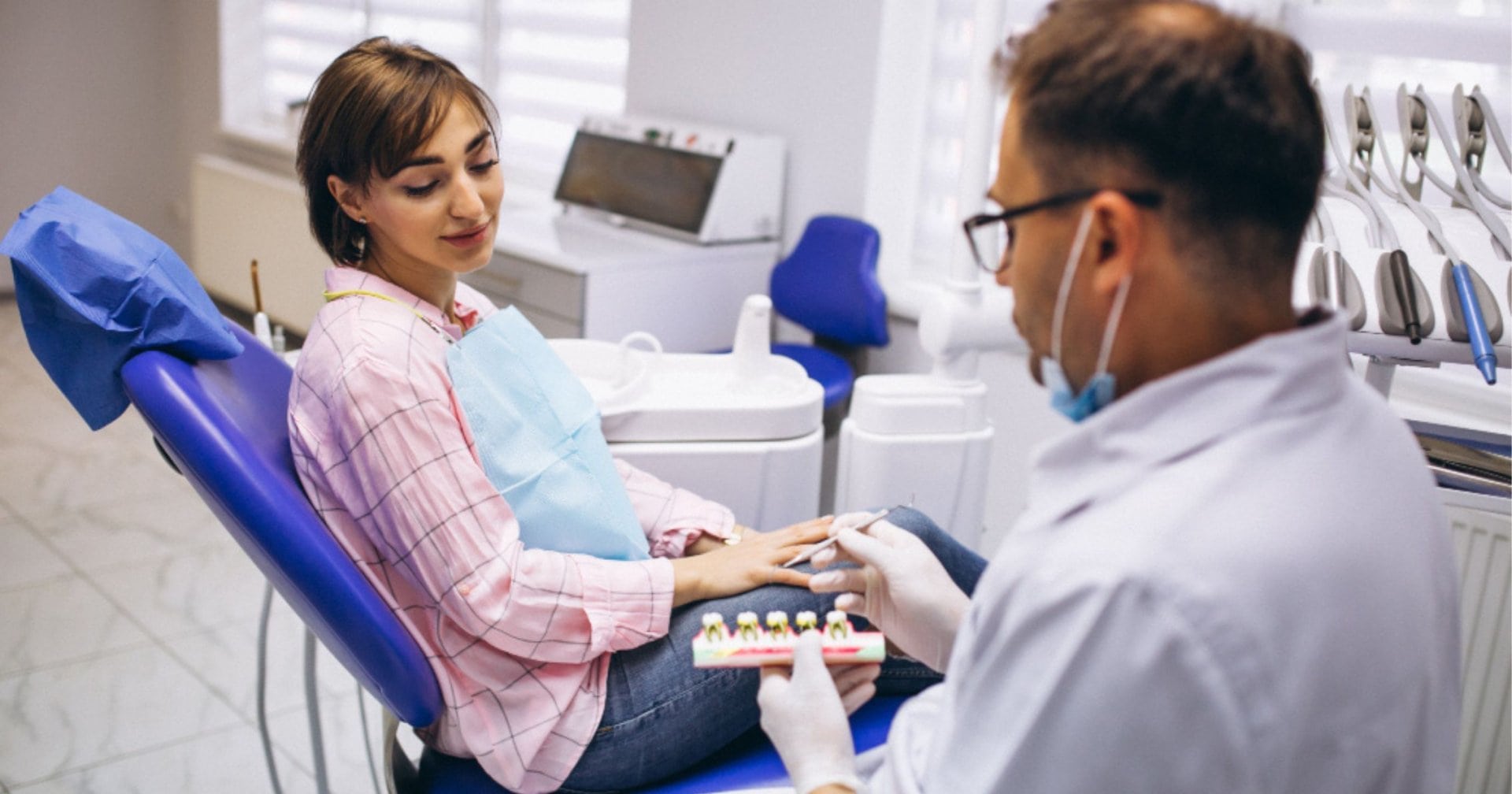
Fissure sealants for kids are most often considered when the permanent back teeth come through, which typically happens between about six and twelve years of age. Newly erupted molars have deep grooves, and children can find them hard to clean well.
Whether sealants are suggested depends on the child, not just their age. Your dentist may consider:
- How deep the grooves are
- How well the teeth are being cleaned
- Your child’s history of decay
- Diet and other risk factors
- Whether the tooth is healthy enough to be sealed
Not every child needs sealants, and they’re one part of a broader approach that includes brushing, fluoride toothpaste, a healthy diet and regular check-ups.
Applying a sealant means keeping the tooth clean and dry for a short period, which can be harder for young or nervous children. Your dentist will advise whether it’s the right time for your child.
Fissure Sealants for Adults
Sealants are used less often in adults, but they can sometimes be considered, for example, when a tooth has deep grooves and no decay or filling. Many adult teeth already have fillings or wear on the chewing surface, which can make sealants unsuitable.
Your dentist can tell you whether sealing makes sense for your teeth.
Which Teeth Are Fissure Sealants Used On?
Sealants are used on the chewing surfaces of back teeth, mainly the molars and sometimes the premolars. They only protect the surface they cover. They don’t cover the sides of teeth or the spaces between them.
How Fissure Sealants Are Applied
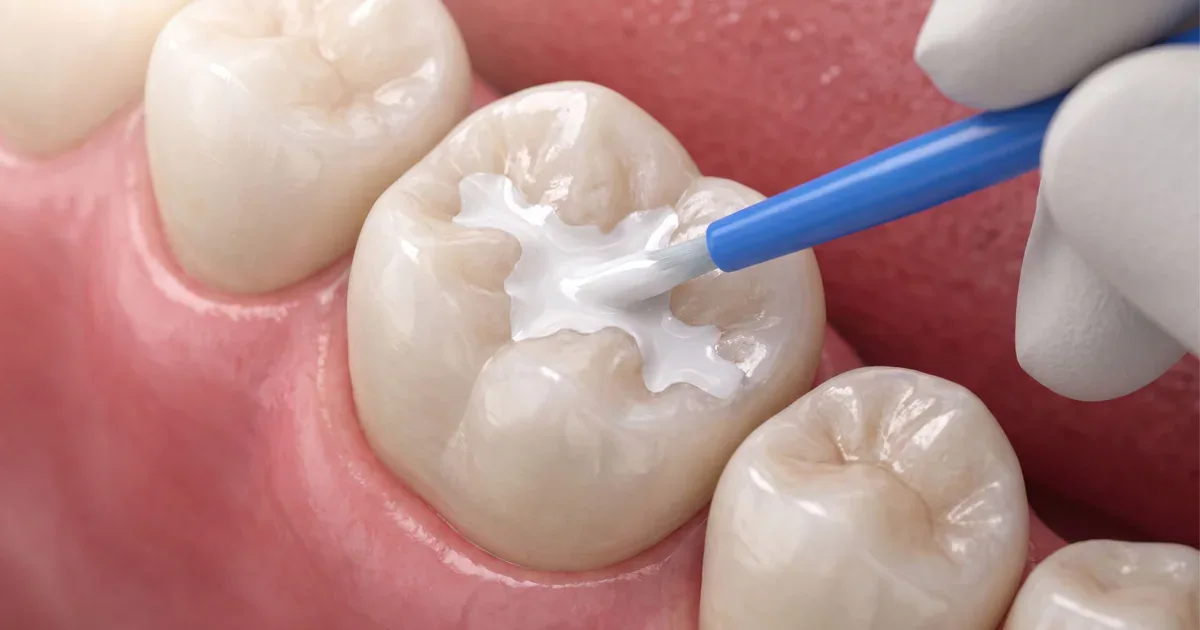
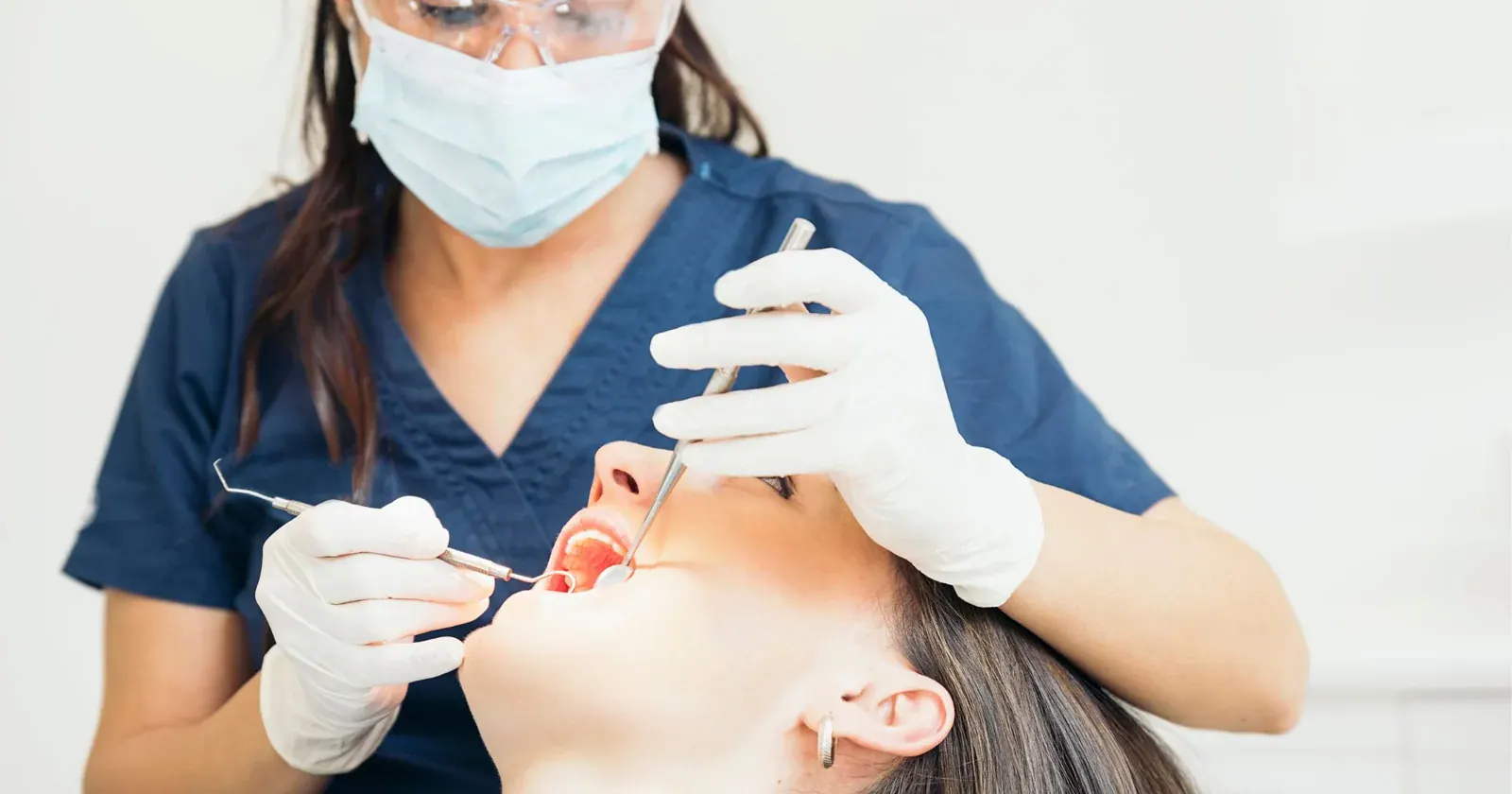
The process is generally straightforward, though your dentist will explain what’s involved for your child or for you.
- Examination. The dentist checks the tooth and decides whether it’s suitable. A tooth with existing decay needs other treatment.
- Cleaning. The chewing surface is cleaned and rinsed.
- Preparation and drying. The surface is prepared so the sealant bonds to it, and the tooth is kept dry.
- Application. The sealant is painted onto the grooves and set, usually with a special light.
- Check. The dentist checks the sealant and how your teeth bite together.
Applying a sealant doesn’t usually involve removing tooth structure. Experiences vary between patients, and children who are nervous can tell their dentist so the pace can be adjusted.
What Fissure Sealants Can and Can’t Do
A sealant can help reduce the risk of decay on the surface it covers by keeping plaque and food out of the grooves. It reduces risk. It doesn’t eliminate it.
A sealant doesn’t:
- Protect the sides of teeth or the spaces between them.
- Replace brushing, fluoride toothpaste or a healthy diet
- Make a tooth immune to decay.
- Fix decay that’s already there.
Fissure Sealant Disadvantages and Limitations
Sealants are widely used, but they have limits, and it’s worth knowing them before deciding.
- They can chip, wear or come off. A sealant that’s chipped or lifted needs checking and may need repair or replacement.
- They only cover part of the tooth. Decay can still develop on uncovered surfaces.
- They need a clean, dry tooth. If saliva reaches the surface while it’s applied, the sealant may not bond as well, which can be harder with young children.
- Decay under a sealant is possible. Dentists check the tooth first, but small areas of decay can be hard to see, and a sealant that has failed can let plaque in.
- They’re not suitable for every tooth. Teeth with decay, shallow grooves or fillings may need a different approach.
- Materials can affect some patients. Tell your dentist about any allergies or sensitivities.
Results vary between patients. Your dentist will explain the benefits and limits for your child or for you.
Looking After Sealed Teeth
Sealed teeth still need brushing twice a day with fluoride toothpaste, cleaning between teeth, and regular check-ups. Your dentist checks sealants at routine visits and can tell you if one needs attention.
Contact your dentist if a sealant feels rough or sharp, if a piece has come off, or if a tooth becomes sensitive.
Fissure Sealants and the CDBS
The Child Dental Benefits Schedule (CDBS) is a Medicare-linked scheme for eligible children aged 0 to 17. Services Australia lists fissure sealing among the basic dental services the scheme covers, subject to eligibility and the scheme’s rules.
Eligibility is assessed automatically by Services Australia, and there’s no separate application. What applies to your child depends on their eligibility, their needs and their remaining balance. We can check your child's eligibility and balance when you book.
Frequently Asked Questions
Does every child need fissure sealants?
No. Whether sealants are suggested depends on your child’s teeth, their decay risk and how well the grooves can be cleaned. A dentist decides after an examination.
Can fissure sealants stop cavities completely?
No. They can help reduce the risk of decay on the surfaces they cover, but they don’t protect the rest of the tooth, and they don’t replace good cleaning, fluoride and regular check-ups.
How long do fissure sealants last?
There’s no fixed time. Sealants can wear, chip or come off, and how long they stay in place varies between patients. Your dentist checks them at routine visits and can repair or replace them if needed.
Do fissure sealants hurt?
Applying a sealant doesn’t usually involve removing tooth structure, and experiences vary between patients. If your child is nervous, tell the dentist so they can adjust the approach.
Can adults have fissure sealants?
Sometimes. Sealants can be considered for adult teeth with deep grooves and no decay or fillings, though it’s done less often. Your dentist can advise.
Does the CDBS cover fissure sealants?
Services Australia lists fissure sealing among the basic dental services the CDBS covers for eligible children, subject to the scheme’s rules. We can check your child’s eligibility and balance when you book.
What if a sealant chips or comes off?
Contact your dentist. They can check the tooth and, if suitable, repair or replace the sealant.
Book a Dental Check-up for Your Child in Prahran
If you’d like your child’s teeth looked at, a check-up is the next step. The dentist can examine their teeth, talk through what preventive care suits them, and answer your questions before you decide anything. You can also read about children’s dentistry at our practice, or our guide to your child’s first dental visit.
At Prahran Family Dental, we see patients from Prahran, Windsor, South Yarra, Toorak, and Armadale. Call us on (03) 9533 2288 or book online. Visit us at Shop 7, 180 Commercial Road, Prahran VIC 3181.
Sources: Services Australia. “Child Dental Benefits Schedule.” servicesaustralia.gov.au.
Any surgical or invasive procedure carries risks. Before proceeding, consider seeking a second opinion from an appropriately qualified health practitioner.