

Gum disease treatment is not one single procedure, because it changes across the stages of gum disease. What your dentist recommends depends on the stage your gum disease has reached, and the steps, the number of visits and the outlook all change as it advances.
This guide walks through treatment stage by stage, from gingivitis to advanced periodontitis. It explains how the stage is worked out, what happens at your appointments, why maintenance matters, and what treatment can and cannot do. It ends with what to bring to your gum health check.
Treatment for gum disease manages the condition and aims to slow its progress. Gingivitis can generally be managed with professional care and good home care. Periodontitis is managed, not cured.
This article is general information only. It is not a diagnosis. For symptoms and causes, see our article on what causes bleeding gums and when you should worry. Our gum disease treatment page gives an overview of care at Prahran Family Dental.
Gingivitis vs Periodontitis: What is the Difference?
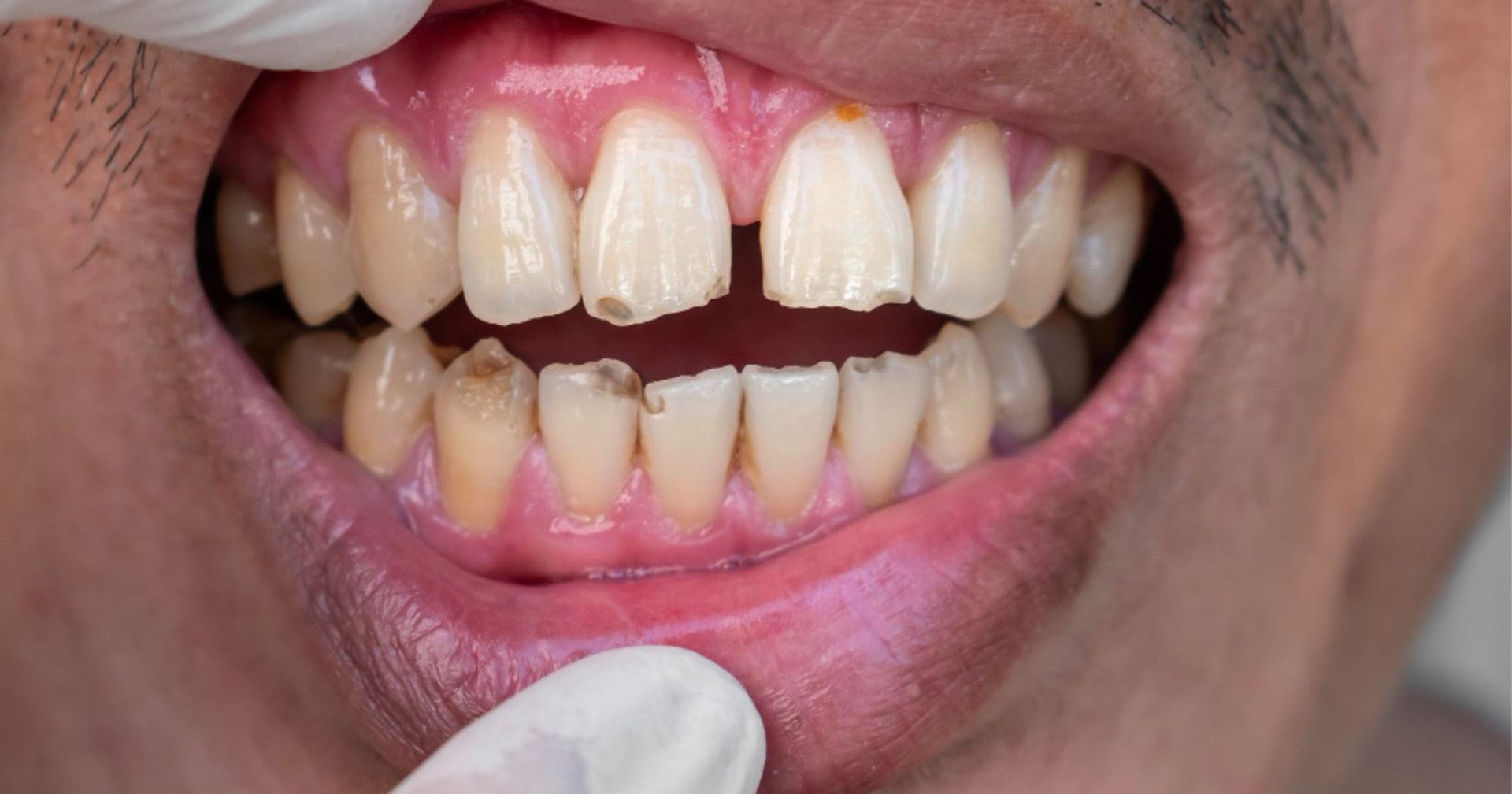
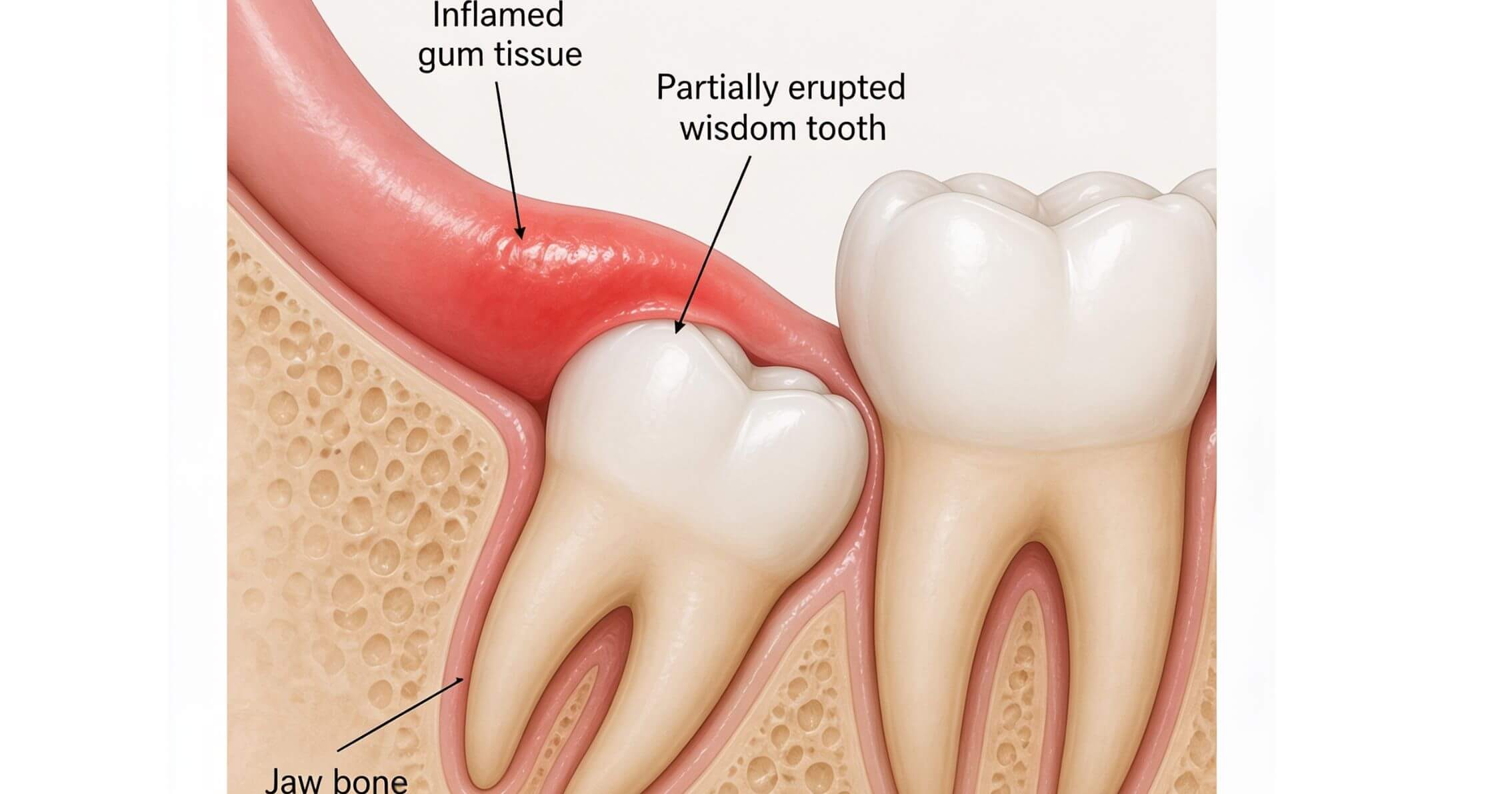
Gingivitis is inflammation of the gums. The gums may look red or swollen and bleed easily, but the bone and tissue holding the teeth in place have not been damaged.
Periodontitis is what can happen if inflammation continues. Pockets may form between the gums and teeth, allowing bacteria to accumulate beneath the gumline. Over time, the supporting bone may also be lost.
The difference matters because the treatments differ. Gingivitis is generally managed with a professional clean and good daily care. Periodontitis needs deeper cleaning and ongoing maintenance, and damage to the supporting bone does not usually reverse.
How Your Dentist Works Out The Stage
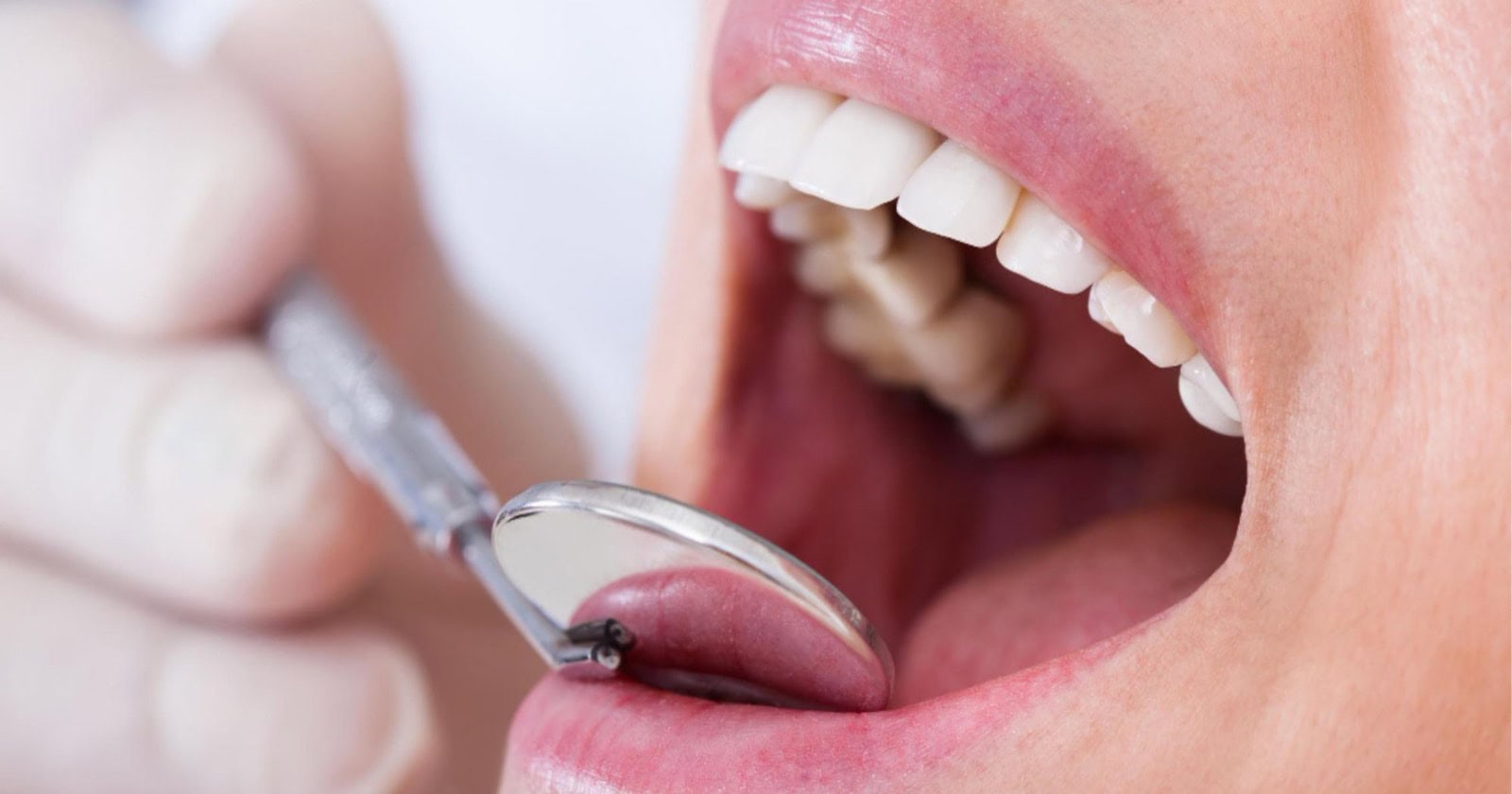
You cannot tell the stage from your gums alone, so your dentist will examine them. This usually involves:
- Asking about your medical history, habits and symptoms.
- Checking your gums for redness, swelling, bleeding and recession.
- Measuring the depth of the pockets around each tooth with a small probe.
- Taking X-rays, where appropriate, to see how much supporting bone remains.
- Checking whether any teeth are loose.
The results guide which treatment is recommended. They also give a baseline, so your dentist can tell later whether your gums are responding.
Treatment at Each Stage of Gum Disease
Stages are not always clear-cut, and different parts of your mouth can be at different stages. These descriptions are general.
Gingivitis
At this stage, treatment is usually a professional scale and clean. Plaque and tartar are removed from the teeth and along the gumline, and the teeth are polished.
Your dentist or hygienist will also look at how you brush and clean between your teeth, and may suggest changes. A follow-up visit checks whether the gums have settled. With consistent care, gingivitis can generally be managed.
Early periodontitis
Here, small pockets have started to form, and some bone loss may show on X-rays. A routine clean is often not enough, because the deposits are beneath the gumline.
Your dentist may recommend scaling and root planing, also called root debridement. This is a deeper clean that removes plaque and tartar from below the gumline and smooths the root surfaces. Local anaesthetic may be used to manage discomfort, and individual experiences vary. A review visit re-measures the pockets to see how the gums have responded.
Moderate periodontitis
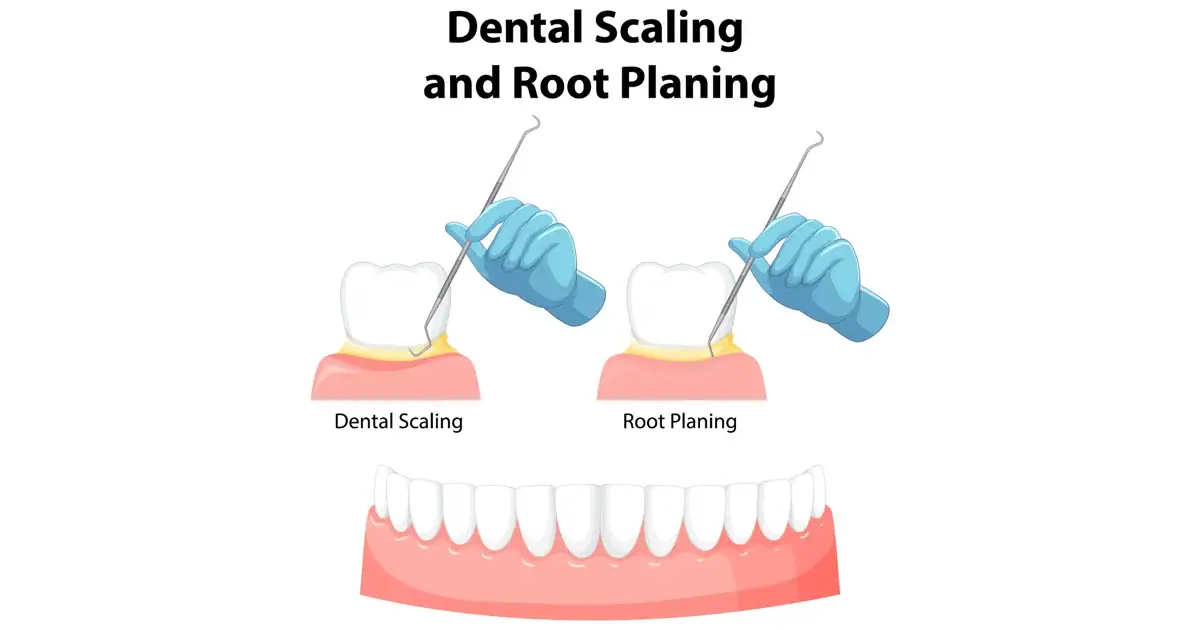
At this stage, pockets are deeper, more bone has been lost, and the gums may be receding. Teeth may start to feel slightly loose.
Treatment usually centres on scaling and root planing, which may need more than one visit and may be done one section of the mouth at a time. After treatment, your dentist re-checks the pockets. If some remain deep, further cleaning or other options may be discussed. In some cases, your dentist or doctor may suggest additional products as part of your care.
You will also move onto a maintenance schedule, which becomes a long-term part of managing the condition.
Advanced periodontitis
In advanced disease, there is significant bone loss, deep pockets and often loose or shifting teeth. Deep cleaning is still the starting point, but it may not reach all affected areas.
Where deep pockets persist, your dentist may discuss surgical treatment. This involves gently lifting the gum to clean the roots and bone directly, and then stitching it back. Your dentist can assess your gum health, explain the available treatment options, and discuss whether a referral to a periodontist may be appropriate.
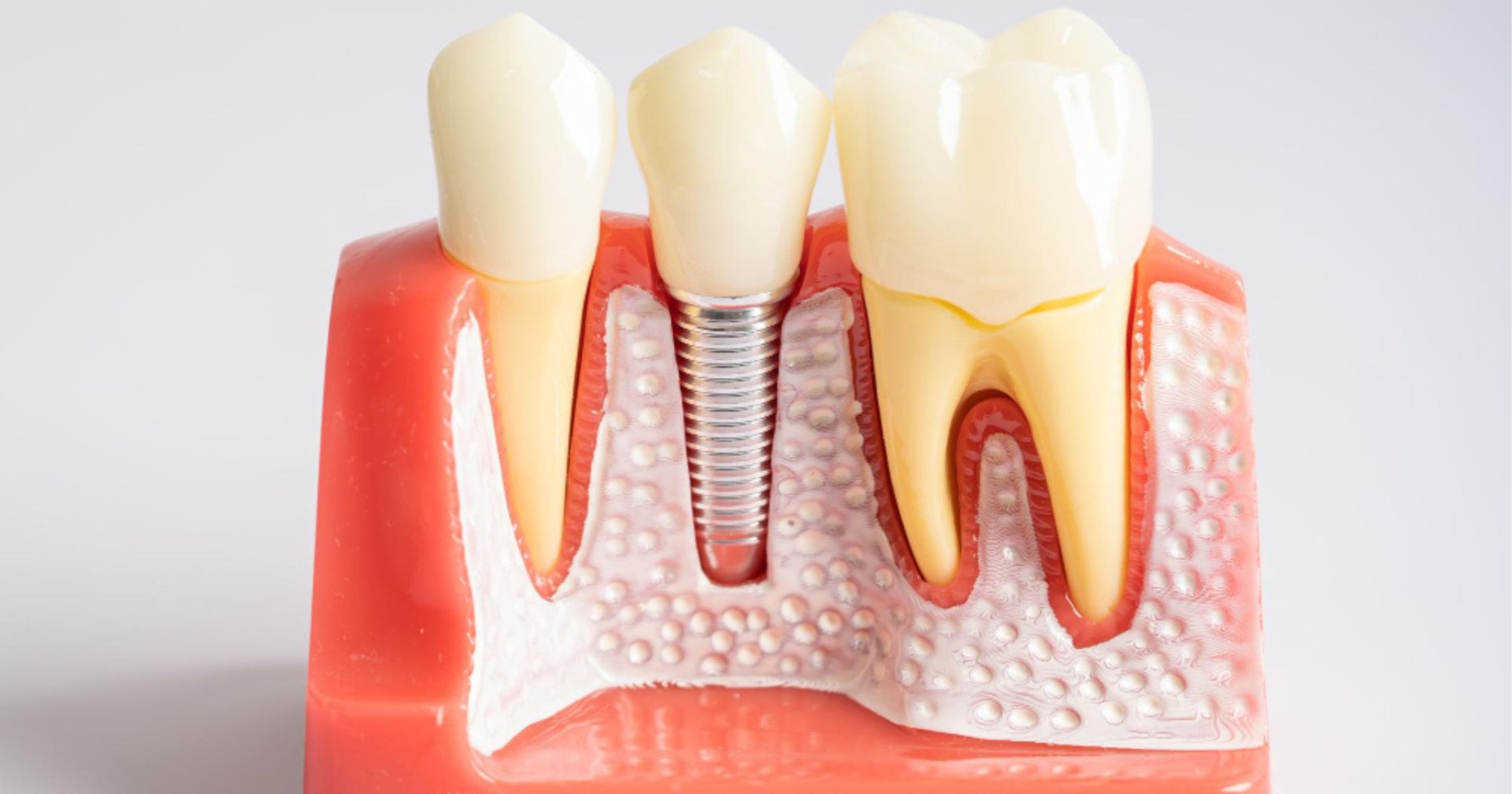
In some cases, a tooth cannot be maintained, and your dentist will discuss removing it and the options for replacing it. The aim of treatment at this stage is to slow progression and keep teeth where possible. No outcome can be guaranteed.
What to Expect at Your Appointments
Every case differs, but treatment often follows this pattern.
- Assessment. Your gums are examined, pockets measured, and X-rays taken where appropriate. You discuss the findings and options.
- Treatment visits. Depending on the stage, this is a scale and clean, or deep cleaning over one or more visits. Your gums may be numbed for deep cleaning.
- Aftercare. Your gums may feel tender, bleed a little or be sensitive for a time. Your dentist will give you advice for cleaning and eating.
- Review. A follow-up visit re-measures the pockets and checks how your gums have responded.
- Maintenance. Regular visits keep the condition under control.
Periodontal Maintenance: Keeping Gum Disease Under Control
Treatment clears the bacteria that are there at the time, but the bacteria that cause gum disease stay in the mouth. If plaque builds up again, the disease can return or progress.
Periodontal maintenance is how this is managed over time. Visits are set by your dentist, usually more often than routine check-ups for patients with periodontitis. They usually include:
- Re-measuring the pockets and checking for changes.
- A professional clean of the teeth and below the gumline.
- A review of your home care and technique.
- X-rays, where needed.
Between visits, brushing with fluoride toothpaste and cleaning between your teeth every day is what keeps results steady.
What Gum Disease Treatment Can and Cannot Do
Treatment can help control infection and slow the loss of supporting bone. It cannot restore bone that has already gone, and it cannot stop the disease from returning if plaque builds up again.
Things to be aware of:
- Tenderness and sensitivity are common for a time after deep cleaning, and gums may bleed a little.
- Gum recession. As swelling settles, gums can shrink back so that teeth may look longer and gaps may show.
- Uneven results. Some areas may respond well, and others may stay deep, particularly where bone loss is advanced.
- Surgery has its own risks, including infection, bleeding, more recession and numbness.
- Teeth can still be lost in advanced cases, even with treatment.
Results vary between patients. Smoking, other health conditions and how closely home care is followed all influence how well treatment works.
What to Bring to Your Gum Health Check
A few things make the appointment more useful:
- A list of your health conditions and anything you take regularly.
- Any recent X-rays, if you have had them elsewhere.
- Notes on when your gums bleed or feel sore, and for how long.
- A note on whether you smoke or vape.
- Your questions, especially about what treatment would involve and what it would cost.
Gum Disease Treatment FAQs
Can gingivitis turn into periodontitis?
It can, if the inflammation continues and plaque and tartar are not removed. Not everyone with gingivitis develops periodontitis, but a check is worthwhile.
Is deep cleaning the same as a normal clean?
No. A normal clean removes plaque and tartar above and just below the gumline. Deep cleaning goes further below the gumline, usually takes longer, and is often done with local anaesthetic.
Will I lose my teeth?
Tooth loss can happen in advanced gum disease, but it is not inevitable. Treatment aims to slow progression and keep teeth where possible, but no outcome can be guaranteed. Your dentist can talk through what to expect in your case.
How often will I need maintenance visits?
It depends on your stage, how your gums respond and your risk factors. Your dentist will set a schedule for you and adjust it over time.
Book a Gum Health Check in Prahran
Noticed bleeding or sore gums, or been told you may have gum disease? The next step is an examination.
At Prahran Family Dental, your dentist can check your gums, measure your pockets, explain what stage your gum disease has reached and talk through your options before you decide on anything.
Call us on (03) 9533 2288 or contact us online to arrange a gum health check. You can also read about gum disease treatment in Prahran.
We are at Shop 7, 180 Commercial Road, Prahran VIC 3181, opposite Prahran Market, and we welcome patients from Prahran, Windsor, South Yarra, Armadale, Toorak and Malvern.
This article is general information and does not replace advice from a registered dental practitioner. All dental procedures carry risks. Results vary between patients. Ask your dentist whether treatment is appropriate for you.