

A surgical tooth extraction is a different procedure from a standard extraction, used when a tooth can't be lifted out because of how it's positioned, broken, or developed. This guide covers the difference between the two, when a surgical approach is needed, what's involved, and what recovery generally looks like.
Simple vs Surgical Extraction: What's the Difference
When a tooth is fully visible above the gum and can be freed with standard instruments under local anaesthetic, that's generally handled as a simple tooth extraction. A surgical extraction is the more involved path, and it tends to be needed when a tooth has broken off at or below the gumline, hasn't come through fully, or sits at an angle that stops it from coming out in one piece.
This can mean a small cut in the gum tissue, taking away a little surrounding bone where it's in the way, and in some cases splitting the tooth into sections so it can be removed without needing a larger opening. Your dentist usually uses an X-ray beforehand to determine which approach applies to your situation.
When a Surgical Extraction Is Needed
A few situations commonly call for a surgical approach rather than a simple one:
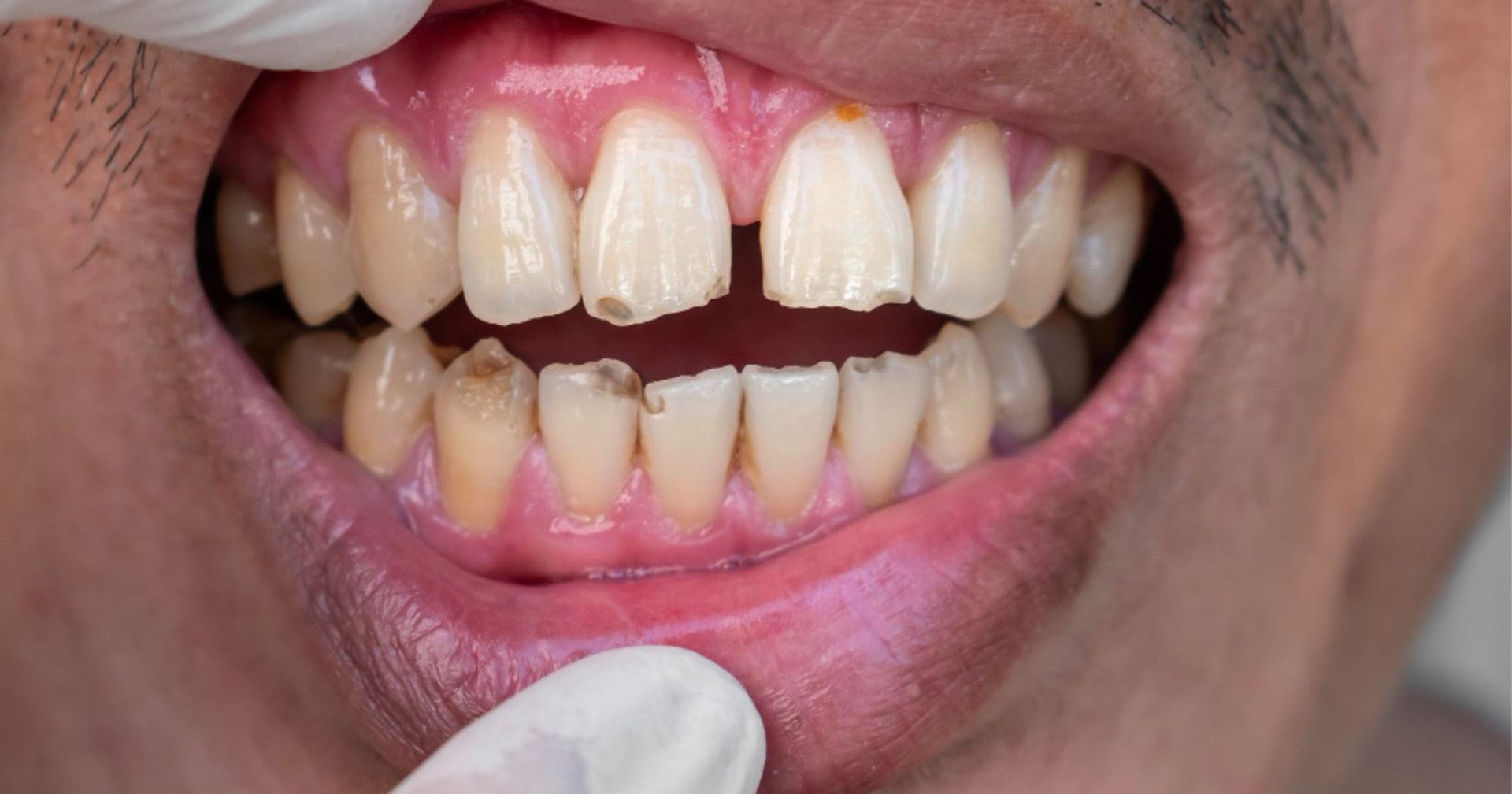
- A tooth that's broken off at or below the gumline, with little or no visible structure to grip.
- A tooth with curved, fused, or unusually shaped roots that won't release with standard technique.
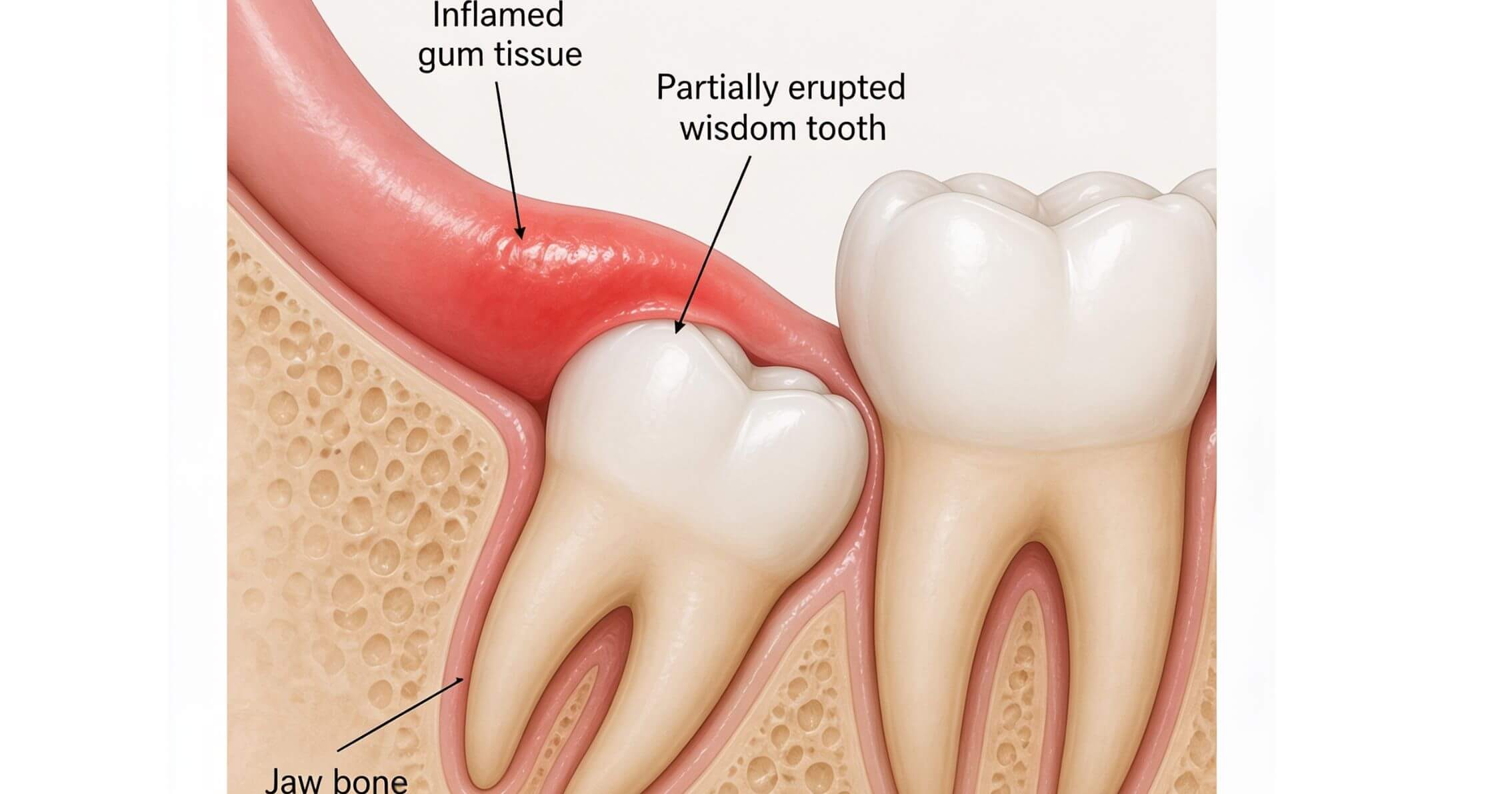
- An impacted tooth that hasn't erupted through the gum, which is one of the more common reasons a surgical extraction is needed, particularly with wisdom teeth.
- A tooth that doesn't come free during an attempted simple extraction, requiring the dentist to shift to a surgical approach partway through.
Surgical Wisdom Tooth Extraction
Wisdom teeth are one of the more frequent reasons for a surgical tooth extraction, since they often don't have enough room to erupt fully and can become impacted against the jawbone or neighbouring tooth. The general surgical steps are the same as for any tooth: assessment, local anaesthetic, and removal via incision, bone adjustment, or sectioning as needed. For a fuller breakdown of impacted wisdom tooth symptoms, the risks of leaving one untreated, and how impaction is diagnosed, see our dedicated guide on impacted wisdom teeth.
What Happens During a Surgical Extraction
The area is numbed with local anaesthetic before anything begins, and your dentist will check you're comfortable before proceeding. Depending on the tooth's position, treatment may involve a small incision in the gum to access it, removal of a small amount of surrounding bone, and sectioning the tooth into pieces if that allows for safer, less invasive removal than taking it out whole.
Stitches are sometimes placed afterwards to help the gum heal, and these may dissolve on their own or need to be removed at a follow-up visit, depending on the type used. Individual experiences of comfort during and after the procedure vary, and no dentist can promise a particular outcome for every case.

Risks and What to Expect
As with any surgical or invasive procedure, a surgical tooth extraction carries risks worth understanding beforehand:
- Swelling and bruising around the treated area and sometimes the surrounding face, which is a normal part of healing but varies in extent between patients.
- Dry socket, where the blood clot protecting the extraction site is lost before healing is complete, generally causing increasing pain a few days after the procedure.
- Nerve involvement, particularly relevant to lower teeth positioned near the nerve running through the jaw, which can result in temporary or, less commonly, longer-lasting altered sensation.
- Infection at the extraction site, despite standard precautions.
- Ongoing discomfort or complications requiring further treatment, in a smaller number of cases.
These risks don't apply to every patient, and your dentist will discuss what's relevant to your specific situation, but there's no guaranteed outcome with any surgical procedure, and it's worth going in with realistic expectations.
Recovery After Surgical Tooth Extraction
Swelling and soreness are generally most noticeable in the first day or two, gradually easing over the following days. A few things commonly help during recovery:
- Sticking to soft, cool foods for the first day or so.
- Avoiding straws, smoking, and vigorous rinsing, particularly in the first 24 to 48 hours, since these can disturb the healing site.
- Taking any pain relief as advised by your dentist.
- Attending a follow-up appointment if stitches need checking or removal.
Recovery time varies between patients depending on the complexity of the extraction and individual healing. If pain increases rather than eases after the first couple of days, or you notice swelling getting worse, it's worth contacting your dentist rather than waiting it out.
Surgical Tooth Extraction in Prahran, Toorak and Armadale
We provide surgical tooth extractions for patients across Prahran and the surrounding suburbs, including Windsor, South Yarra, Toorak, and Armadale. Whether a simple or surgical approach is needed depends entirely on your individual tooth and situation, which is why an assessment comes before any treatment plan is confirmed.
FAQ
What's the actual difference between a simple and a surgical tooth extraction?
A simple extraction is used for a tooth that's fully visible and can be removed with standard technique. A surgical extraction is needed when a tooth is broken at the gumline, hasn't fully erupted, or has roots that won't release easily, and may involve an incision, bone adjustment, or sectioning the tooth.
Does a surgical tooth extraction hurt?
Local anaesthetic is used to numb the area during the procedure, and most patients find discomfort is manageable, though individual experiences vary and some pressure may still be felt. Afterwards, some soreness during healing is expected and generally improves over the following days.
How long does recovery take after a surgical extraction?
This varies between patients and depends on the complexity of the extraction. Swelling and soreness are usually most noticeable in the first couple of days, with healing continuing over the following weeks.
Will I need stitches after a surgical extraction?
Sometimes, depending on the extraction. If stitches are placed, your dentist will let you know whether they're expected to dissolve on their own or need to be removed at a follow-up visit.
Do all wisdom teeth need a surgical extraction?
No. Whether a wisdom tooth needs a surgical or simple approach depends on its position and how much of it has erupted. Some wisdom teeth can be removed with a simple extraction if they're fully through the gum.
What are my options if I need to replace the tooth afterwards?
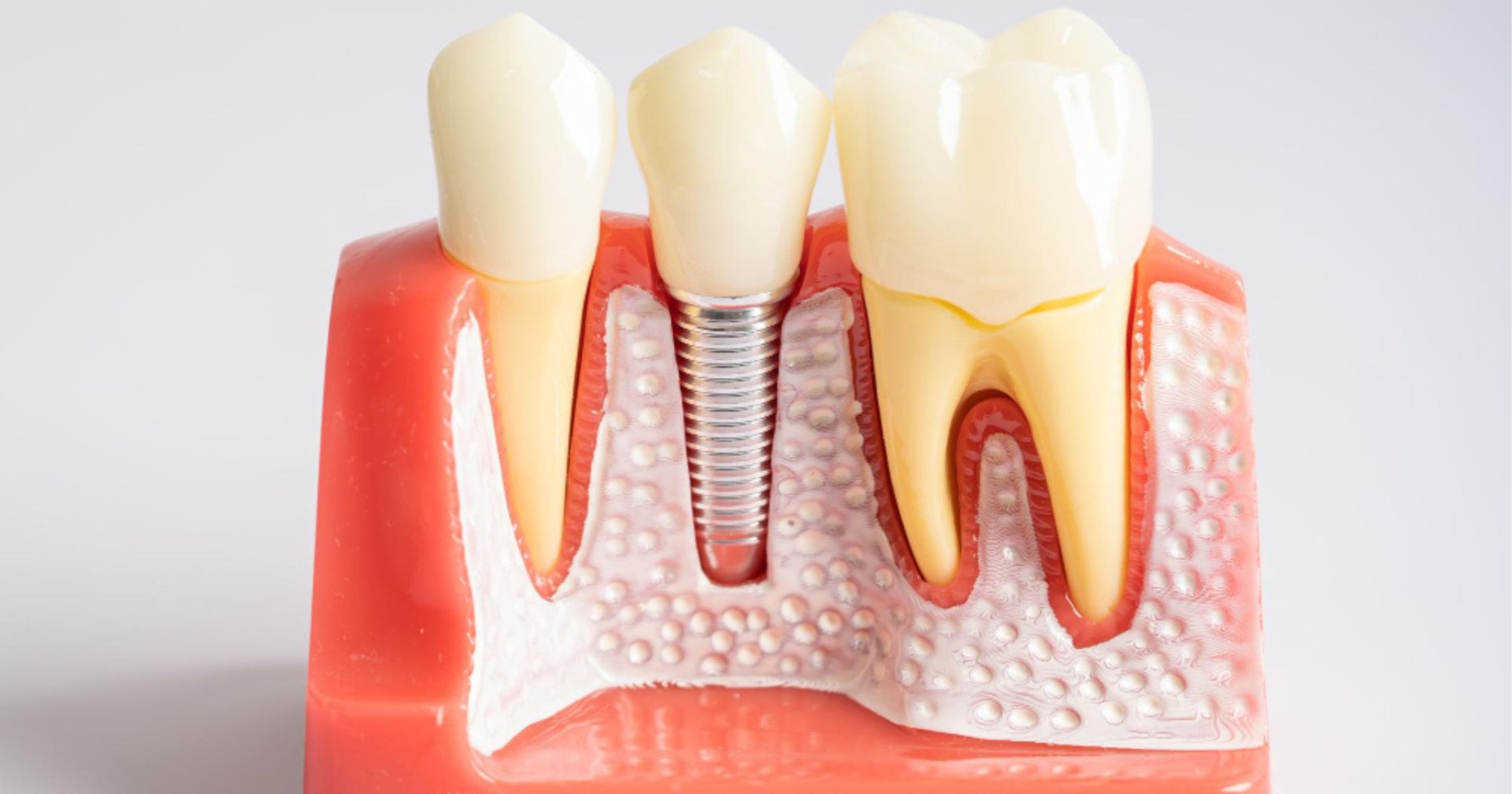
Options generally include a dental implant, a bridge, or a denture. Your dentist can talk through what's suitable based on the tooth's location and your overall dental health.
Is sedation available for a surgical extraction?
This depends on your individual case and what's appropriate for the procedure. It's worth discussing sedation options directly with your dentist as part of your assessment.
Book a Tooth Extraction Consultation in Prahran
If you've been told you may need a tooth removed, or you're dealing with a broken or impacted tooth, a consultation is the way to find out what's actually involved for your situation.
At Prahran Family Dental, we see patients from Prahran, Windsor, South Yarra, Toorak, and Armadale. Call us on (03) 9533 2288 or book online. Visit us at Shop 7, 180 Commercial Road, Prahran VIC 3181.
Any surgical or invasive procedure carries risks. Before proceeding, consider seeking a second opinion from an appropriately qualified health practitioner.