
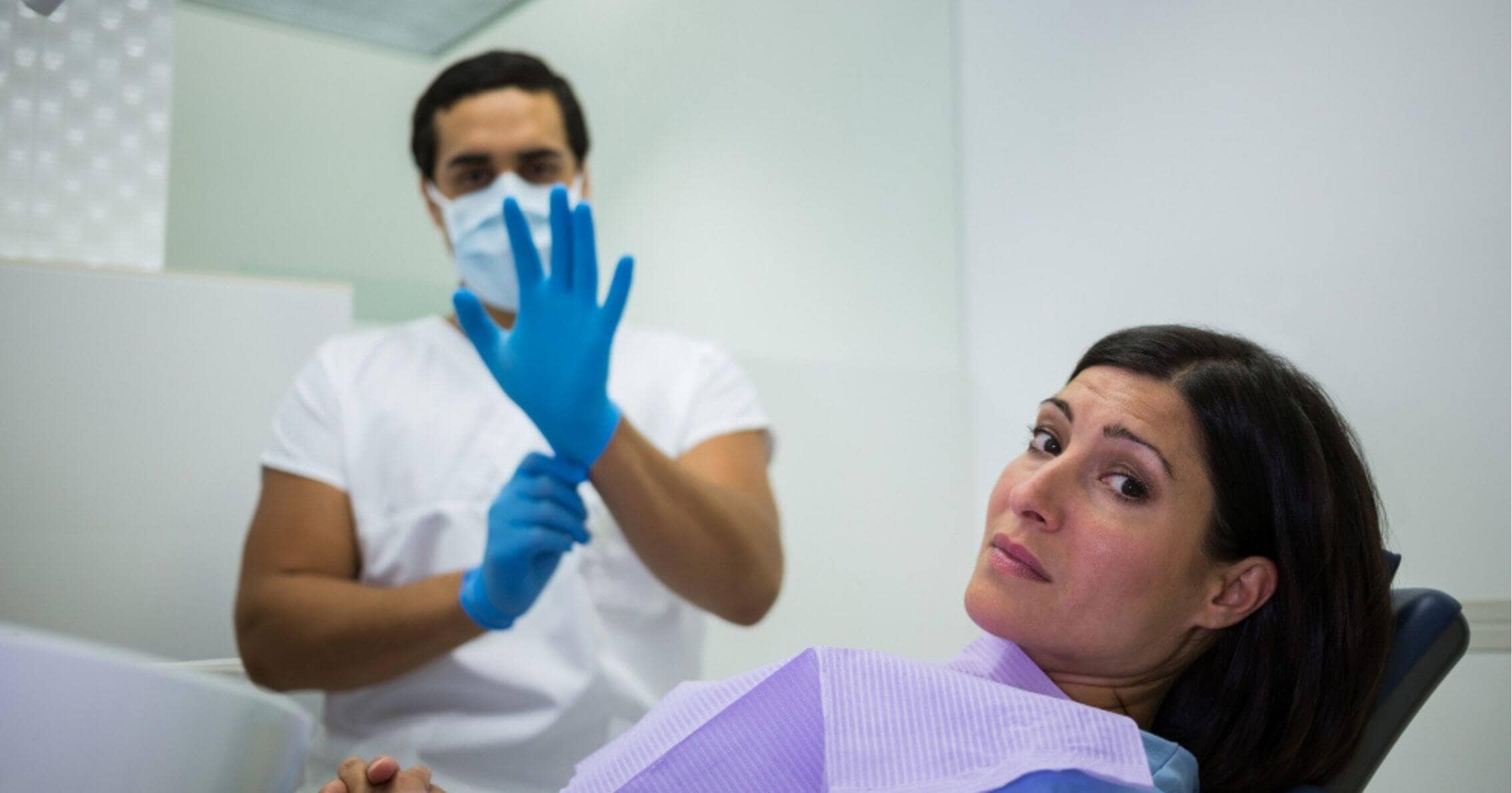
Feeling anxious about a dental appointment is common, and it's one of the main reasons patients delay treatment they know they need. Sedation dentistry covers a range of approaches designed to help a nervous patient get through treatment more comfortably, from a light sense of calm through to a deeper level of relaxation.
This guide explains what the main sedation options are, how they differ, who is qualified to provide them in Australia, and what's realistic to expect from each.
What Sedation Dentistry Actually Means
Sedation dentistry refers to using a sedative to reduce anxiety and increase relaxation during a dental procedure. It's a separate concept from general anaesthesia, which makes a patient fully unconscious and is normally reserved for more complex surgical procedures performed in a hospital or day surgery setting.
With sedation, a patient generally remains conscious and able to respond, even if they feel drowsy or less aware of what's happening around them. Local anaesthetic is still used to manage discomfort at the treatment site itself; sedation addresses anxiety and awareness, not pain control on its own.
Nitrous Oxide (Happy Gas)
Nitrous oxide (also known as "happy gas") is breathed in through a small mask over the nose. It's the lightest form of sedation typically used in dental settings and is often the first option raised for a nervous patient because of how it's administered and how it wears off.
It takes effect within a few minutes, and because it's breathed out again once the mask is removed, its effects generally clear soon after the appointment ends, which is part of why many patients are able to drive themselves home afterwards. Individual responses vary, so this shouldn't be assumed without checking with the treating dentist first.
Oral Sedation
Oral sedation involves taking a prescribed sedative tablet before the appointment, usually resulting in a deeper level of relaxation than nitrous oxide.
Patients are often drowsy and may have limited memory of parts of the procedure, though the extent of this varies between patients and isn't something that can be promised in advance. Because the effects last longer and can impair coordination and judgement, oral sedation requires a responsible adult to escort the patient home and stay with them for the rest of the day.
IV Sedation
IV sedation is administered directly into a vein, allowing the level of sedation to be adjusted more precisely during the procedure than is possible with a tablet. It produces a deeper dental sedation option, sometimes referred to informally as sleep dentistry. However, the patient is not unconscious in the way they would be under general anaesthesia and continues to breathe independently throughout.
IV sedation typically requires fasting beforehand, monitoring during the procedure, and an escort home afterwards, similar to oral sedation but with a longer recovery window in most cases.
Who Can Provide Sedation in Australia
Not every sedation option can be administered by every dentist. In Australia, providing sedation is regulated, and the level of training and registration required increases with the depth of sedation involved.
Nitrous oxide is generally administered by the treating dentist as part of standard practice. Oral and IV sedation typically require additional training, and for some levels of sedation, a specifically qualified provider, such as a dentist with recognised sedation training or a registered specialist anaesthetist, is involved rather than the treating dentist alone.
Requirements can vary depending on the type and depth of sedation, which is part of why it's worth asking directly which option is available for a specific procedure and who would be providing it.

What to Expect, Regardless of the Option
A few things apply across most sedation appointments:
- Pre-appointment instructions often include fasting requirements for oral or IV sedation, and guidance on regular medicines.
- An escort is generally required for any option beyond nitrous oxide, since driving isn't safe until the sedative has fully worn off.
- Monitoring during the procedure is standard practice for deeper sedation levels, tracking things like heart rate and oxygen levels.
- Recovery time varies by sedation type and by individual, and instructions for the rest of the day are usually provided before you leave.
What Sedation Does and Doesn't Do
Sedation is aimed at reducing anxiety and awareness of the procedure, and for many nervous patients that makes a real difference to the experience. It isn't the same as a guarantee of a particular outcome.
Sedation doesn't replace local anaesthetic for managing discomfort at the treatment site. While some sedation types can reduce memory of the procedure, this effect varies between patients and can't be promised in advance.
Results and individual experiences vary, and any sedation or anaesthetic procedure carries its own risks, which is something to discuss directly with the provider before deciding on an option.
Is Sedation Dentistry Right for You
Sedation is generally considered for patients with significant dental anxiety, a strong gag reflex, difficulty sitting still for longer procedures, or a history of difficult past dental experiences. It's also sometimes used for longer or more involved procedures regardless of anxiety level.
Suitability depends on medical history, current medicines, and the specific procedure being planned, so it's assessed on an individual basis rather than a one-size-fits-all recommendation. Some medical conditions and medicines affect which sedation options are appropriate, which is why a full medical history is generally reviewed before any sedation is planned.
FAQ
Is sedation dentistry safe?
Sedation used within a dental setting is a regulated practice with monitoring appropriate to the level of sedation involved. As with any medical or dental procedure, it carries risks, and a provider will assess individual suitability, including medical history and medicines, before recommending an option.
Will I be unconscious during sedation dentistry?
No. Sedation is different to general anaesthesia. Depending on the type and depth of sedation, a patient may feel drowsy or deeply relaxed, but remains conscious and able to respond, and continues to breathe independently throughout.
Will I remember anything afterwards?
This varies. Some sedation types can reduce memory of parts of the procedure, but the extent isn't the same for everyone and can't be guaranteed in advance.
Can I drive myself home after sedation?
This depends on the option used. Nitrous oxide generally wears off quickly enough that many patients can drive themselves. Oral sedation and IV sedation typically require someone else to drive and stay with you afterwards.
Do I need to fast before sedation dentistry?
Fasting requirements typically apply to oral sedation and IV sedation rather than nitrous oxide, but this depends on the specific sedation plan. The team looking after your treatment will confirm exactly what to do beforehand once your appointment is booked.
Who is qualified to give IV sedation at a dental appointment?
This depends on the practice and the level of sedation involved. It may be provided by a dentist with recognised sedation training, or in some cases by a registered specialist anaesthetist working alongside the treating dentist. It's worth asking directly who would be involved in your specific case.
Ask Us About Sedation Dentistry in Prahran
The right sedation option, if any, depends on the procedure, your medical history, and how you're feeling about treatment. If dental anxiety has been holding you back from booking an appointment, get in touch and ask us what's involved and how to prepare.
At Prahran Family Dental, call us on (03) 9533 2288 or book a consultation online to discuss your options. You'll find us at Shop 7, 180 Commercial Road, Prahran, opposite Prahran Market on the corner of Commercial Road and Izett Street.
Any sedation or anaesthetic procedure carries risks. Before proceeding, consider seeking a second opinion from an appropriately qualified health practitioner.