

Bleeding gums are easy to dismiss. A little pink in the sink after brushing, and most people move on without a second thought. But the causes of bleeding gums are worth understanding — because there's usually something specific behind it, and catching it early keeps treatment simple.
If your gums bleed regularly, or you've started noticing other changes alongside the bleeding, this article covers what's likely behind it, what you can do at home, and when it's time to come in.
Why Gums Bleed: The Most Common Causes
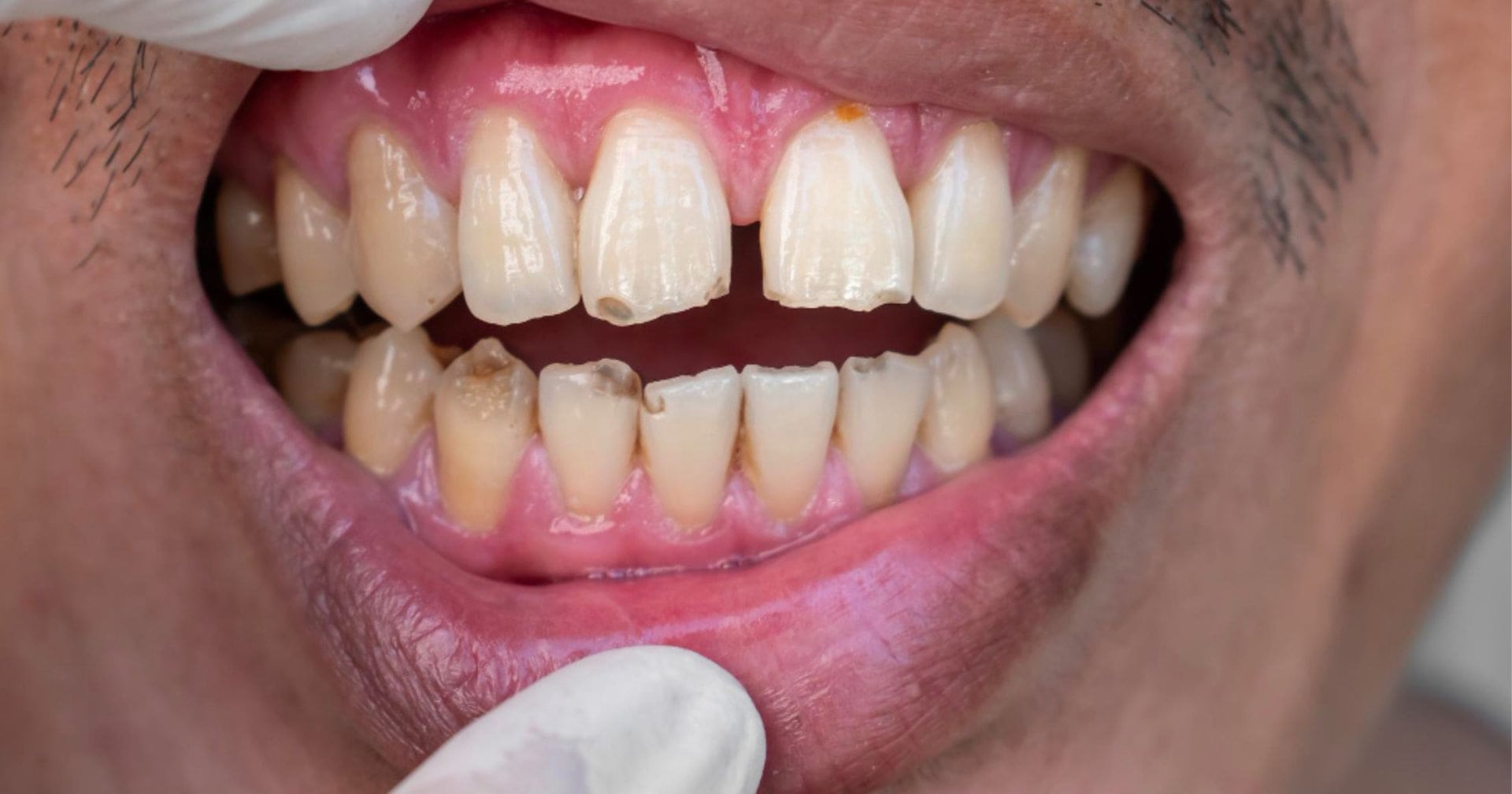
Plaque buildup around the gumline is the leading cause of bleeding gums. Left unchecked, plaque can inflame the gums, making them tender and prone to bleeding. This is gingivitis, the earliest and most treatable stage of gum disease.
Gingivitis is extremely common. Many people have it without realising, because beyond the bleeding, it often causes no pain or obvious discomfort. That's part of what makes it easy to ignore — and part of what makes early detection important.
But plaque isn't the only reason gums bleed. Other contributing factors include:
- Brushing technique: A toothbrush that's too firm or excessive pressure can damage gum tissue and cause bleeding even when there's no infection present.
- Inconsistent flossing: Gums that aren't flossed regularly become more sensitive and prone to bleeding when you do floss. This usually settles within a couple of weeks once flossing becomes a daily habit — but if it doesn't, it's worth flagging.
- Pregnancy: Pregnancy-related hormonal changes can increase the gums' sensitivity to plaque, leading to pregnancy gingivitis.
- Medicines: Blood thinners and some other medicines reduce clotting and can make gums bleed more easily, even with good oral hygiene.
- Nutritional deficiencies: A deficiency in vitamin C or vitamin K may make your gums more likely to bleed, but this is a much less common cause than plaque buildup or gum disease.
- Smoking: Smokers are at significantly higher risk of gum disease, and because smoking restricts blood flow, the bleeding can actually be less noticeable even when the underlying condition is more advanced.
Understanding which of these applies to your situation helps determine whether the solution is a change in home care habits, a conversation with your GP about medicines, or a dental appointment.
When Gingivitis Becomes Something More Serious
When gingivitis isn't treated, it can turn into periodontitis—a more serious condition in which the infection spreads beneath the gums and starts damaging the structures that support your teeth.
Unlike gingivitis, periodontitis is not fully reversible. Treatment can stop it from progressing and stabilise the condition, but the structural damage that's already occurred doesn't repair itself.
Regular check-ups exist largely to catch this kind of progression before it becomes a more complex problem.
Other Symptoms to Pay Attention To
Bleeding on its own doesn't always indicate serious gum disease. It's more concerning when it comes alongside other changes. Watch for:
- Gums that look red, swollen, or puffy rather than firm and pale pink
- Persistent bad breath that doesn't clear up after brushing or using mouthwash
- Gums that appear to be receding — pulling back from the teeth and making them look longer than usual
- Heightened sensitivity to hot and cold.
- Teeth that feel loose or have shifted in their position
- Pain when chewing that wasn't there before
- Spontaneous bleeding — not triggered by brushing or flossing, just happening on its own
Any combination of these alongside regular bleeding should be assessed professionally rather than managed at home.
What You Can Do at Home
For mild or occasional bleeding with no other symptoms, consistent home care is the right starting point. In many cases, improving your daily routine is enough to resolve early gingivitis before it needs clinical intervention.
Brushing
Brush your teeth morning and night for two minutes with a soft-bristled toothbrush and fluoride toothpaste. Hold the brush at a 45-degree angle to the gums and use gentle circular strokes.
If possible, consider using an electric toothbrush. Many people find it removes plaque more effectively and helps prevent brushing too aggressively.
Flossing
Floss once a day, every day. Wrap the floss into a C-shape around each tooth and carefully guide it just below the gumline using gentle movements.
It's normal for your gums to bleed a little when you begin flossing regularly. This usually settles within one to two weeks. If the bleeding continues, it's a good idea to book a dental check-up.
Mouthwash
Use an antibacterial mouthwash after brushing to help control plaque-causing bacteria. Chlorhexidine and cetylpyridinium chloride are two ingredients with strong evidence for supporting gum health.
Diet
Eat fewer sugary and highly processed foods, as they can increase plaque buildup. Crunchy vegetables help produce more saliva, which naturally helps clean your teeth and mouth. Staying well hydrated also supports the mouth's natural defences.
Lifestyle
If you smoke, reducing or quitting will have a significant impact on your gum health. Smoking greatly increases your risk of developing periodontitis. It can also make your gums bleed less, hiding one of the first signs that something is wrong.
When to Book an Appointment
See your Prahran dentist if:
- Your gums bleed regularly, not just occasionally after a gap in your routine.
- Bleeding hasn't improved after two weeks of consistent brushing and flossing.
- You've noticed any of the additional symptoms listed above — receding gums, persistent bad breath, loose teeth, or pain when chewing.
- You haven't had a professional clean in the past six months.
- You're pregnant and experiencing increased gum sensitivity or bleeding.
Gum disease doesn't usually hurt in its early stages, so bleeding is often the only visible sign that something is wrong. It's one of the more useful warnings your mouth gives you.

What Treatment Involves at Prahran Family Dental
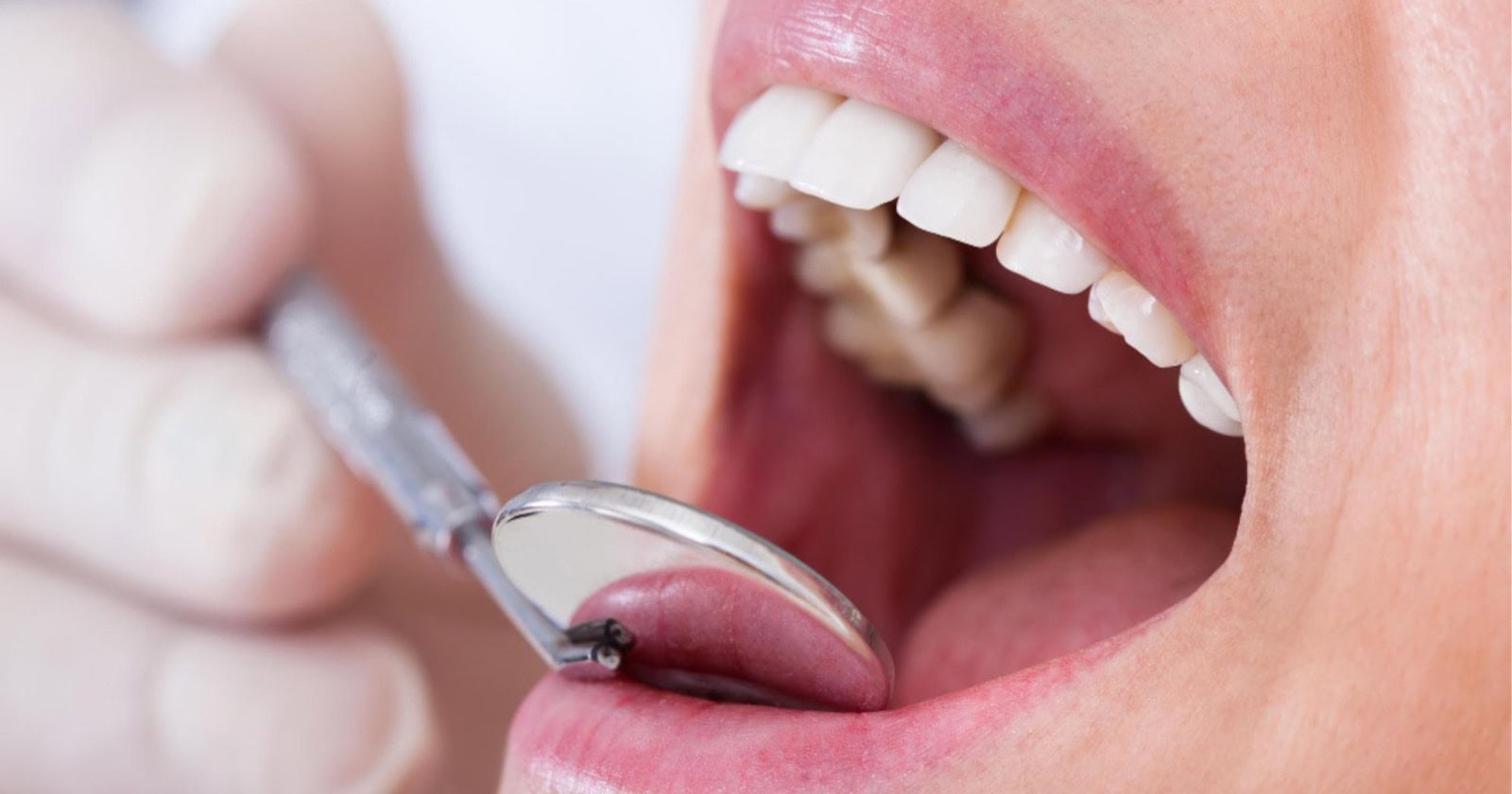
When you come in, your dentist will thoroughly examine your gums. Your Prahran dentist will check the depth of the pockets around your teeth, as this provides an important indication of how far any gum infection has progressed.
Healthy gum pockets measure between one and three millimetres. Deeper pockets indicate that gum disease is present and needs to be addressed.
For gingivitis:
A professional scale and clean is typically the primary treatment. This removes the plaque and hardened tartar that regular brushing can't shift — particularly from below the gumline and between the teeth. Once the buildup is cleared, the gums can heal and return to a healthy state.
For mild to moderate periodontitis:
Treatment involves a deeper procedure called scaling and root planing. The dentist cleans the root surfaces of the teeth below the gumline, removing bacteria and smoothing the surface to make it harder for plaque to reattach. This is usually done in sections over a series of appointments and may be carried out under local anaesthetic for comfort.
For advanced periodontitis:
In more severe cases, additional intervention may be needed. This can include periodontal surgery to access deeper areas of infection, or referral to a periodontist for specialist care. Your dentist will discuss what's appropriate based on what they find during assessment.
Ongoing maintenance:
After active treatment, many patients benefit from periodontal maintenance appointments — more frequent cleans scheduled every three to four months rather than the standard six. These help keep the condition stable and catch any early signs of recurrence before they progress.
Frequently Asked Questions
Why are my gums bleeding even though I brush twice a day?
Brushing alone doesn't remove plaque from between the teeth or below the gumline. If you're not flossing, or if plaque has hardened into tartar, regular brushing isn't enough to prevent inflammation. A professional clean removes what home care can't reach.
Can stress cause bleeding gums?
Indirectly, yes. When you're under stress, your body may have a harder time fighting gum infections. Stress can also make you more likely to grind your teeth or neglect your brushing and flossing routine, increasing your risk of gum problems.
Is it normal for gums to bleed after a scale and clean?
Some sensitivity and minor bleeding immediately after a clean is normal, particularly if there was significant buildup. It should settle within a day or two; if it doesn't, contact the practice.
Will bleeding gums resolve without treatment?
If the cause is early gingivitis and you improve your home care routine, yes — in many cases it will. If gum disease has progressed beyond gingivitis, it won't resolve on its own and professional treatment is required.
Can children get gum disease?
Yes, though it's less common than in adults. Children can develop gingivitis, particularly around the time of hormonal changes in early adolescence. Regular check-ups and establishing good brushing and flossing habits early are the best prevention.
How often should I have a professional clean?
For most people, every six months is appropriate. If you've had gum disease previously, or are in an active treatment phase, your dentist may recommend more frequent appointments — typically every three to four months.
Gum Treatment in Prahran
If your gums bleed regularly or you're due for a check-up, don't put it off.
Our team at Prahran Family Dental is here to help patients from Prahran, Windsor, South Yarra, Toorak, and Armadale get the care they need — without the stress.
Call us on 03) 9533 2288 or book online.
Visit us at Shop 7, 180 Commercial Road, Prahran.