
Most people tense up the moment "root canal" comes up at a dental appointment. The procedure has an undeserved reputation. In most cases, it's what stops serious tooth pain and keeps your natural tooth where it belongs—in your mouth. If you've been told you may need one, here's what the process actually involves.
What Is Root Canal Therapy?
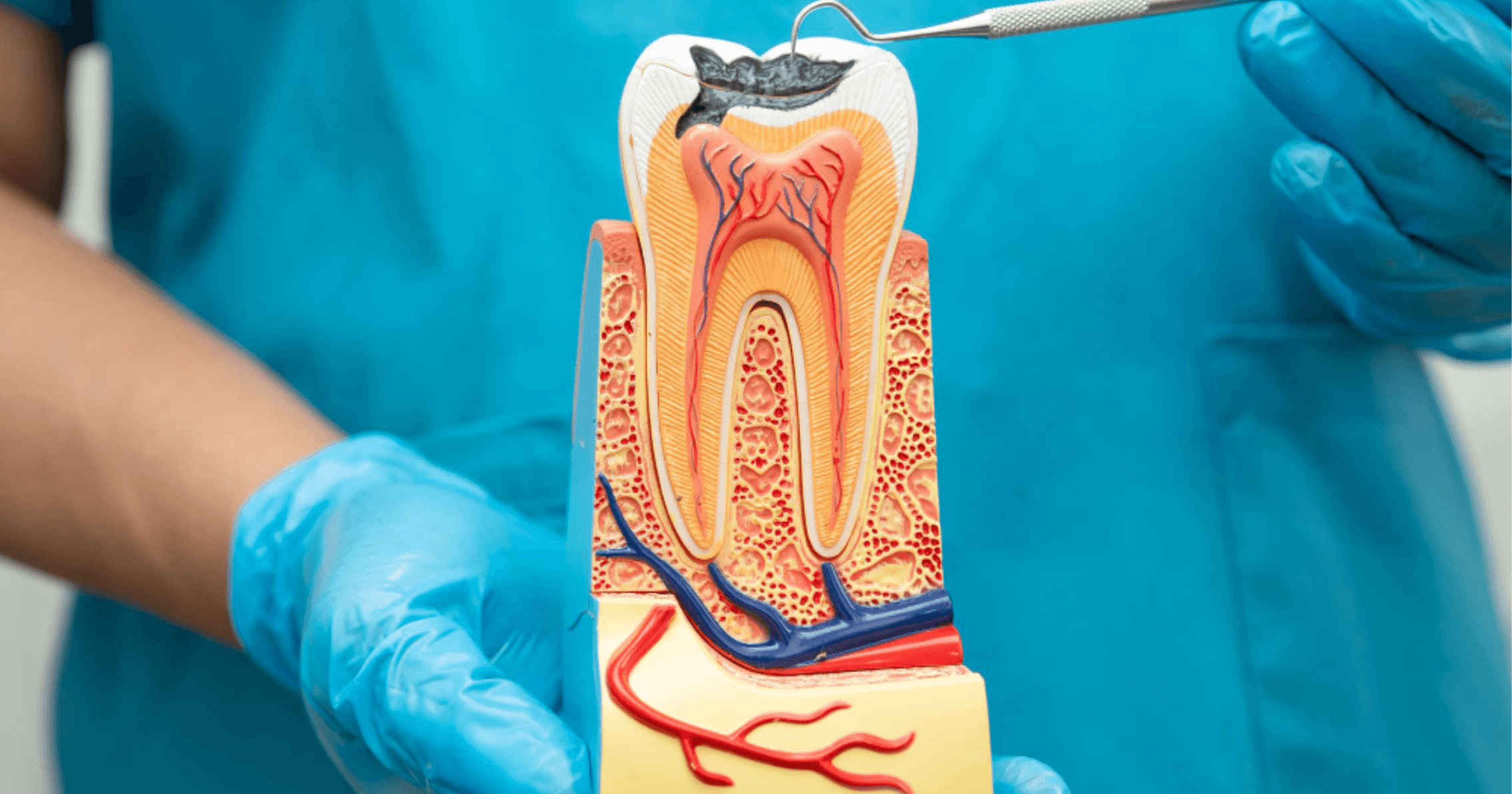
Root canal therapy treats infection or damage deep inside a tooth. Each tooth contains pulp—soft tissue made up of nerves and blood vessels housed in the root canals. When that pulp becomes infected or inflamed, it causes significant pain and, without intervention, it may cause tooth loss or infection to spread to surrounding teeth and bone.
The procedure removes the damaged pulp, cleans and seals the canals, and leaves the natural tooth in place. The tooth can continue to perform normally for years when protected with a crown. Keeping your natural tooth also preserves the surrounding bone structure in a way that replacements can't fully replicate.
Why Would You Need Root Canal Therapy?
Several situations can lead to pulp damage:
- Deep decay that reaches the inner tooth
- A broken or cracked tooth with exposed pulp
- Repeated dental procedures on the same tooth
- Trauma or a significant knock to the tooth
- A large filling positioned close to the pulp
Sometimes there are clear symptoms. Other times, the problem appears on an X-ray before you feel anything noticeable. Either way, acting early leads to a better outcome. Dental infections don't resolve on their own—delaying treatment increases the risk of tooth loss and more complex intervention down the line.
Signs You Might Need Root Canal Treatment
- Persistent toothache — pain that lingers, especially when biting or applying pressure — is one of the more telling signs.
- Sensitivity that doesn't settle — If sensitivity to hot or cold stays for several seconds or minutes after the source is removed, the pulp may be affected.
- Swelling or tenderness in the gum — A raised bump near the tooth or swelling in the surrounding tissue can indicate infection.
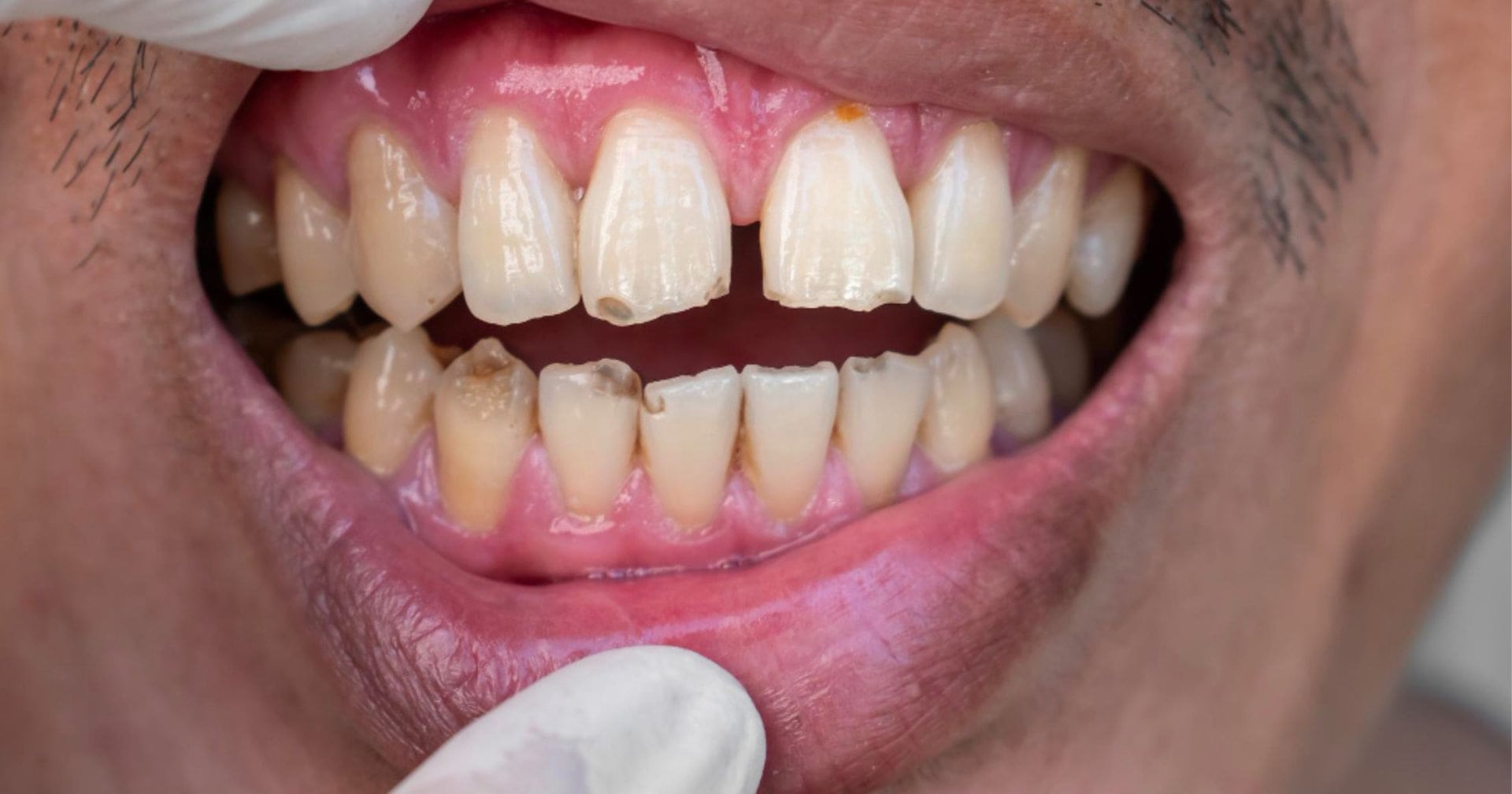
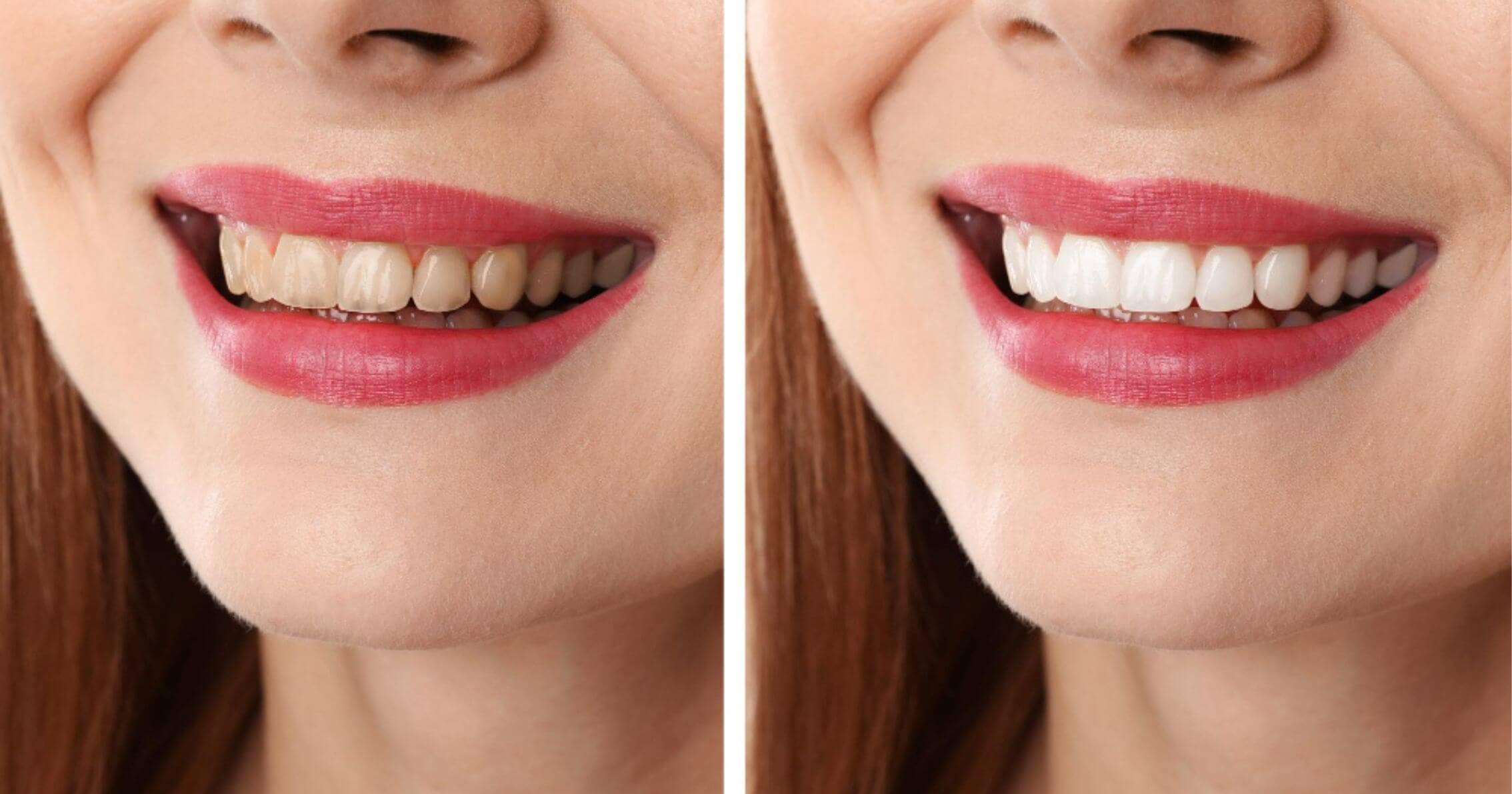
- Tooth discolouration — A tooth that has darkened without an obvious cause may have internal damage.
- Referred pain — Pain that spreads to the jaw, ear, or surrounding teeth is worth investigating.
Only a clinical examination and X-rays can confirm whether root canal therapy is needed. These signs indicate something should be checked, not a definitive diagnosis.
What Happens During the Procedure?
Assessment
X-rays are taken to evaluate the extent of the infection and map the root canal anatomy. This guides the treatment approach.
Local anaesthesia
The area is numbed before anything begins. Most patients find the procedure no more uncomfortable than having a filling placed. Any significant pain is usually felt in the days before treatment—when the infection is at its peak—not during it.
Accessing and cleaning the canals
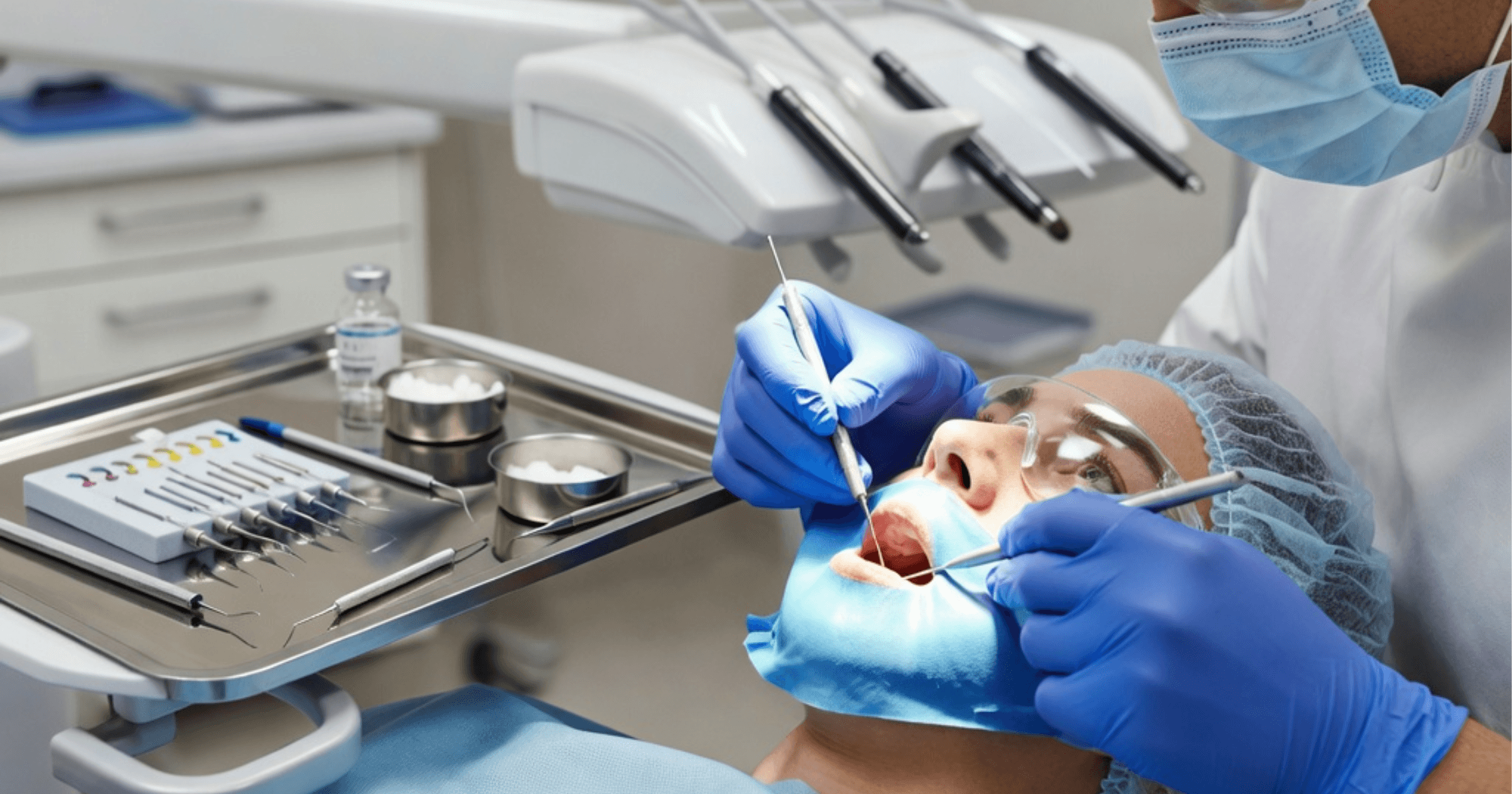
A small opening is made in the tooth to reach the pulp chamber. Infected tissue is taken out, and the canals are shaped and flushed with an antibacterial solution to remove any remaining bacteria.
Sealing the tooth
After cleaning and drying, the canals are sealed and filled with a biocompatible material known as gutta-percha. A temporary filling is placed while the tooth heals.
Crown placement
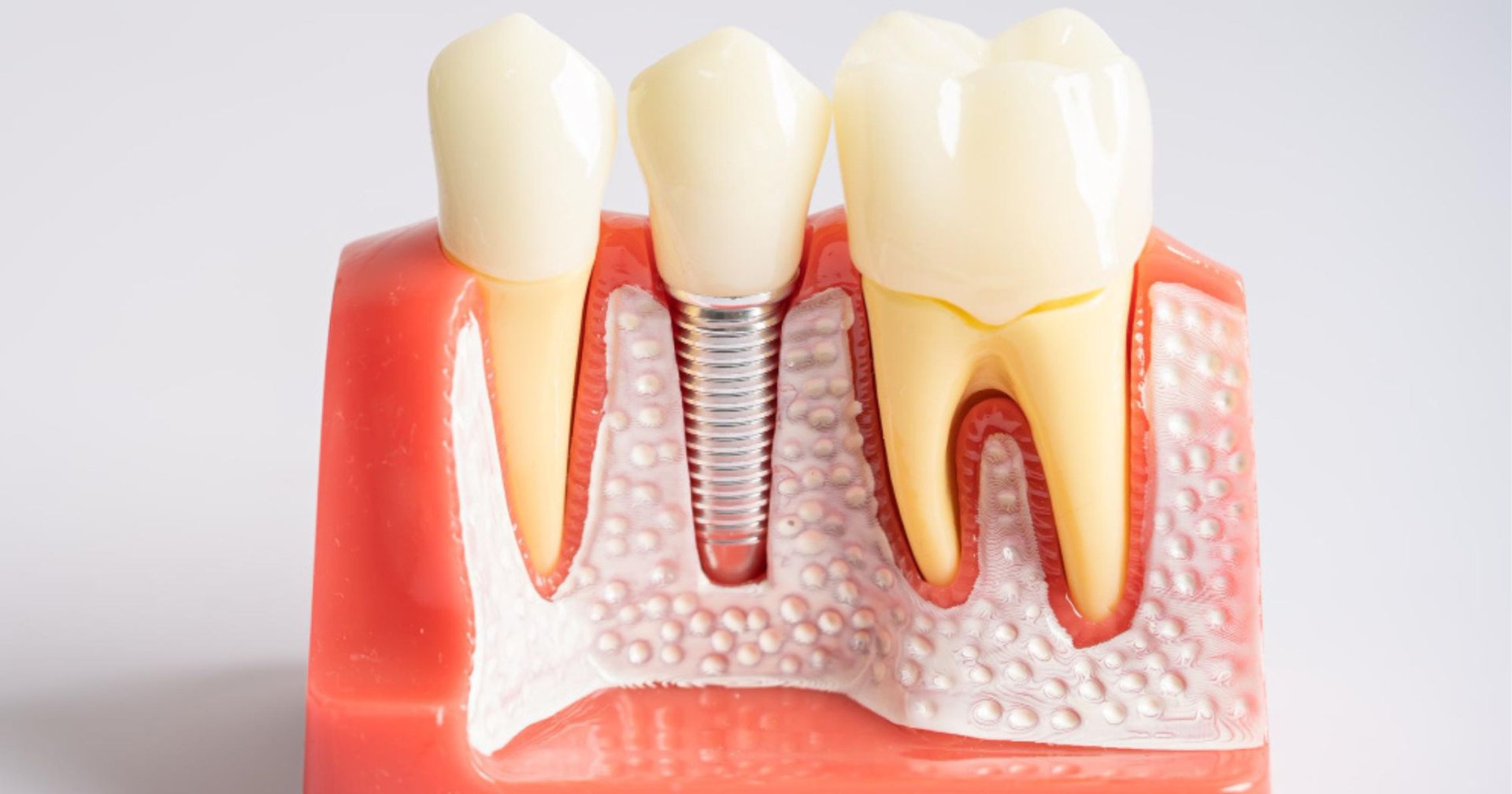
A crown is typically recommended after root canal treatment for most teeth. The procedure removes internal tooth structure, and a crown restores full function and protects against fracture. Your Prahran dentist will discuss timing and options with you.
The full process typically takes one to two appointments, depending on case complexity.
What to Expect After Treatment
Recovery is generally straightforward. Most people return to normal activities the following day. The treated tooth may feel slightly tender for a few days while the surrounding tissue settles—over-the-counter pain relief is usually sufficient.
A few things that help during recovery:
- Avoid chewing on the treated side until the crown is placed
- Stick to softer foods for the first day or two
- Take any prescribed antibiotics as directed if an infection is present
- Attend your follow-up so the crown can be placed on schedule
Once the crown is fitted, the tooth functions like any other with no ongoing maintenance beyond your regular hygiene routine.
Root Canal Therapy in Prahran
If tooth pain is an issue, or you’ve been advised to explore root canal treatment, we’re here to help you clearly understand your options.
At Prahran Family Dental, we treat root canal therapy as what it is—a procedure that relieves pain, clears infection, and preserves a tooth that would otherwise be lost. Our approach involves thorough assessment before treatment, clear communication at each stage, and attention to patient comfort throughout.
We see patients from Prahran, Windsor, South Yarra, Toorak, and Armadale.
Call us on (03) 9533 2288 or book online. Visit us at Shop 7, 180 Commercial Road, Prahran.