

Thinking about porcelain veneers but unsure what the process actually involves? For many patients, the gap between "I want to improve my smile" and "I know what to expect at each appointment" is what holds them back from moving forward.
This guide covers the full process — from your first consultation through to your final fitting — so you know exactly what's ahead before you commit.
What Are Porcelain Veneers?
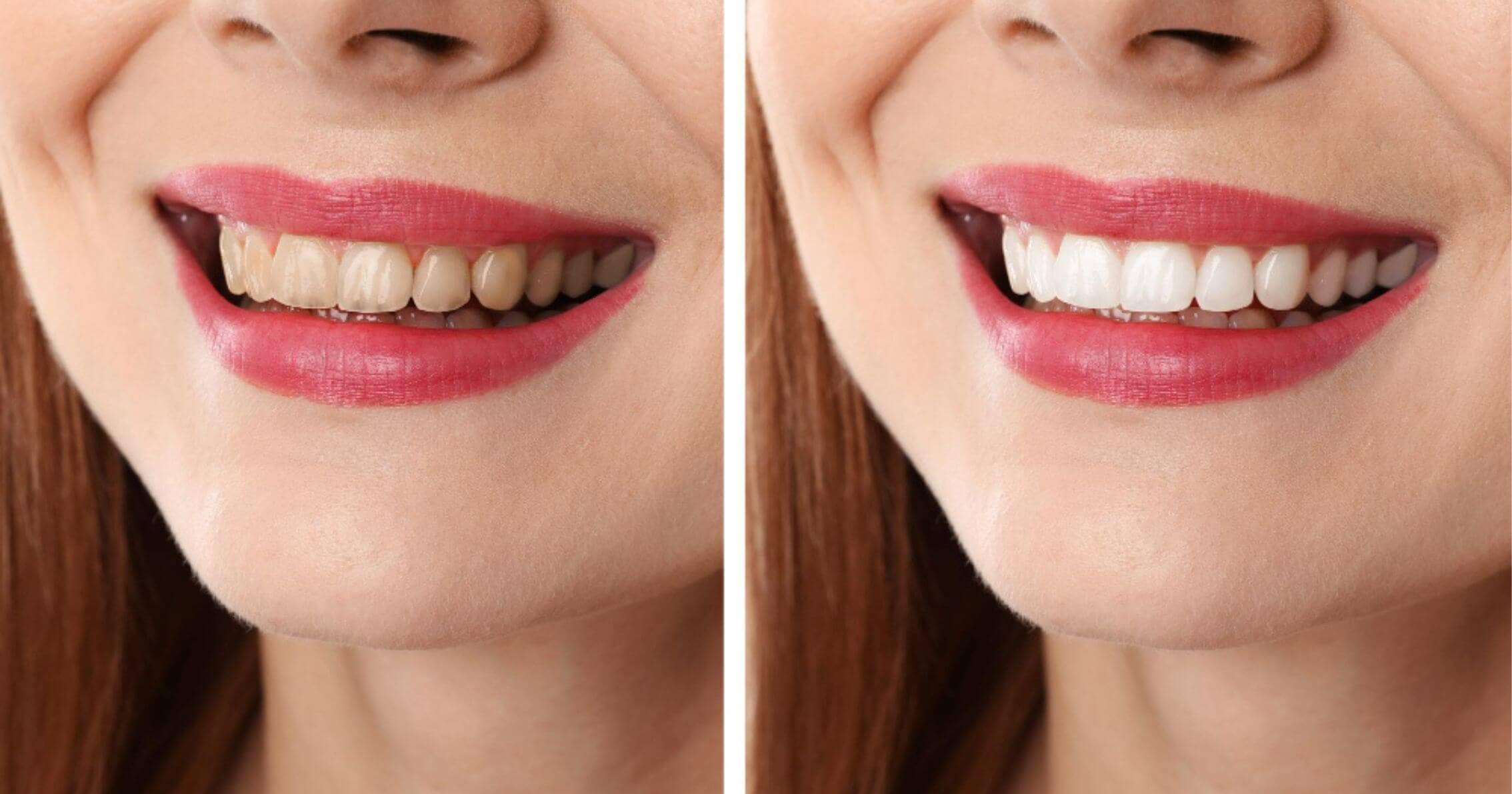
Porcelain veneers are thin, tailor-made coverings that are placed on the front of your teeth to improve their appearance. They're designed to improve the appearance of chipped, stained, uneven, or slightly misaligned teeth, creating a more uniform, natural-looking smile.
Each veneer is individually shaped and coloured to complement your surrounding teeth. Rather than addressing cosmetic concerns one at a time, veneers offer a cohesive result across the teeth that show when you smile.
What Can Veneers Address?
Patients commonly consider veneers for:
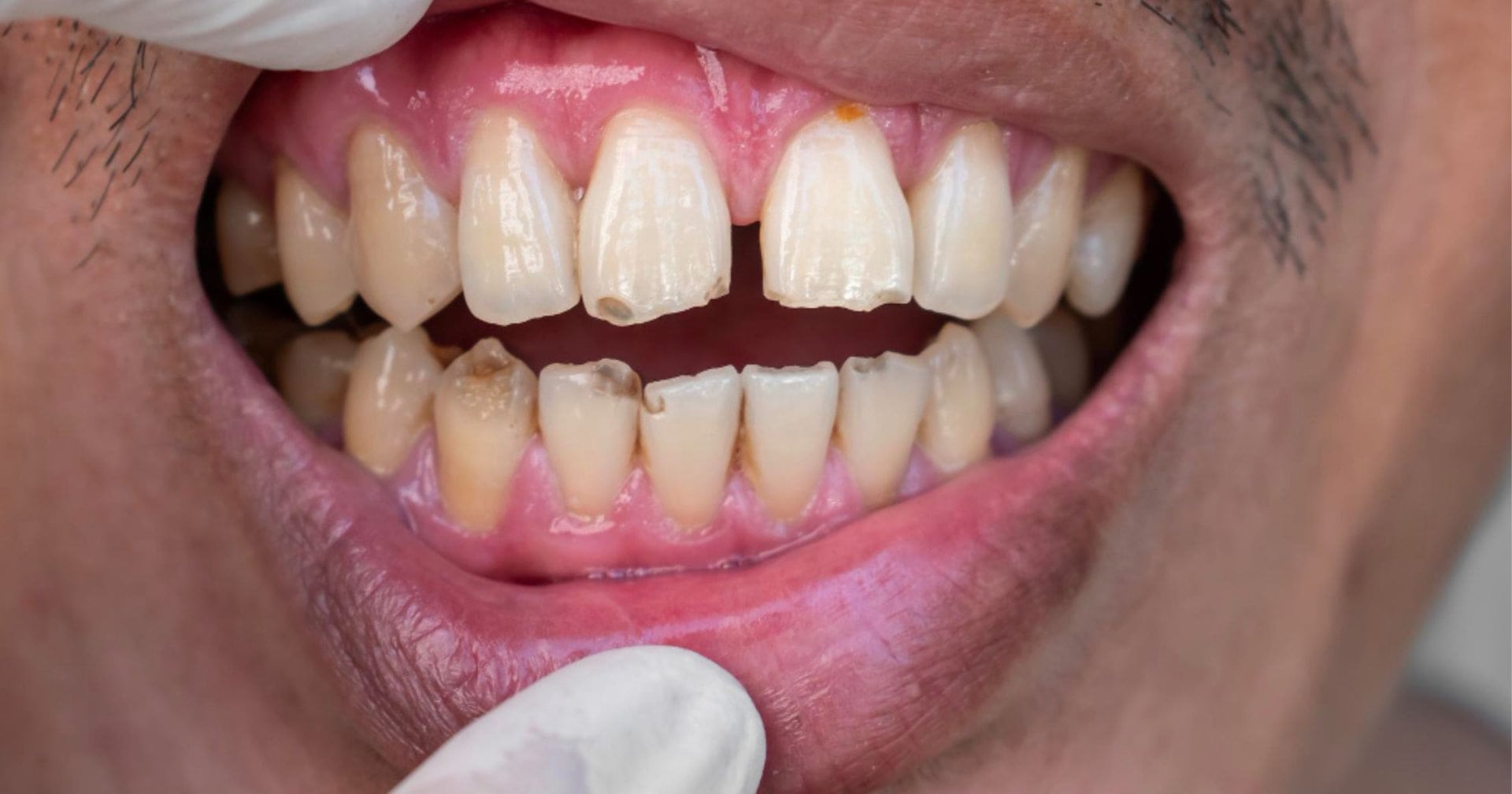
- Permanently stained teeth that haven't responded to whitening
- Chips or small fractures on the front teeth
- Uneven edges or irregular tooth shapes
- Minor gaps between teeth
- Teeth that appear too short or worn down
They're not a solution for every dental concern. A proper consultation is the only reliable way to know whether veneers are the right direction for your situation.
The Consultation: Where It All Starts
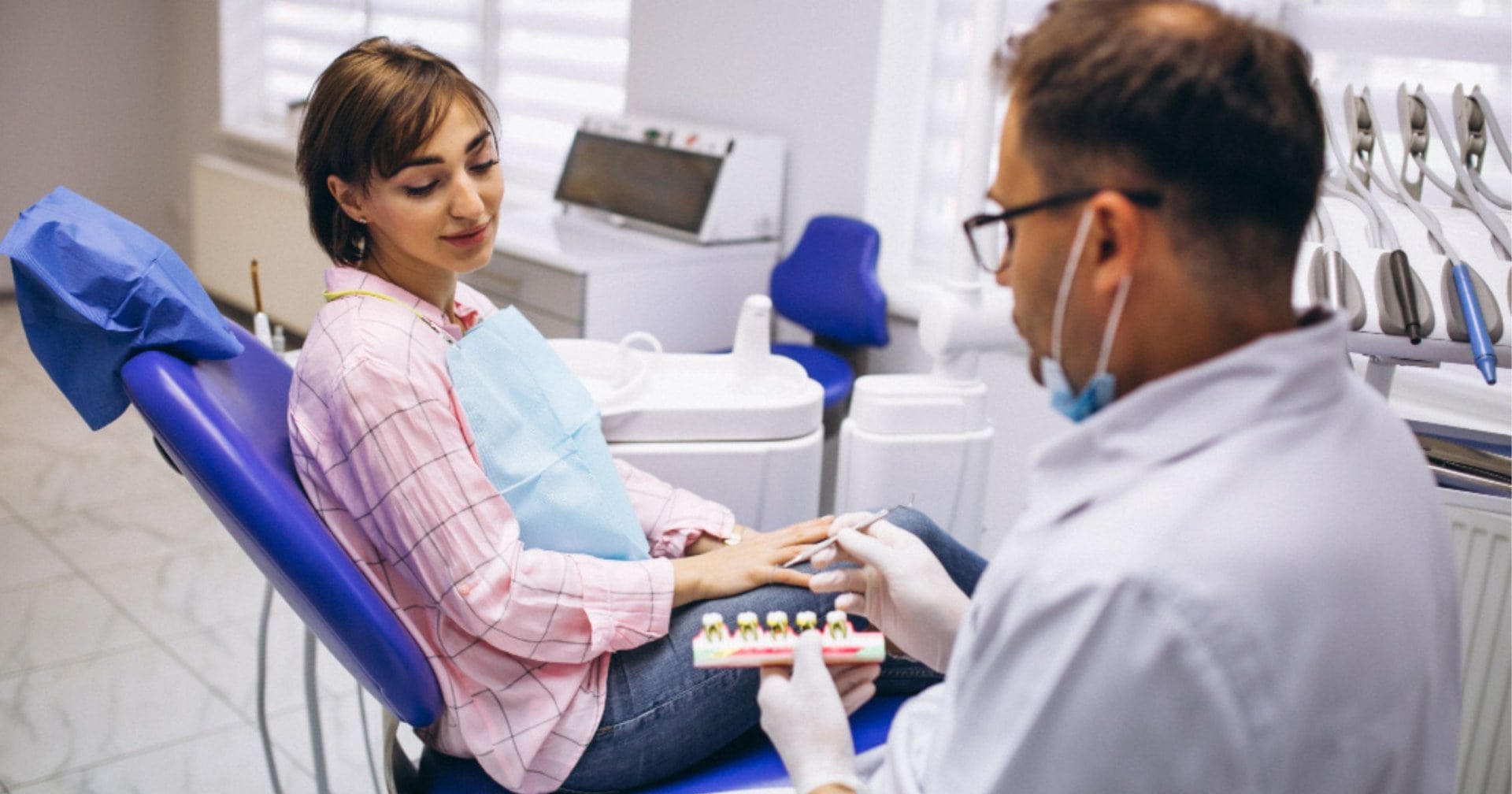
Your first appointment is a consultation, not a commitment. It's a conversation — and it's where your dentist determines whether veneers are genuinely the right fit for you.
During this visit, your dentist will:
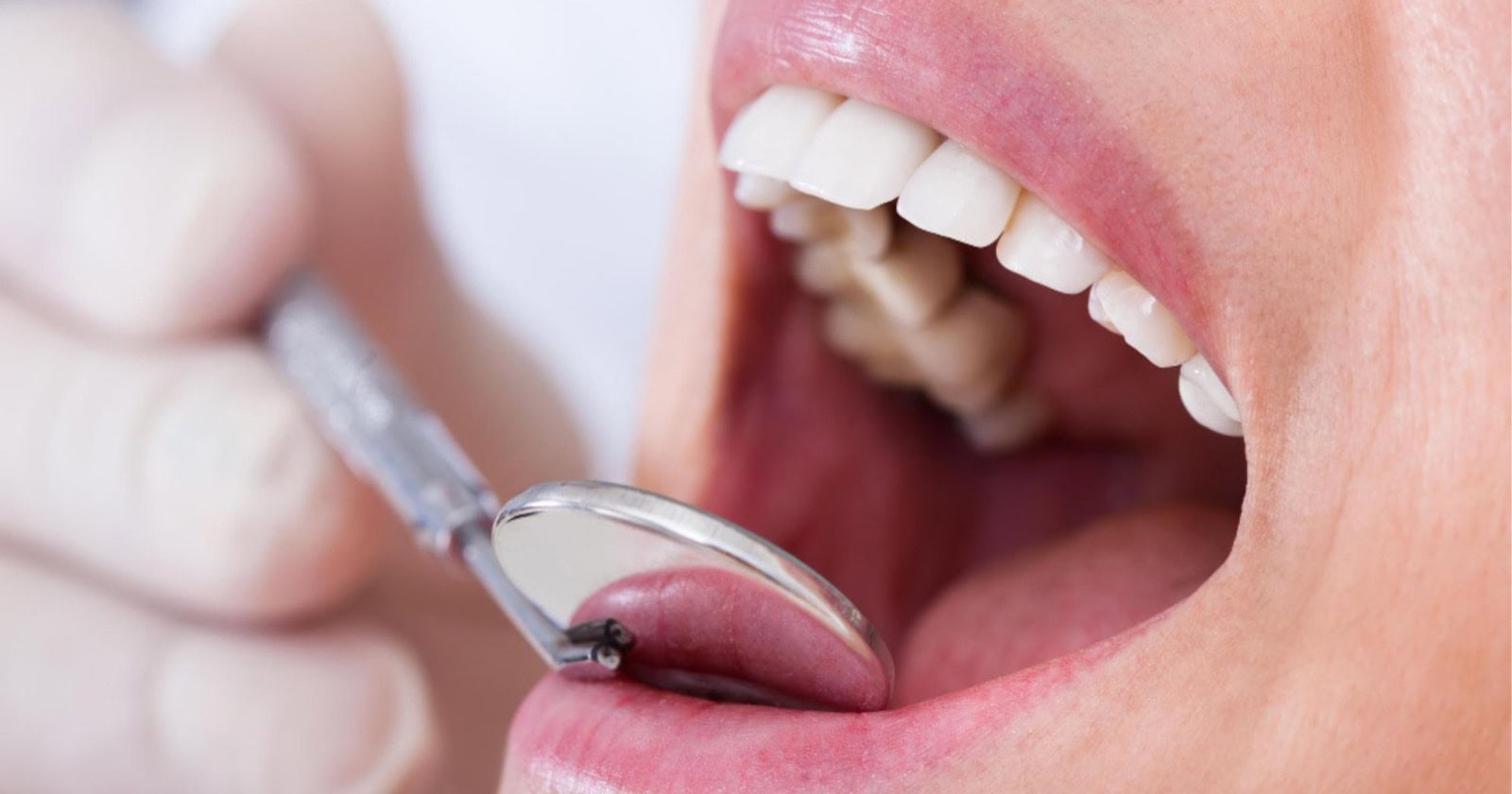
Examine your teeth and gums.
Veneers work best when your underlying oral health is sound. Any signs of decay or gum disease should be treated before proceeding with veneers. Placing veneers over compromised teeth won't produce a lasting result.
Review your dental history.
Previous dental work, habits like grinding (bruxism), or bite concerns all factor into whether veneers are appropriate and what precautions may be needed.
Discuss your goals
How many teeth you want treated, how much change you're looking for, and the current condition of your teeth all shape the treatment plan. There's no one-size-fits-all result.
Give you honest options.
Veneers may be the right choice — or your dentist may suggest an alternative that better suits your situation. The consultation is about accurate advice, not a predetermined outcome.
By the end of the appointment, you'll know whether you're a suitable candidate, how many veneers are being considered, and what the process will involve.
Are You a Suitable Candidate?
Veneers tend to work well for patients who:
- Have good oral health, or be willing to address any existing concerns, before undergoing veneer treatment.
- Are seeking cosmetic improvement rather than structural repair
- Have realistic expectations about outcomes
- Don't have severe grinding habits, or are prepared to wear a night guard to protect the veneers
They're not recommended when there's significant decay, gum disease, or insufficient enamel to support bonding. In those cases, your dentist will explain what needs to be resolved first or whether a different treatment path makes more sense.
Treatment Planning: Getting the Details Right
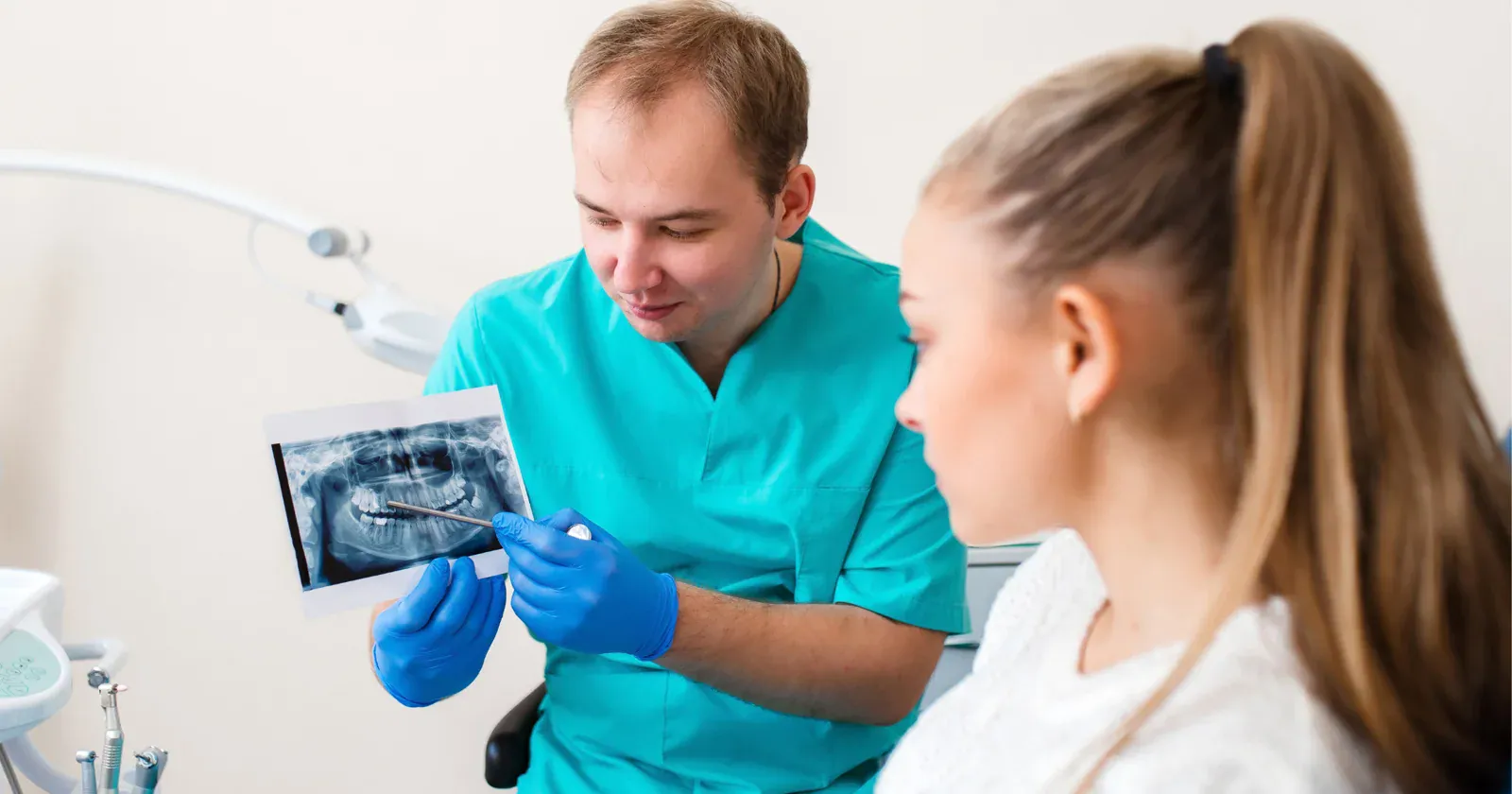
Once you decide to proceed, your dentist takes X-rays, impressions, and photographs of your teeth. This information goes to the dental laboratory so your veneers can be crafted with precision.
Choosing the right shade
Your Prahran dentist will help you select a shade that complements your natural teeth. The goal is a result that looks natural and suits your complexion — a brighter smile that still looks like yours, not an obvious cosmetic contrast.
Impressions
Depending on the technology at your practice, your dentist will take either a digital scan or a traditional mould. Both provide the accurate model the laboratory needs to produce well-fitting veneers.
Tooth Preparation
A small amount of enamel, usually around 0.5 mm, is removed from the front surface of the tooth to prepare for veneer placement. This ensures the veneer sits flush without appearing bulky.
Because enamel doesn't grow back, this step makes the process irreversible. Once teeth are prepared, they'll always require a covering. Your dentist will explain this clearly before any preparation takes place.
Temporary veneers
After preparation, temporaries are placed to keep your teeth safe while the permanent veneers are being created. They won't look or feel exactly like your final result, but they'll let you keep your normal routine. If anything feels off during this period, let your dentist know — minor adjustments may still be possible before the final fitting.
The Laboratory Stage
A dental laboratory crafts your permanent veneers according to the specifications your dentist provided.
Porcelain is the material of choice because it closely mimics the light-reflecting quality of natural enamel, resists staining, and holds up well with proper care.
Each veneer is individually shaped and coloured. The laboratory stage typically takes one to two weeks. Once complete, your dentist reviews them before your final appointment to confirm that the fit, shade, and shape are correct.
The Final Fitting
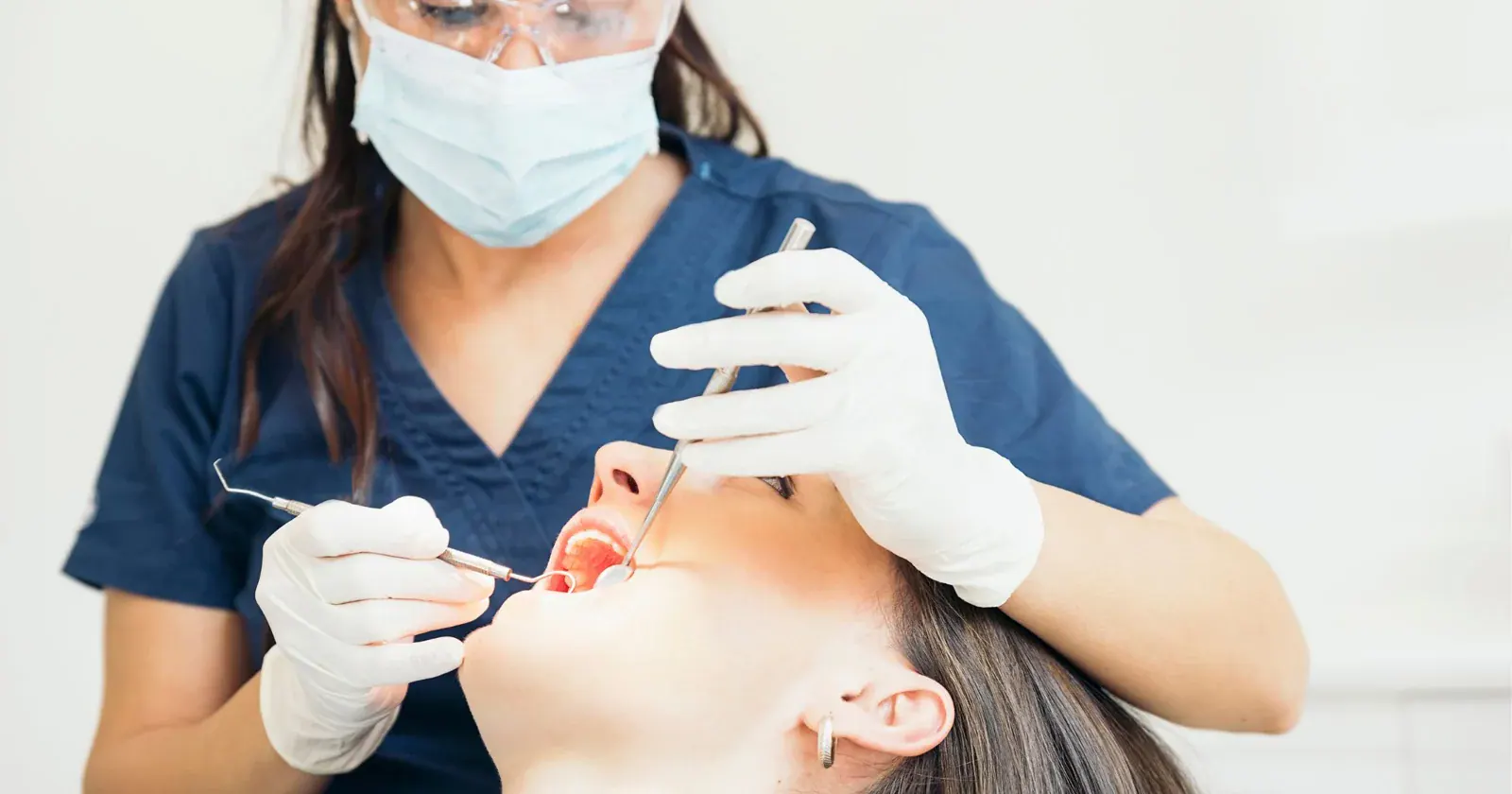
The final appointment is where everything comes together. Temporaries are removed, your teeth are cleaned, and your dentist places each veneer without adhesive first so you can assess the look before anything is permanently bonded.
Once you're satisfied, the bonding process begins:
- The tooth surface is lightly etched to improve adhesion
- Dental adhesive is applied
- Each veneer is positioned and pressed into place
- A curing light sets the adhesive immediately
- Excess cement is removed, and edges are polished
After all veneers are bonded, your dentist checks your bite and makes any fine adjustments needed. Allow a couple of hours for this appointment if multiple veneers are being placed.

After the Fitting
Most patients adapt quickly. Veneers are custom-shaped to your teeth, so they feel natural and shouldn't interfere with your speech or chewing. Some mild sensitivity in the first few days is normal, particularly if preparation work was involved — it typically settles without treatment.
Caring for your veneers
- Brush twice daily with a non-abrasive toothpaste
- Floss daily to keep gum tissue healthy around the veneers
- Attending routine dental visits allows your dentist to assess and maintain your veneers.
- Wear a night guard (occlusal splint) if you grind your teeth
- Avoid habits that stress the veneers — chewing ice, biting nails, or opening packaging with your teeth
Porcelain veneers can endure for many years with regular maintenance. Longevity varies between patients and depends largely on how well they're maintained.
Frequently Asked Questions
Will my veneers look natural?
When carefully planned and well-crafted, yes. The aim is a result that complements your face and looks like your own teeth—refined and consistent, without appearing artificial.
Does the process hurt?
The preparation stage is performed under local anaesthetic so that you won't feel any pain during the appointment. Some sensitivity afterwards is possible, but it is usually mild and short-lived.
Can I whiten my veneers later?
No — porcelain doesn't respond to whitening treatments the way natural enamel does. If whitening is something you want, it's worth doing before your veneers are made so the shade can be matched to your whitened teeth.
How many veneers will I need?
That depends on how many teeth are visible when you smile and what you want to change. Some patients treat one or two teeth; others treat more to achieve a consistent result across their full smile. Your dentist will discuss what makes sense for your goals.
Are veneers permanent?
Because tooth preparation is involved, veneers are considered an irreversible treatment. The enamel removed during preparation means those teeth will always need a covering in the future.
How long do porcelain veneers last?
Porcelain veneers can endure well over ten years with the right maintenance and routine dental checkups. Grinding, poor oral hygiene, and habits that put stress on the teeth can shorten their lifespan.
Porcelain Veneers in Prahran
If you're considering veneers and want straightforward advice on whether they're the right fit for you, our team at Prahran Family Dental is here to help. We see patients from across the area — including Windsor, South Yarra, Toorak, and Armadale — and our focus is always on providing you with clear information so you can make an informed decision.
A consultation is the first step, and it's just a conversation.
Call us on (03) 9533 2288 or book online. Visit us at Shop 7, 180 Commercial Road, Prahran.