
If you've ever avoided smiling because of a dark spot in your teeth, or put off a filling because you didn't want a mouth full of metal, white fillings might be exactly what you've been looking for.
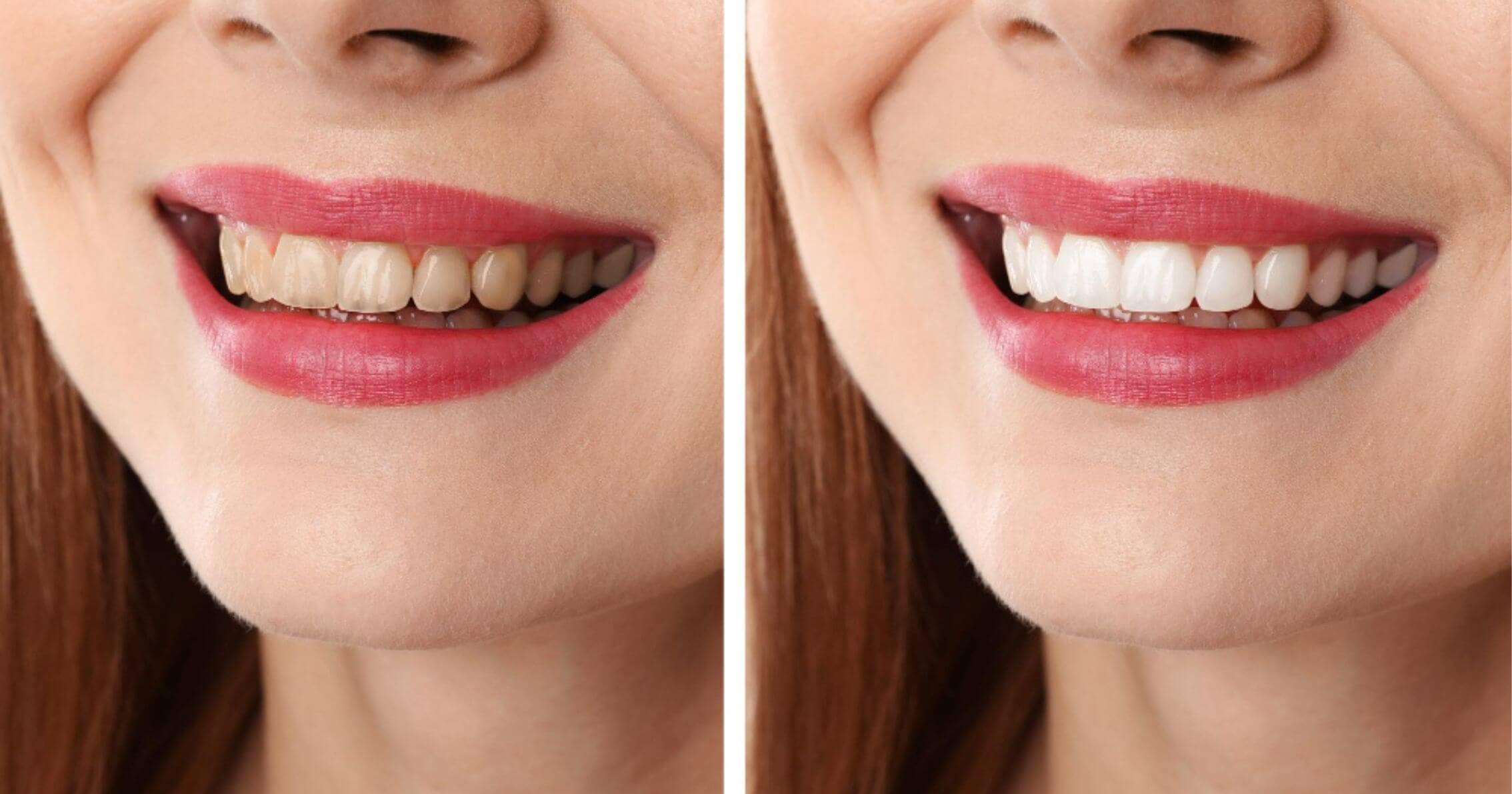
Tooth-coloured fillings have become the standard choice for patients who want decay treated without it showing. They bond directly to your tooth, preserve more of the natural structure, and leave no visible trace once polished.
Here's what white fillings are, how they work, and when your Prahran dentist might recommend one.
What Are White Fillings?
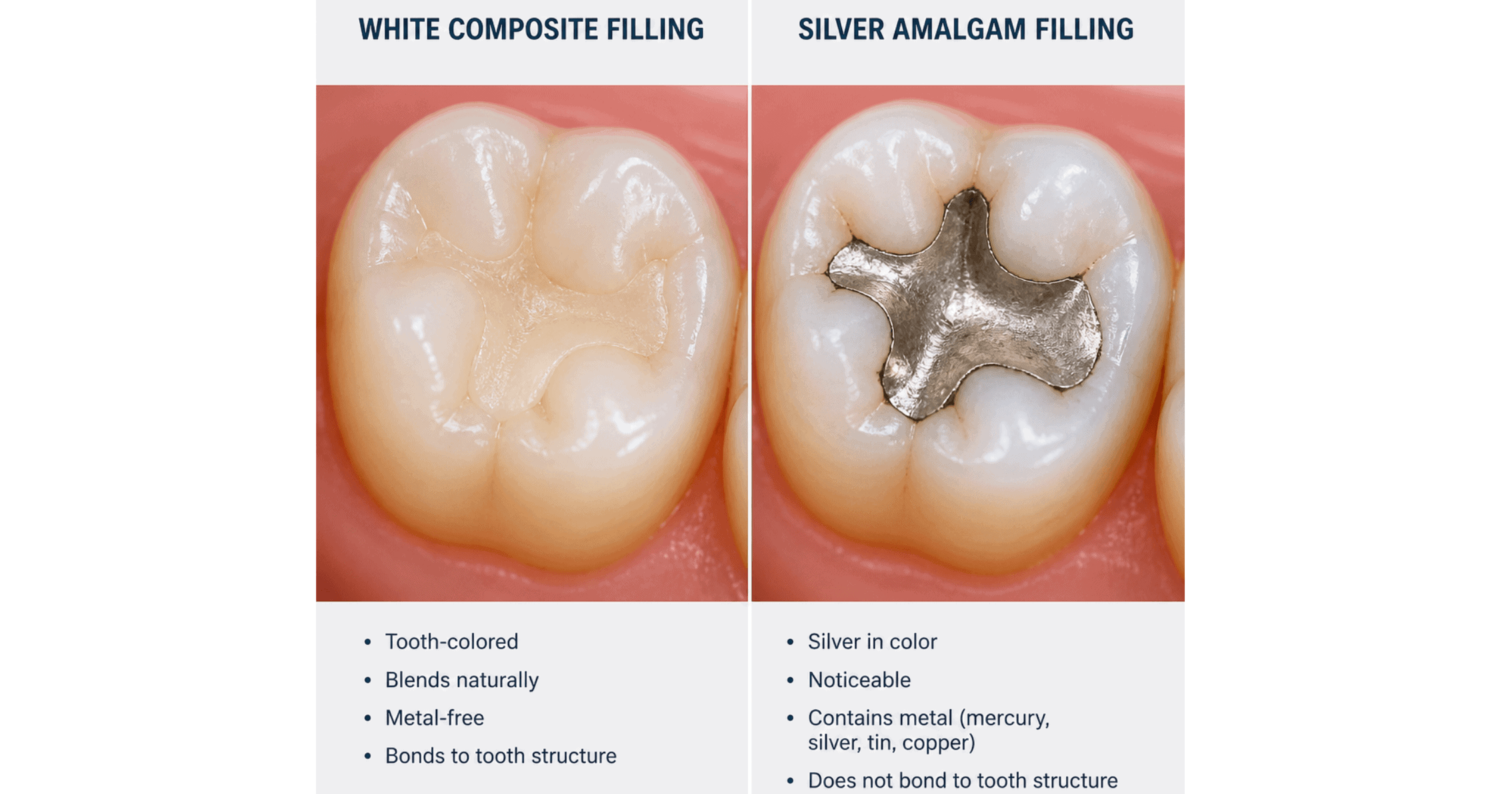
Composite resin restorations are formulated from a polymer-based matrix reinforced with fine glass filler particles. The material is shade-matched to your tooth, so once it's placed and polished, it sits flush with the surrounding enamel and is difficult to spot.
Unlike traditional amalgam fillings, composite resin bonds directly to the tooth. This means less drilling is needed during preparation, and more of your natural tooth is preserved.
The material is applied in layers, carefully shaped, and then hardened with a curing light. The whole process is completed in a single appointment.
How Do They Compare to Amalgam Fillings?
Amalgam has been used in dentistry for over a century. It's durable, which made it the default material for back teeth for a long time. The drawbacks are well known — it's silver-grey in colour, it darkens with age, and placing it requires removing more tooth structure than composite does.
Composite resin addresses most of those concerns:
- Appearance — Matched to your tooth shade, not visible in conversation or photos
- Tooth preservation — Bonds directly to enamel, so preparation is more conservative
- Versatility — Suitable for both front and back teeth
- Repairability — Easier to repair if chipped, without replacing the whole filling
Composite isn't always the right material for every situation. Very large cavities in heavily loaded back teeth may be better served by ceramic or porcelain inlays. Your Prahran dentist will advise based on the size and location of the cavity.
When Would You Need a White Filling?
Treating decay
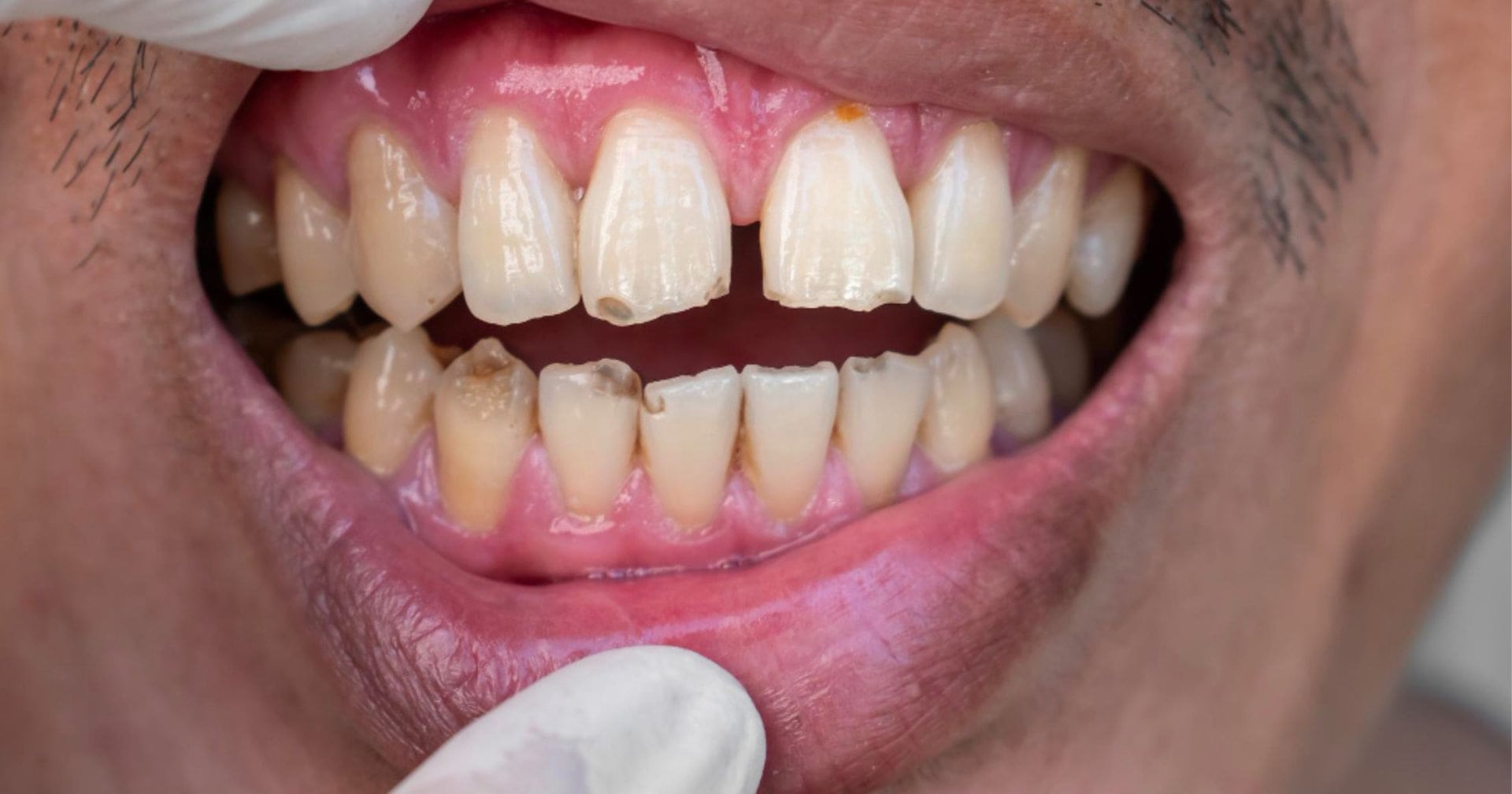
The most common use. Once decay is removed, the composite restores the tooth in a single visit. The earlier it's caught, the smaller the filling needs to be.
Replacing old amalgam fillings
Some patients choose to have existing silver fillings swapped out — either because the old filling has cracked or deteriorated, or because they'd prefer a tooth-coloured result.
Repairing chipped or broken teeth
Composite can rebuild minor chips, particularly on front teeth. The material is sculpted onto the tooth to restore its shape without crowning the whole tooth.
Closing small gaps or reshaping edges
The same material used in white fillings can address small cosmetic concerns, such as slight spacing between front teeth or uneven edges — a process called composite bonding.
What Happens During the Appointment?
White filling appointments typically take 30–60 minutes, depending on the cavity's size and position.
Numbing the area
Local anaesthetic is applied first. Most patients find the treatment comfortable once it takes effect.
Removing decay
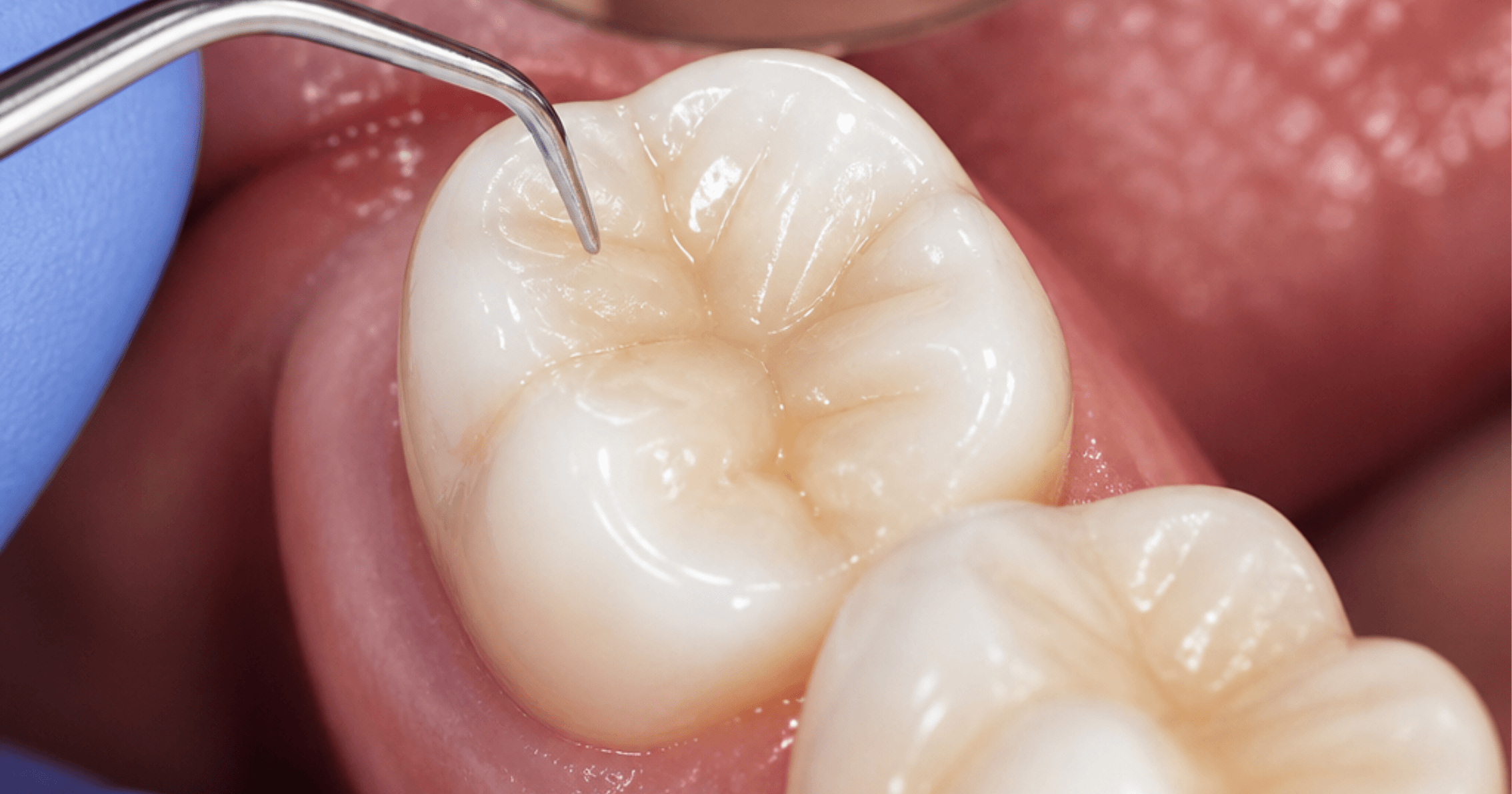
The decayed portion is carefully removed. Because composite bonds to the tooth, preparation is typically more conservative than amalgam placement.
Placing the filling
The filling material is added gradually in thin layers, and each layer is hardened with a curing light before more material is placed.
Shaping and polishing
Once the filling is in place, it is adjusted to match the way your teeth come together and polished until smooth.
Some mild sensitivity in the days after treatment is normal and usually settles on its own.
How Long Do White Fillings Last?
With proper care, composite fillings typically last between 7 and 10 years. Larger fillings in high-pressure areas like molars tend to wear faster than smaller ones on front teeth.
To extend the life of your fillings:
- Brush twice daily with fluoride toothpaste
- Floss daily, especially around restored teeth
- Try not to chew hard items or use your teeth as tools to open packaging.
- Keep up with regular check-ups so wear or gaps are caught early.
Are White Fillings Right for You?
For small to moderate cavities, composite is a reliable, conservative choice. It works well on front teeth, where appearance matters, and holds up on back teeth for everyday chewing.
If you've noticed sensitivity, a dark spot, or a rough edge on a tooth, it's worth having it assessed. Small cavities are simpler to treat than large ones, and waiting rarely helps.
Frequently Asked Questions About White Fillings
Are white fillings as strong as silver fillings?
Composite resin is strong enough for most cavities, including back teeth. For very large restorations in high-pressure areas, your dentist may recommend a more robust option, such as a ceramic inlay — but for most fillings, composite performs well.
Do white fillings hurt when getting them?
The procedure is performed under local anaesthetic, so you shouldn't feel any pain during treatment. Some mild sensitivity afterwards is normal and typically settles within a few days.
Can I eat straight after getting a white filling?
Composite resin hardens immediately under the curing light so that you can eat soon after your appointment. It's worth avoiding very hard or sticky foods for the first 24 hours while the area settles.
Will my health fund cover white fillings?
Coverage will vary based on your health fund and the level of cover included in your policy. It's worth checking with your provider before your appointment so you know what to expect out of pocket.
How can I tell whether I need to replace my old filling?
Signs include visible cracks, dark edges around the filling, sensitivity to temperature or pressure, or a rough surface you can feel with your tongue. Your Prahran dentist can assess this at a routine dental check-up — many issues are caught before they cause symptoms.
White Fillings in Prahran
If you have a cavity that needs treating or an old filling that's seen better days, don't put it off. The sooner it's looked at, the simpler the fix.
Our team at Prahran Family Dental is here to help patients from Prahran, Windsor, South Yarra, Toorak, and Armadale get the care they need — without the stress.
Call us on (03) 9533 2288 or book online.
Visit us at Shop 7, 180 Commercial Road, Prahran.