

A knocked-out tooth. A cracked molar. Pain so sharp you can't sleep. Emergencies involving the teeth don't wait for an opportune time — and knowing what to do in the first few minutes can make a real difference to the outcome.
If you're in Prahran or the surrounding area and you're not sure whether what you're experiencing counts as a dental emergency, this guide will help you make that call quickly and confidently.
What Is a Dental Emergency?
Not every dental problem needs the same-day attention, but some genuinely do. A dental emergency is any situation where waiting risks permanent damage, uncontrolled infection, or severe pain that cannot be managed at home.
Situations that are almost always urgent:
- A tooth that has been completely knocked out
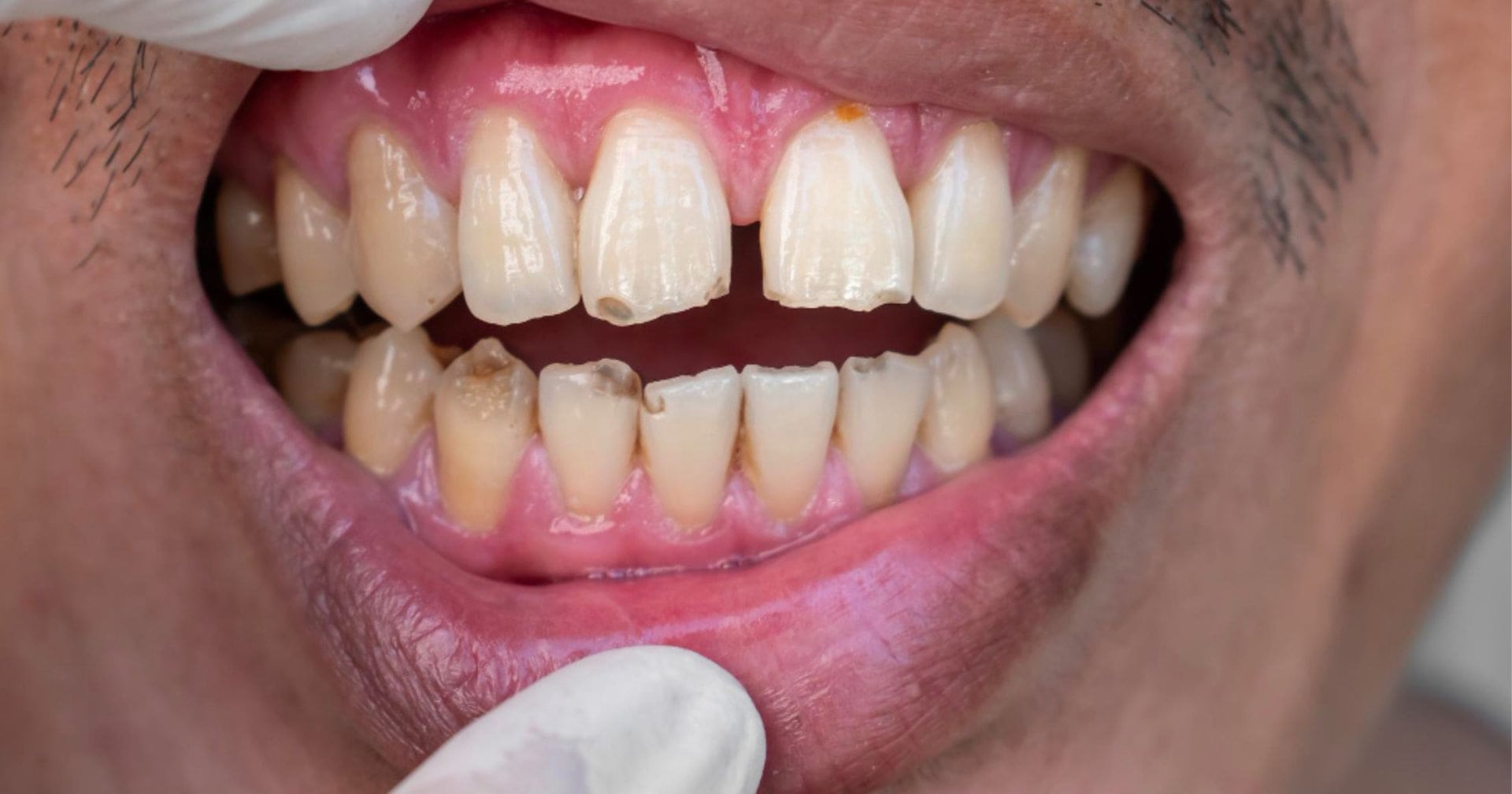
- A fractured, cracked, or broken tooth that is really hurting
- A dental abscess — swelling in the gum or face, often with a bad taste or fever
- Uncontrolled bleeding in the mouth following trauma or an extraction
- A loose or displaced tooth after an injury
- Severe, persistent toothache that isn't relieved by over-the-counter pain relief
Situations that can usually wait a day or two:
- A lost filling with no pain
- A chipped tooth with no sharp edges and no sensitivity
- A lost crown where the underlying tooth isn't painful
- Mild, intermittent sensitivity
The line between urgent and non-urgent isn't always obvious. If you're unsure, call your dentist and describe your symptoms — that's far better than guessing and waiting too long.
Immediate First Aid Steps
What you do in the first few minutes of a dental emergency can genuinely affect treatment outcomes. Here's how to handle the most common situations before you reach the clinic.
Knocked-out tooth
Pick the tooth up by the crown (the visible part), not the root. Rinse it gently with milk or saline—not tap water —and don't scrub it. If you can, place it back in the socket and hold it there gently. If that's not possible, keep it in a small container of milk or between your cheek and gum.
Get to a dentist within 30 to 60 minutes. Time matters significantly here.
Cracked or broken tooth
To clean the region, rinse your mouth with warm water. If there's swelling, apply a cold compress to your face. Avoid eating on that side.
Come in as soon as possible — a crack that reaches the pulp needs prompt treatment.
Dental abscess
Do not try to drain it yourself. To lessen bacteria in the area, gently rinse several times a day with warm salt water. Take over-the-counter pain relief if needed.
See a dentist urgently — a dental infection that spreads to the jaw or neck can become a medical emergency.
Bleeding after an extraction or trauma
For twenty to thirty minutes, bite down hard on a clean piece of gauze or a folded towel. Avoid rinsing vigorously, spitting, or drinking through a straw. If bleeding doesn't slow down, seek care promptly.
Lost filling or crown
Keep the area clean. For a short-term solution, you can use dental cement, available at pharmacies. Avoid chewing on that side. Book an appointment — it doesn't need to be same-day unless you're in pain.
When to Go to Emergency vs Your Regular Dentist
This is one of the most common questions people have when something goes wrong after hours or on a weekend.
Go to a dental clinic that offers emergency or after-hours appointments when:
- You have a knocked-out tooth and need to act within the hour
- You have uncontrolled bleeding
- You have a severe toothache that is disrupting sleep or daily function
- You suspect an abscess is spreading (swelling in the face or neck)
Go to a hospital emergency department when:
- There is significant facial trauma (from an accident, fall, or assault)
- Swelling is affecting your airway or ability to swallow
- You have a high fever alongside dental pain — this may indicate an infection spreading beyond the mouth
- Bleeding cannot be stopped after 30 minutes of consistent pressure
For most dental emergencies — a broken tooth, a lost restoration, an abscess, a severe toothache — a dental clinic equipped for urgent care is the right first call. Hospital emergency departments are not set up for dental treatment; they can manage pain and infection temporarily, but they cannot treat the tooth itself.
At Prahran Family Dental, we see patients with urgent dental needs promptly. If you're not sure where to go, call us first, and we'll advise you.
How to Manage Dental Pain at Home
Pain management while you're waiting to see a dentist is about keeping things stable — not fixing the problem.
Over-the-counter options that can help:
- Ibuprofen (if you can take it) is generally more effective for dental pain than paracetamol because it reduces both pain and inflammation.
- Clove oil applied carefully to the affected area can provide short-term numbing relief — it contains eugenol, which has mild anaesthetic properties.
- Topical anaesthetic gels (available at most pharmacies) can help relieve soft-tissue pain.
Things to avoid:
- Don't place aspirin directly on the gum — it may result in a chemical burn to the tissue.
- Don't eat on the affected side.
- Avoid very hot, very cold, or very sweet foods and drinks — these can aggravate sensitivity.
- Don't ignore worsening pain or new swelling. If symptoms are escalating, that's a sign to seek care sooner rather than later.
Home management is a short-term measure only. It doesn't address the underlying issue — only professional treatment does.
Preventing Common Dental Emergencies
Not every dental emergency is avoidable, but many common ones are.
Wear a mouthguard for contact sports.
During strenuous exercise, the risk of knocked-out or fractured teeth is greatly decreased with a custom-fitted mouthguard. Over-the-counter versions offer some protection, but a custom-fitted option from your dentist provides better coverage and comfort.
Don't use your teeth as tools.
Opening packaging, cracking nuts, or biting nails puts unnecessary force on teeth and can cause fractures — often in teeth that are already weakened by old restorations.
Address dental problems early.
A small cavity treated promptly stays small. Left untreated, it can progress to the pulp, requiring more involved care, or become an emergency when it abscesses.
Attend regular check-ups.
Routine examinations catch things before they become urgent. Cracked teeth, failing restorations, and early infections are often detectable well before they cause pain.
Ask about a night guard if you grind your teeth at night.
Bruxism puts repeated stress on teeth and restorations and can cause fractures over time. A night guard is one of the more straightforward ways to manage this.
Frequently Asked Questions
What if I lose a filling on the weekend?
If there's no pain and no sharp edges, it can usually wait until the next business day. Pick up some dental cement at a pharmacy to temporarily cover the exposed area and avoid chewing on that side. If you develop pain or sensitivity, contact us — we'll advise you on next steps.
Can a cracked tooth wait until Monday?
It depends on the crack. A small chip with no sensitivity can wait. A crack that causes sharp pain when biting, or that is accompanied by swelling, should be seen sooner. When in doubt, call and describe your symptoms — we can help you decide whether it's urgent.
How much does emergency dental treatment cost?
Costs vary depending on what treatment is needed. We'll always explain what's involved and what it costs before starting any work. A percentage of the cost may be reimbursed if your private health insurance covers dental care. We recommend calling ahead so we can give you a realistic idea of what to expect.
What about after hours?
Call our clinic on (03) 9533 2288 for information on urgent appointment availability. We do our best to accommodate patients in genuine pain outside of standard hours where possible.
Is a dental abscess dangerous?
Yes, it can be. A dental abscess is a bacterial infection that, if neglected, may spread to the jaw, neck, or deeper tissues. This is one situation where you should not wait. If you have swelling, fever, or difficulty swallowing along with dental pain, seek urgent care.
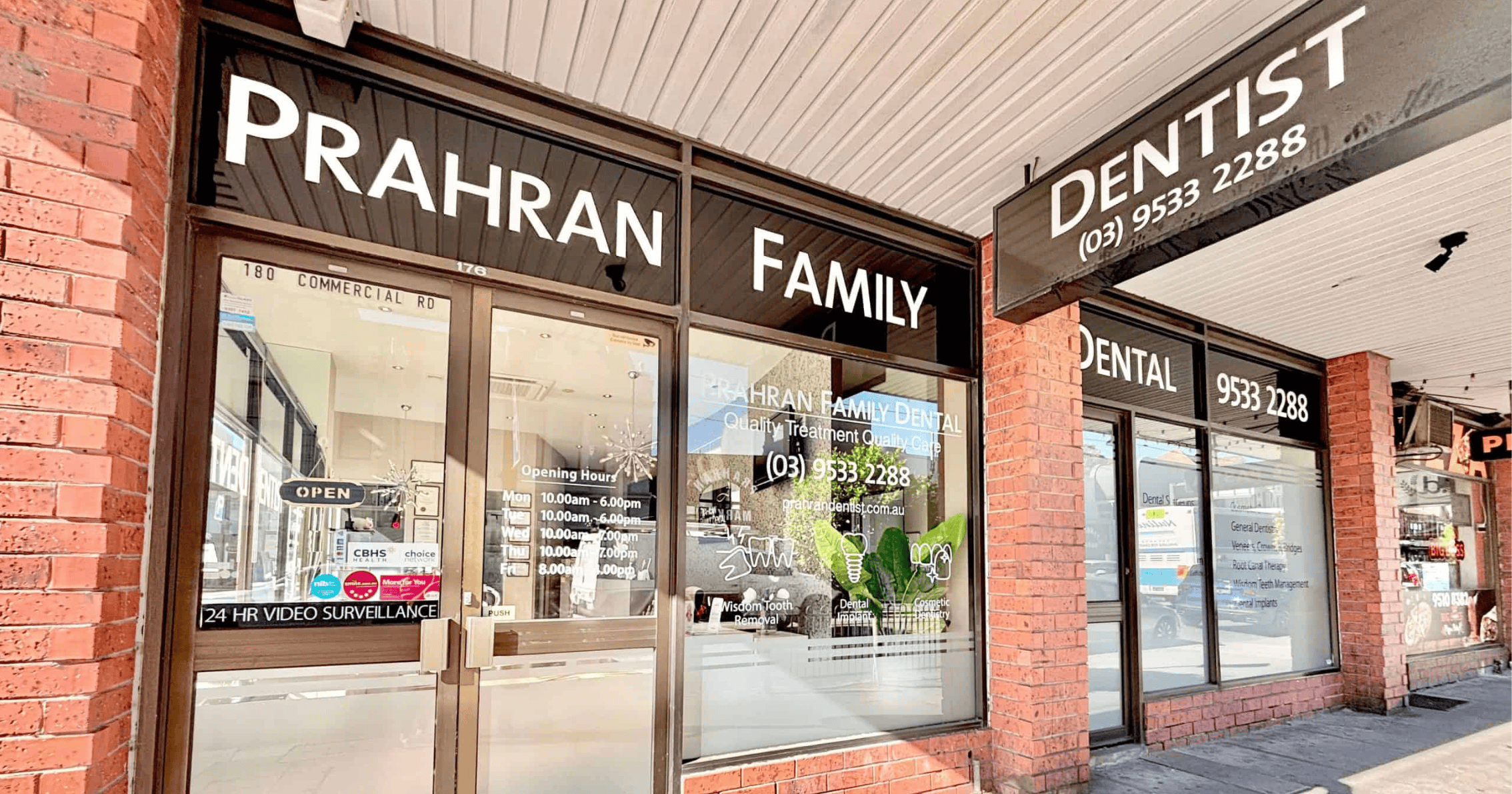
Dental Emergency in Prahran
If you're dealing with a dental emergency in Prahran or nearby suburbs, such as Windsor, South Yarra, Toorak, or Armadale, don't wait to see if it gets better on its own.
Call us at (03) 9533 2288 or book online. You'll find us at Shop 7, 180 Commercial Road, Prahran.
We see patients who need urgent dental care promptly and will always take the time to explain what's happening and your options.